
What You'll Learn:
The benefits of composite deck boards over traditional wood decking include durability, low maintenance, and eco-friendliness.
Key features of leading composite decking brands like Trex, TimberTech, and Fiberon, and what makes them stand out.
Practical tips on choosing, maintaining, and installing composite decking to enhance your outdoor living space effectively.
Are you tired of the constant upkeep of traditional wood decking? If so, you're not alone. Every year, homeowners replace their aging wood decks with a more durable alternative - whether through composite decking or specialized deck waterproofing in Orange County. What makes composite deck boards a game-changer for your outdoor space? Let's explore this transformative material and how it can elevate your deck experience.
Why Choose the Best Composite Decking for Your Home
Composite decking, crafted from a blend of wood fibers and recycled plastic, offers a robust solution for anyone looking to enhance their outdoor living area. Unlike traditional wood decking that can warp, splinter, and require annual staining, composite boards provide a surface that resists fading, scratching, and mold. These capped composite boards often feature a protective wrap that shields all four sides, helping to prevent moisture intrusion and mildew growth. You'll spend less time on maintenance, allowing you to enjoy your deck more.
Understanding Decking Materials: Composite vs. Traditional Wood Decking
When comparing decking materials, it's essential to understand the differences between composite decking and traditional wood decking. Composite decking is made from a combination of recycled plastic and wood fibers, which gives it superior durability and weather resistance. In contrast, traditional wood decking, often made from pressure-treated wood, requires regular maintenance such as sanding, sealing, and painting to protect against rot, decay, and insect damage. Traditional wood decks typically need to be replaced every 10-15 years, even with regular upkeep. Composite boards do not develop knots or require refinishing to maintain their appearance. Choosing composite decking, or partnering with experts for professional decking transformations, means investing in a product that offers long-term value and far less upkeep.
Composite Decking Compare: Performance Showdown
| Feature | Composite Decking | Wood Decking |
|---|---|---|
| Maintenance | Low (cleaning only) | High (staining, sealing) |
| Durability | High (scratch and fade resistant) | Medium (can warp and splinter) |
| Weather Resistance | Excellent (withstands moisture and sun) | Variable (susceptible to rot) |
| Aesthetic Options | Various colors and textures | Natural wood appearance |
This comparison shows that choosing composite isn't just about looks; it's about functionality too. As a homeowner, you deserve a deck that performs beautifully under the elements while looking great.
Factors to Consider When Choosing Composite Deck Boards
Selecting the right composite deck boards involves considering factors such as your local climate, sun exposure, budget, and desired aesthetic. Some composite boards come with enhanced protective caps that resist stains and fading better than those on other boards. Warranty coverage, such as TimberTech's 30-year warranty, can also be a deciding factor. Additionally, the technology behind the boards, such as Fiberon's PermaLife for color durability or MoistureShield's solid-core technology for moisture resistance, plays a crucial role in long-term performance. If you are preparing to build, keep these factors in mind, along with key criteria for hiring a deck builder in Orange County, to ensure a flawless installation.
Top Decking Products: Spotlight on Trex Composite Deck Boards
Trex composite decking is one of the best brands, known for its high-quality deck boards made from 95% recycled materials. Trex decking products feature a protective cap that enhances scratch resistance and fade protection, making them ideal for residential decks exposed to direct sun, even on hot days. If you want decking products that combine eco-friendly materials with lasting beauty, Trex is a leading choice.
Why Trex Decking is a Top Choice for Homeowners
Trex decking stands out as a leader in the composite decking market for its use of 95% recycled materials, including wood fibers, and its innovative protective caps. This brand offers exceptional durability, fade resistance, and a realistic wood-like appearance that can mimic traditional wood species such as ipe. This makes it a reliable and eco-friendly option for enhancing your outdoor space.
Other Leading Composite Decking Brands and Their Unique Features
TimberTech: Offers a 30-year warranty on its composite decking and features a four-sided protective cap that shields against moisture, mold, and mildew. Their decking is made in the USA with up to 85% recycled materials.
Fiberon: Utilizes PermaLife technology, which ensures color runs through the entire board for enhanced durability against scratches and stains.
Zuri: Specializes in ultra-premium decking that replicates exotic hardwoods with three-dimensional texturing, providing a highly realistic wood appearance.
MoistureShield: Known for solid core technology that prevents water damage, making it suitable for high moisture areas like pool decks and lakeside installations.
The Role of Recycled Plastic in Composite Deck Boards
Recycled plastic is a key ingredient in composite deck boards, providing strength and resistance to moisture, rot, and insect damage. By incorporating recycled plastic, composite decking not only supports sustainability but also delivers long-lasting performance with less maintenance-a major reason homeowners are comparing waterproof decking vs. traditional wood decks. The protective wraps around the boards help create a barrier against moisture and mildew, further extending the life of your deck.
Addressing Your Concerns About Composite Decking
Some people might hesitate to switch to composite decking due to perceived downsides. Let's tackle three common objections:
Initial Cost: While composite materials might have a higher upfront cost, their longevity and reduced maintenance expenses lead to savings over time. You're investing in a deck that can last 25-50 years, compared to wood's average lifespan of 10-15 years.
Aesthetic Concerns: Many homeowners worry that composite will look artificial. However, manufacturers have made significant strides in mimicking the appearance of real wood with rich textures and colors. High-quality brands like Trex offer options that look just as good, if not better, than wood, with realistic grain patterns and colors that mimic natural wood species. Composite boards also do not develop knots or require refinishing to maintain their appearance.
Heat Retention: Some are concerned that composite decking can get hot under direct sunlight, especially on hot days. While darker colors can absorb heat, lighter colors can help mitigate this. Additionally, applying practical tips to protect your deck from the sun and choosing capped composite boards designed to reflect heat can make your surface much more comfortable to walk on barefoot.
Composite Decking Maintenance Tips
Composite decking requires less maintenance than wood but still benefits from regular cleaning. Most composite decks need periodic cleaning to remove dirt and grime. Soap and water are sufficient for regular cleaning, while TimberTech recommends using their specific DeckCleanerTM for best results. Composite decking does not require sanding, staining, or sealing. Modern capped composite boards also resist staining from common spills, such as ketchup, mustard, and wine. When selecting the best composite decking, consider durability, warranty, and brand reputation to ensure long-lasting performance and aesthetic appeal.
Durability and Warranty of Composite Deck Boards
Composite boards maintain their uniform color and finish without graying or weathering, thanks to an engineered outer shell that resists UV rays. Many composite decking products come with manufacturer guarantees covering stains and fading for 25 to 50 years, one of the many major benefits of composite decking. For example, TimberTech offers 30- and 25-year warranties against fading and staining. This durability reduces maintenance while offering exceptional long-term performance compared to traditional wood decking.
Easy Steps to Install Your Composite Decking
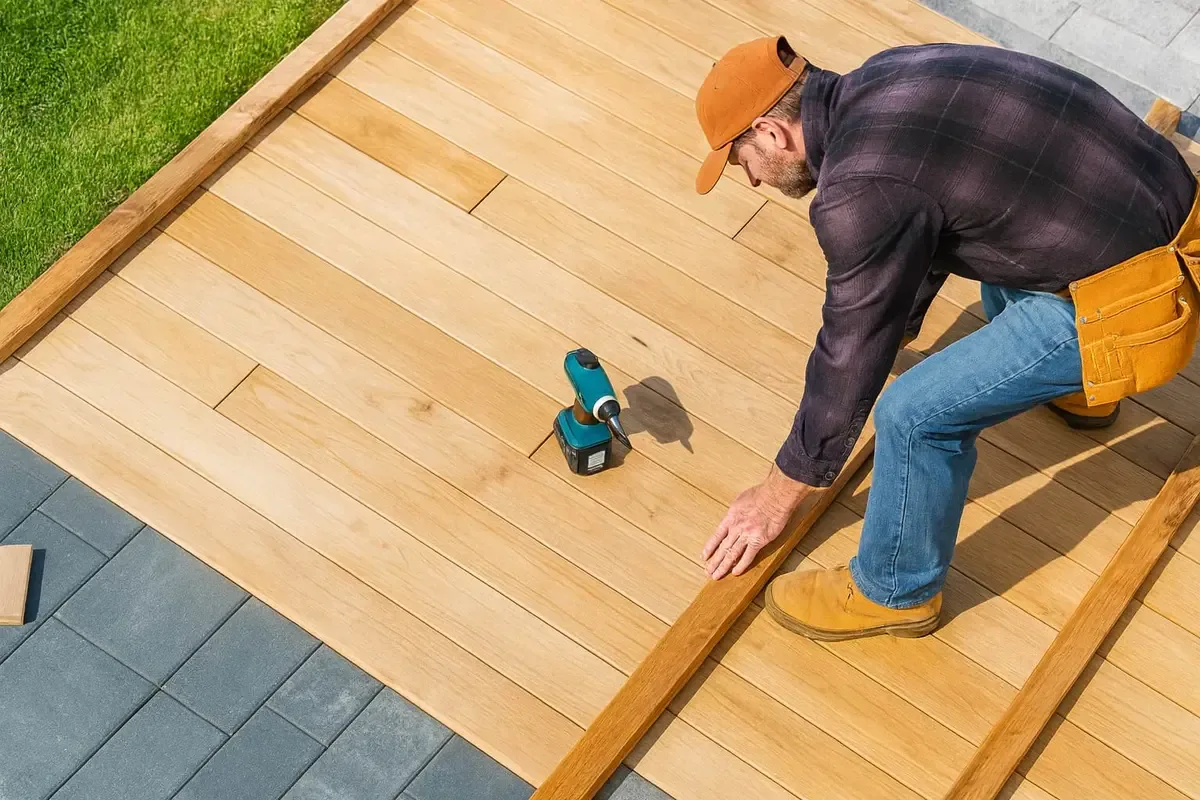
Installing composite decking is a straightforward process, especially with hidden fasteners that provide a clean finish. Here's a simple guide:
Gather your tools: You'll need a saw, drill, and measuring tape.
Prepare your structure: Ensure your frame is sturdy and properly spaced for the boards. Pay attention to angles during installation to ensure proper drainage and stability.
Install the boards: Use hidden fasteners for a seamless look. Follow the manufacturer's guidelines for proper spacing and installation.
After installation, you can expect a deck that not only enhances your outdoor aesthetics but also provides lasting durability.
Transform Your Deck Today
Every day you wait to upgrade to composite decking is a day spent worrying about repairs, maintenance, and safety hazards of older wood decks. By making the switch, you improve your deck's aesthetics, functionality, and safety. The time is now to take action. If you want to skip the trial and error, contact us today for a consultation. We can help you select the best composite products for your needs.
Frequently Asked Questions
What are the advantages of composite decking over wood?
Composite decking is low-maintenance, highly durable, and resistant to fading, mildew, and rot, making it a superior choice compared to traditional wood. It offers an array of aesthetic options while eliminating the need for annual sanding, staining, or sealing.
How does composite decking perform in different weather conditions?
Composite decking is engineered to withstand a range of weather conditions, including heavy rain and direct sunlight. It resists moisture and doesn't warp or splinter like wood, making it ideal for any climate. The four sides of capped composite decking help protect against moisture intrusion from all angles.
Can I install composite decking myself?
Yes, composite decking can be installed as a DIY project if you have basic carpentry skills. However, hiring professionals ensures a flawless finish and adherence to manufacturer guidelines, especially when working with angles and hidden fasteners to create a clean, professional look.