
What You’ll Learn:
- The key differences between traditional wood decks and modern waterproof decking systems include maintenance, durability, and cost considerations.
- How waterproof decking systems create dry, usable space underneath your deck, effectively doubling your outdoor living area.
- Investing in a waterproof decking system offers long-term value, enhanced aesthetics, and a low-maintenance outdoor lifestyle.
Why Traditional Wood Decking Lets Homeowners Down
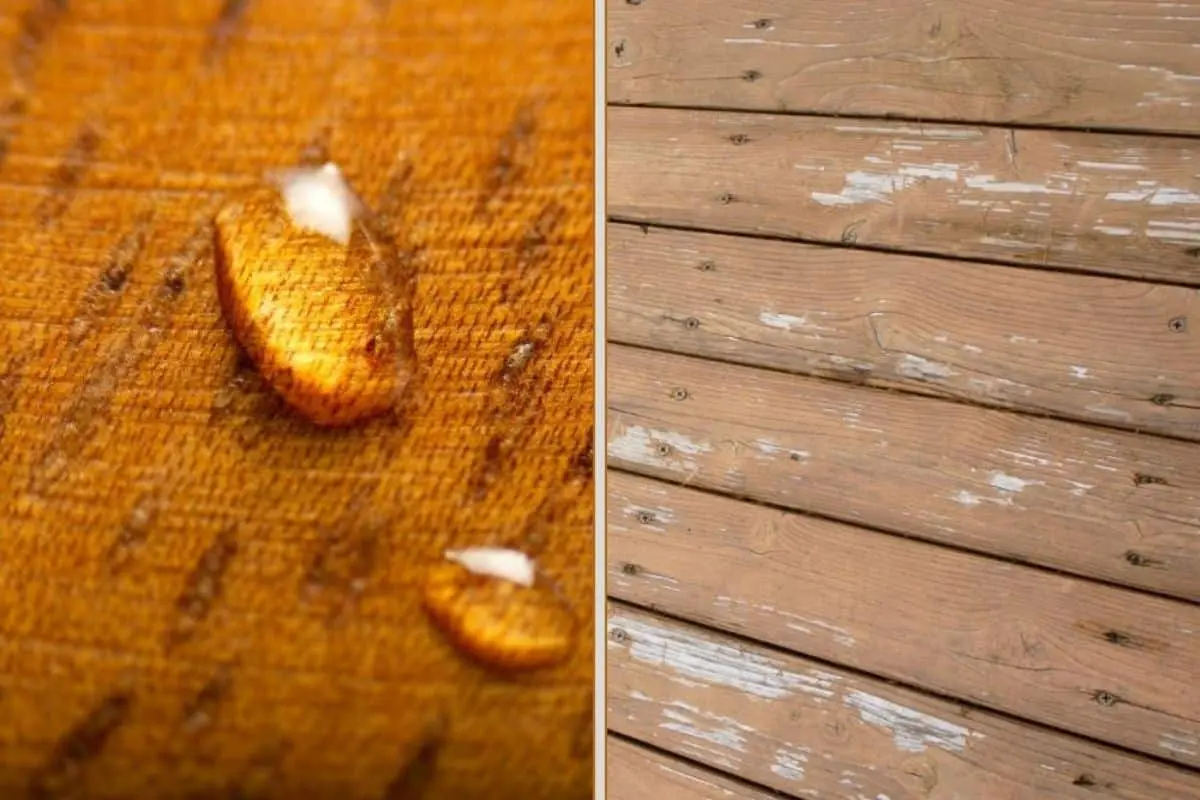
Your deck probably disappoints you. It promised relaxing weekends and sunset dinners, but delivered a part-time job you never wanted: the endless cycle of pressure washing, staining, and sealing. Every homeowner with a traditional wood decking knows the feeling: the sinking sensation when you spot the first signs of rot, the frustration of warped boards, and the constant worry about splinters under bare feet. That’s precisely why more homeowners are turning to deck waterproofing in Orange County, CA, to protect their investment and reclaim their outdoor space.
What if your deck could be more than a high-maintenance platform? What if it could also be a roof, creating an arid, usable space underneath? This is not a fantasy. This is the fundamental difference between clinging to the past with most wood and embracing the future with a waterproof decking system. The choice you make is not just about materials; it is about reclaiming your time and doubling your outdoor living space.
The Hidden Costs of Most Wood Decking
There is a certain romance to a brand-new wood deck, is there not? The smell of fresh-cut cedar and the natural elegance of the grain make it a classic for a reason. But that honeymoon phase is short-lived. The moment it’s built, the clock starts ticking. Your beautiful wood decking begins its slow, inevitable battle against the elements.
Even premium cedar or expensive hardwoods fight a losing war. Heavy rain is the obvious enemy, seeping into the boards and joists, creating a perfect environment for mold, mildew, and eventually, rot. Then comes the sun, baking out moisture, causing warped boards and ugly cracks. Before you know it, your weekend is spent on your knees, applying another coat of stain or sealant, trying to protect your investment, or researching how to choose the right deck repair contractor in Orange County, CA, just to keep the damage from getting worse. This is not just maintenance; it is a defensive crouch against nature.
The cost of inaction is steep. You don’t just lose your weekends to painting and staining; you lose the structural integrity of your deck. Small spots of rot you ignore become a reason to replace entire sections. The money you thought you saved on the initial purchase gets eaten up by annual cans of sealant, replacement boards, and the nagging feeling that you’ll have to replace the entire 300-square-foot structure in 10 to 15 years anyway.
How Waterproof Decking Systems Actually Work
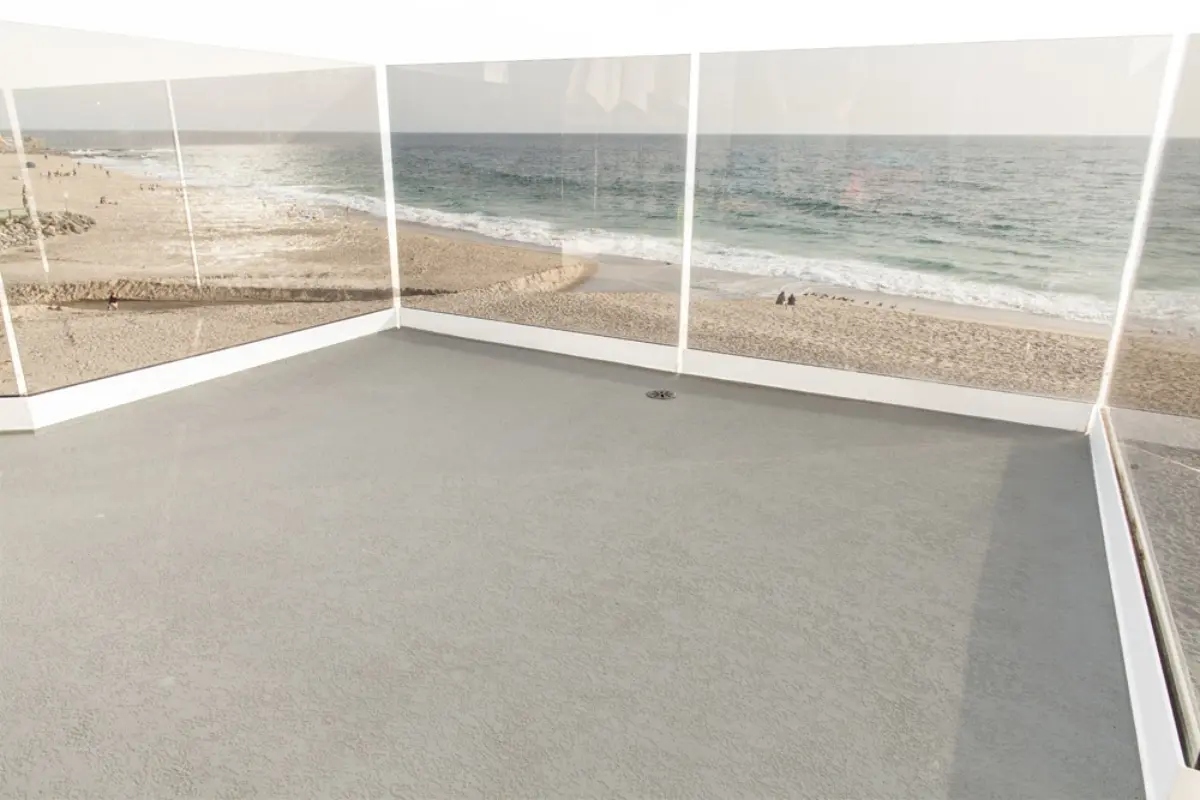
First, let us clear up a common misconception. When we talk about “waterproof wood decking,” we are not usually talking about magically waterproofed wood. We are talking about sophisticated waterproof decking systems. These engineered marvels are designed not just to shed water but to channel it away, creating a 100% dry space underneath.
These systems often use advanced materials like PVC (polyvinyl chloride) or high-quality composite decking. Unlike wood, these materials are non-porous. They won’t absorb water, so they cannot rot, warp, or grow mold—especially when compared to traditional builds, where homeowners must figure out how to waterproof plywood decking just to keep moisture at bay. While some composite deck boards are made from a mix of recycled materials like plastic, wood flour, or rice hulls, premium PVC decking products are the gold standard for creating a truly waterproof surface.
The magic is not just in the boards themselves; it is in the system. The deck boards interlock or are installed with a hidden gutter system that captures every drop of rain that falls on the surface. This water is then directed to the deck edge and safely away from your house, protecting the support structure and foundation for decades.
Why Composite Decking Replaced Traditional Wood
Composite decking has revolutionized outdoor living by combining recycled materials such as wood flour, rice hulls, and plastics to create durable decking material that resists rot, mold, and insect damage. Unlike traditional wood, composite decking requires far less maintenance—no staining, sealing, or painting—making it an affordable and practical choice for busy homeowners.
Moreover, composite decking often features a traction finish that enhances safety by providing a slip-resistant surface, critical during heavy rain or wet conditions. Its engineered design makes for easy installation and long-lasting performance, making it a popular option for those seeking a beautiful, low-maintenance deck, especially when comparing waterproof decking vs traditional wood decks to understand the real-world differences in durability, maintenance, and long-term value.
The Importance of a Proper Deck Edge in Waterproof Wood Decking
A well-designed deck edge is critical to the performance of waterproof decking systems. It serves as the final exit point for water collected by the surface, ensuring water flows safely away from your home. This prevents water from pooling or seeping into the structure, which can cause damage over time. Proper deck edge installation protects joists and other support elements, extending the life of your deck.
How Waterproof Decking Doubles Your Outdoor Living Space
Here is where the conversation shifts from simply choosing a decking material to fundamentally changing your home. With a traditional deck, the space underneath is damp, muddy, and useless. But with a waterproof decking system, that same space transforms into a dry, functional, and valuable extension of your home.
Consider this: That dark, drippy no-man’s-land becomes:
- An all-weather patio: Imagine a comfortable outdoor living room, complete with couches, a TV, and lighting, that you can use even during light rain. A door from a walkout basement can now lead to an excellent new room.
- Secure, dry storage: A perfect spot for bikes, lawn equipment, and patio furniture, freeing up valuable garage space.
- An outdoor kitchen or bar: You can safely install electrical outlets and lighting, creating the ultimate entertainment zone for summer parties.
This is not just a bonus feature; it is the primary reason many savvy homeowners choose waterproof decking. You are not just building a deck; you are building a roof for your new patio underneath. You are literally adding a new room to your house without the cost of a complete addition. This is precisely why many homeowners explore DECKS system solutions for low-maintenance outdoor living. This is how you double your outdoor living without doubling your footprint.
Example: The Millers’ Home Transformation
The Millers of Scottsdale, Arizona, had a beautiful 400-square-foot second-story deck off their kitchen, but the space underneath was a muddy mess. They dreamed of having one of those fantastic covered patios, but couldn’t justify the $40,000+ cost of a complete addition. By replacing their old, rotting wood deck with a PVC waterproof decking system, they got two spaces for the price of one. The top is now a gorgeous, low-maintenance deck, and the 400-square-foot patio underneath is their family’s favorite spot, complete with an outdoor sectional and a projector for movie nights, all for an investment of $22,000.
Note: Prices are just examples and may not reflect actual costs.
Why Waterproof Decking Wins in Heavy Rain
Heavy rain can wreak havoc on traditional wood decks, causing warping, mold, and structural damage over time—issues that are often highlighted when homeowners research wood vs composite deck pros, cons, and how to choose. Waterproof decking systems are engineered to shed water efficiently, keeping your deck surface and the space beneath it completely dry, even during intense storms. This durability ensures your outdoor living area remains safe, functional, and beautiful regardless of the weather.
Upfront Cost vs. Lifetime Value
When you are at the purchase stage, numbers matter. Let us break down how these options stack up. Those who delay a decision often get stuck on the upfront cost, failing to see the long-term financial picture. Do not make that mistake.
Objection 1: “But waterproof decking is so much more expensive!”
Consider total cost, not just upfront price. Traditional wood decks require annual staining, sealing, and repairs, costing $300-$800 per year for a 300 sq ft deck. Over 15 years, that’s $4,500-$12,000 plus initial build cost. Waterproof PVC decking is a one-time investment with 30+ years of low maintenance and adds usable outdoor space.
Note: Prices are just examples and may not reflect actual costs.
Objection 2: “The installation sounds complicated and risky.”
Professional installation ensures every component works together to keep the space underneath completely dry. Experts set the correct slope, flashing, and deck edge for leak-proof results backed by a warranty. DIY or inexperienced installers risk costly leaks.
Objection 3: “It just won’t have the natural elegance of real wood.”
Modern waterproof decking features advanced materials with embossed wood grain and multi-tonal colors mimicking hardwoods like Brazilian Ipe and oak. It offers natural elegance with a traction finish for safety, and it stays cooler in direct sunlight than darker boards.
The Benefits of a Traction Finish in Waterproof Decking
A traction finish features a textured surface that increases grip, making your deck safer, especially when wet from rain or heavy dew. This feature is significant for families with children or elderly members, as it reduces the risk of slips and falls. Many waterproof decking systems incorporate a traction finish to combine safety with style.
Are You Building a Deck or an Outdoor Lifestyle?
This is where you have a choice to make. You can continue down the path of traditional wood, accepting that your weekends will be spent working on your deck instead of enjoying it. You can take it that the space underneath will forever be a damp, wasted area. That is the cost of inaction, measured in lost time, extra money, and missed opportunities for enjoyment.
Alternatively, you can choose something else. You can invest in a durable decking system that gives you your weekends back. A system that not only provides a beautiful, low-maintenance surface for decades but also creates a whole new outdoor room for your family. This choice is about moving from a mindset of constant repair to one of permanent enjoyment.
The best way to see how this could transform your home is to see the materials firsthand. Schedule your free, no-obligation deck consultation today and discover the possibilities for your home.
Common Questions About Waterproof Decks
How much weight can a waterproof deck support?
A professionally installed waterproof deck is engineered to meet or exceed all local building codes for structural load. The deck’s support structure, not the surface material, primarily determines its weight capacity. A properly built system will be as strong and safe as any traditional deck, efficiently supporting patio furniture, grills, and gatherings of 10-15 people.
Does waterproof decking get hot in direct sunlight?
All decking materials will absorb some heat from the sun. However, modern PVC decking products, especially in lighter colors and with advanced surface technologies, are engineered to dissipate heat more effectively than many dark composite or wood boards. This makes them more comfortable for bare feet on hot days compared to older generations of plastic decking.
What happens to the water with a waterproof decking system?
The system is ingeniously designed with an integrated channel or subtle slope (typically 1/4 inch per foot) that collects rainwater and melted snow. This water is then efficiently directed to the edge of the deck and funneled into a gutter or downspout, moving it safely away from your home’s foundation and keeping the space underneath completely dry and usable.
Is composite decking the same as PVC waterproof decking?
No, they are different, though often confused. While some composite boards are marketed as water-resistant, many contain organic materials like wood flour, which can still absorb moisture over time, leading to issues like mold or rot. True waterproof systems, like those we recommend, are typically made from solid PVC, which contains no organic material and is impervious to water, making it the superior choice for creating an arid and maintenance-free space underneath.
Your Next Step to a Low-Maintenance Deck and a New Outdoor Room
You have seen the comparison. You understand the long-term cost of a traditional wood deck versus the freedom and added value of a waterproof system. The choice is not about which material is cheaper today; it is about which system gives you the lifestyle you want for the next 30 years.
Stop patching, painting, and staining. Start living. When you schedule your consultation, the process is transparent and straightforward:
- We will find a time that works for you, often within 3-5 business days.
- One of our experienced decking experts will visit your home, listen to your vision, and accurately measure the space for a precise quote.
- We will show you actual samples of durable decking materials so you can feel the quality and see the stunning wood grain options in person.
- You will receive a precise, detailed quote with no hidden fees or pressure, allowing you to make an informed decision.
This is your chance to solve the deck problem for good and gain an excellent new outdoor room in the process. Schedule your free deck consultation now and let us design the outdoor space you actually get to enjoy, rain or shine.