
What You’ll Learn:
- Essential waterproof deck solutions that protect your outdoor space from moisture damage and extend the lifespan of your deck.
- Different waterproofing options, including membranes, coatings, composite decking, and their installation essentials for durable, safe, and attractive decks.
- Practical tips, common concerns addressed, and real-life success stories to help you make informed decisions for your waterproof deck project.
Waterproof Deck Solutions That Protect Your Outdoor Space
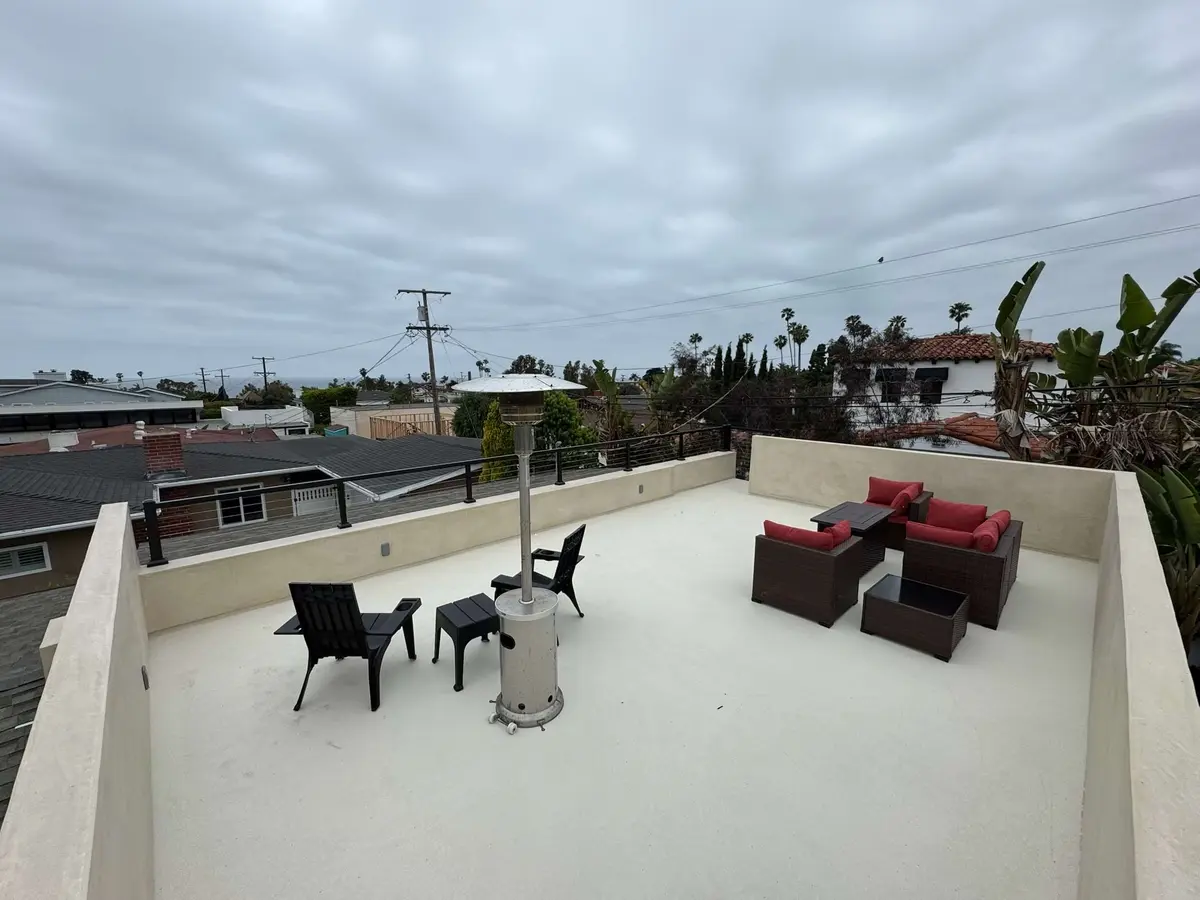
Picture this: a stunning outdoor space where you can unwind, entertain, and enjoy nature’s beauty without worrying about elements ruining your investment. If you’re considering a waterproof deck, you’re not just enhancing your home; you’re ensuring lasting protection against moisture damage, mold, and structural decay. Learn more about deck waterproofing services in Orange County as we explore the best waterproof deck solutions that will keep your outdoor oasis safe and sound.
The Cost of Waiting and Consequences of Neglecting Waterproofing
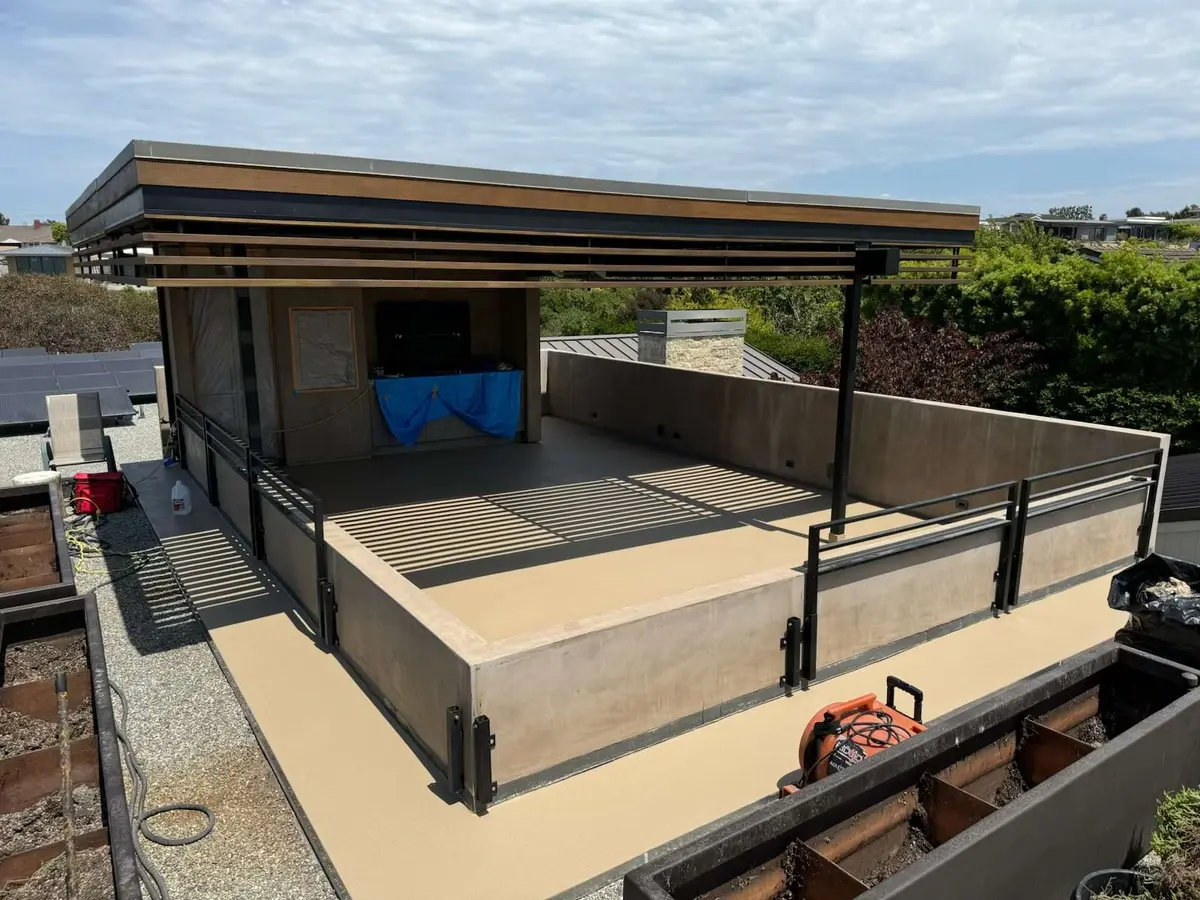
Ignoring the need for a waterproof deck can lead to substantial costs over time. Water damage can compromise your deck’s frame and substructure, leading to costly repairs or a complete replacement. According to industry estimates, homeowners can spend anywhere from $5,000 to $20,000 correcting water-related damage. Plus, waiting to waterproof your deck means sacrificing outdoor enjoyment during rainy days, limiting your space for gatherings and relaxation. Protecting the deck edge and ensuring proper drainage through gutters and slopes can prevent water pooling and damage to the deck substructure.
Why Waterproofing Matters for Your Deck
Waterproofing doesn’t just protect your investment; it significantly increases the durability and lifespan of your deck. By applying a waterproof membrane to your deck surface, you create a barrier that prevents moisture from penetrating the underlying structure. For a deeper understanding, review this complete guide to professional waterproofing methods for homeowners and builders. This is especially critical for areas exposed to heavy rain or snow, where water can pool and seep into cracks. A well-protected deck can last 20 years or more, while unprotected surfaces may only last half that long. Waterproof decks also help maintain a dry space below, protecting it from moisture-related issues and creating usable storage or living areas for equipment or containers.
Understanding Deck Components, Including Frame, Surface, and Edge
A solid waterproof deck starts with understanding its key components. The deck frame provides the structural support, typically made of beams and joists, while the deck surface consists of the deck boards you walk on. The deck edge is where water often accumulates, so proper sealing and drainage at this point are crucial to prevent water infiltration. Ensuring each component is well-protected enhances the overall durability and safety of your deck.
Deck Boards
Deck boards are the visible surface layer of your deck and the primary contact point for foot traffic. They must be durable, water-resistant, and properly installed to prevent water from seeping underneath. Using materials such as composite decking or treated wood can help maintain the integrity of the deck boards over time.
Deck Surface
The deck surface includes the deck boards and any coatings or finishes applied to them. A waterproof deck surface is essential for repelling water, reducing slip hazards, and protecting the underlying structure. To improve safety, learn how to get a slip-resistant pool deck surface. Applying a waterproof membrane beneath the surface or using waterproof coatings on top can significantly enhance the deck’s resistance to moisture.
Deck Edge
The deck edge is a critical area for waterproofing, as water tends to collect and infiltrate there. Proper sealing, flashing, and drainage systems at the deck edge prevent water from damaging the deck frame and substructure. Incorporating gutters or directing water away from the deck edge helps maintain a dry and stable structure.
Deck Frame
The deck frame supports the deck surface and is typically constructed from beams and joists. Protecting the deck frame from moisture is vital to prevent rot and structural failure. Waterproof membranes and proper drainage help keep the frame dry, extending the life of your deck.
Deck Substructure
The deck substructure includes all supporting elements beneath the deck frame, such as footings and posts. A waterproof deck protects the substructure by preventing water infiltration, which can cause decay and compromise the deck’s stability. Creating a dry space underneath the deck enhances usability and protects stored items from moisture damage.
Waterproof Membrane
A waterproof membrane is a flexible barrier installed beneath the deck surface or coating to prevent water penetration. To compare options, learn how waterproof membranes compare to deck sealants. These membranes can be applied to wood, concrete, or plywood and are often overlapped and sealed with double-sided seam tape to create a continuous waterproof barrier. They are essential for protecting the deck frame and substructure from moisture damage.
Heavy Rain
Decks exposed to heavy rain require robust waterproofing solutions to withstand constant moisture and prevent water pooling. Properly installed waterproof membranes, coatings, and drainage systems ensure that water is directed away from the deck surface and substructure, preserving the deck’s integrity and safety.
How to Choose the Right Waterproofing Solution
Several options are available on the market for waterproof deck solutions, each with unique benefits:
- Waterproof Membranes – These flexible sheets can be installed beneath the deck surface, diverting any water that seeps through the deck surface away from the structure. They can be applied to various surfaces, including wood, concrete, and plywood, making them suitable for a range of deck installations. For larger areas, multiple sections of waterproof membrane can be overlapped and joined using double-sided seam tape to create a reliable waterproof barrier.
- Coatings – Waterproof coatings can be applied to the surface of your deck boards. They form a protective layer that repels water and can also provide a slip-resistant finish, improving safety on walking surfaces. Application methods include brush, roller, or spray, and a minimum of two coats is often recommended for added protection. Topcoat options can further enhance durability and resistance to elements, while painting and staining can be combined with coatings for aesthetic appeal.
- Composite Decking – Made from a blend of wood and plastic, composite decking is inherently moisture-resistant, making it an excellent choice for waterproofing. Some composite decking products, like DuxxBak, are engineered to be watertight, with interlocking designs that direct water toward the deck edge and away from the deck substructure. Materials such as capped composite decking combine wood fibers and plastics with a protective polymer shell that prevents rot, decay, and moisture damage. PVC decking, which contains no organic fillers, is 100% waterproof and immune to rot and mold.
- Tile and Stone – For a more luxurious feel, waterproof tiles or stones can be installed on deck surfaces, providing both aesthetic appeal and durability against water damage. When used with a waterproof membrane underneath, they create a solid, durable finished product.
Installation Essentials for a Waterproof Deck
Proper installation is key to the success of any waterproof deck project. Essential tools include a measuring tape, circular saw, and power drill. The process often involves securing posts and building a deck frame with beams and joists to support the decking surface. Waterproof decks can be installed over existing structures such as plywood or concrete surfaces, and attention to detail in sealing around posts, railings, planter boxes, and corners ensures maximum protection. Learn how waterproof deck coating protects against mold and mildew as part of a complete system. The decking boards are laid carefully to create a durable, waterproof surface. Incorporating a slope in the deck surface helps direct water to drains or gutters, preventing pooling and potential damage. The deck frame connects all components, providing solid support for the finished deck.
Surface Types and Their Impact on Waterproofing
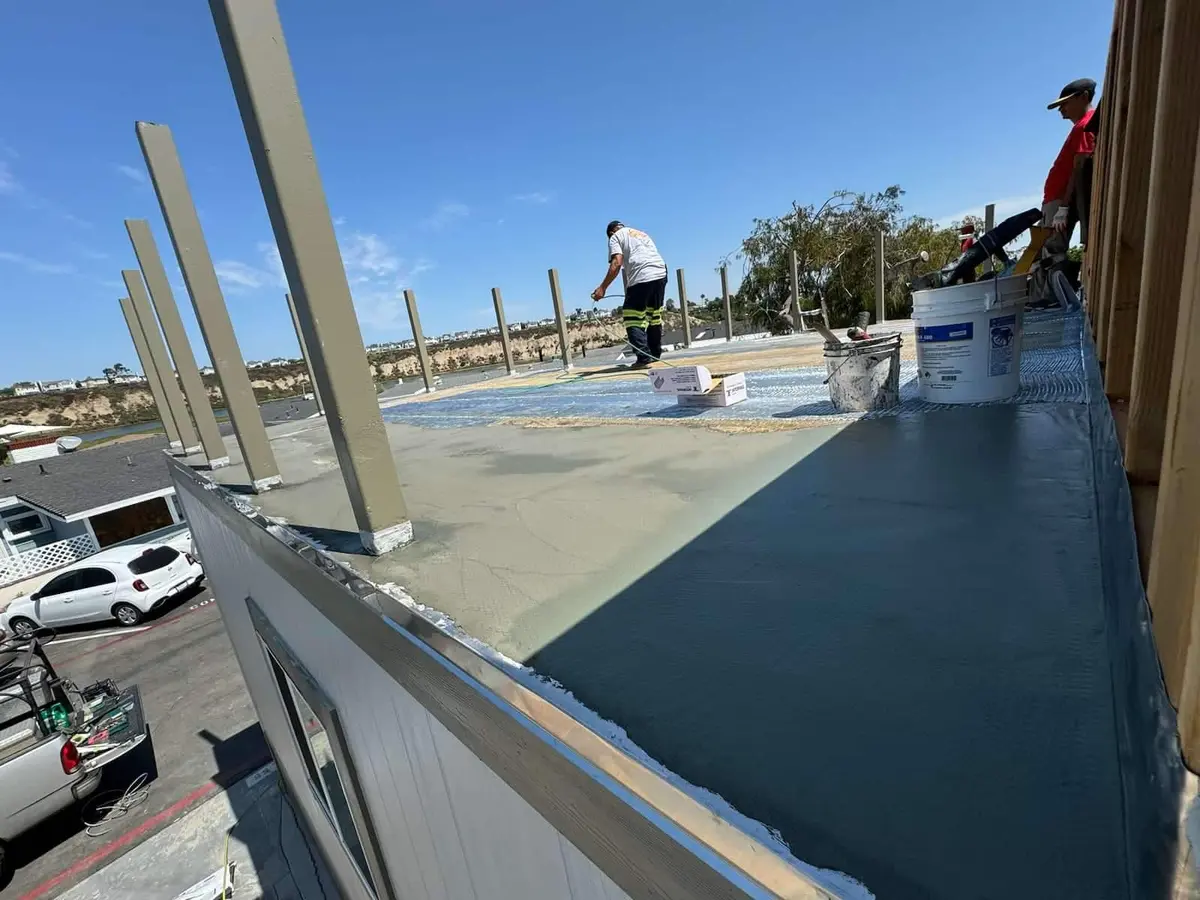
The choice of surface type significantly affects the waterproofing approach. Wood decks require membranes or coatings to prevent moisture damage, while composite decking offers inherent water resistance. Concrete or tiled surfaces often need waterproof membranes beneath to prevent water penetration and damage. Selecting the right surface type based on climate and usage ensures optimal waterproofing performance and longevity.
Creating Usable Dry Space Underneath Your Deck
One of the key benefits of waterproof deck solutions is creating a dry space beneath the deck. This dry space can serve as additional storage or living areas protected from moisture, ideal for storing equipment or outdoor furniture. Proper waterproofing and drainage prevent water from seeping into the space underneath, enhancing the functionality and value of your outdoor area.
Waterproof Decks for Pool Decks and High-Moisture Areas
Pool decks and other areas exposed to heavy moisture require specialized waterproofing to withstand constant wet conditions. To explore material options, review these waterproof decking materials. Waterproof membranes and durable composite materials are excellent choices for these spaces, providing slip resistance and protection against mold and mildew. Proper waterproofing ensures safety and longevity, even in heavy rain or when splashed by pool water.
Success Stories Transforming Outdoor Spaces
Let’s take a look at two homeowners who transformed their outdoor spaces with effective waterproof deck solutions:
- Case Study 1 – The Johnsons in Seattle opted for a waterproof membrane beneath their deck. After a particularly wet winter, their deck remained dry, and maintenance costs dropped by 40% the following year. Their deck installation included careful sealing of corners and edges to prevent leaks and protect the deck substructure.
- Case Study 2 – The Smiths in Florida chose composite decking for their pool deck. Not only did they eliminate the risk of rot and mold, but they also increased their property value by 15% due to the enhanced outdoor appeal. The composite material was solid and thick, providing excellent durability against the heat and moisture common in their climate.
Addressing Common Concerns about Waterproof Decks
You might have some reservations about investing in a waterproof deck. Let’s tackle three common objections:
- Objection 1 – “Isn’t waterproofing too expensive?” While upfront costs can vary, consider the long-term savings on repairs and maintenance. The investment pays off by extending the life of your deck and protecting its substructure from water infiltration damage.
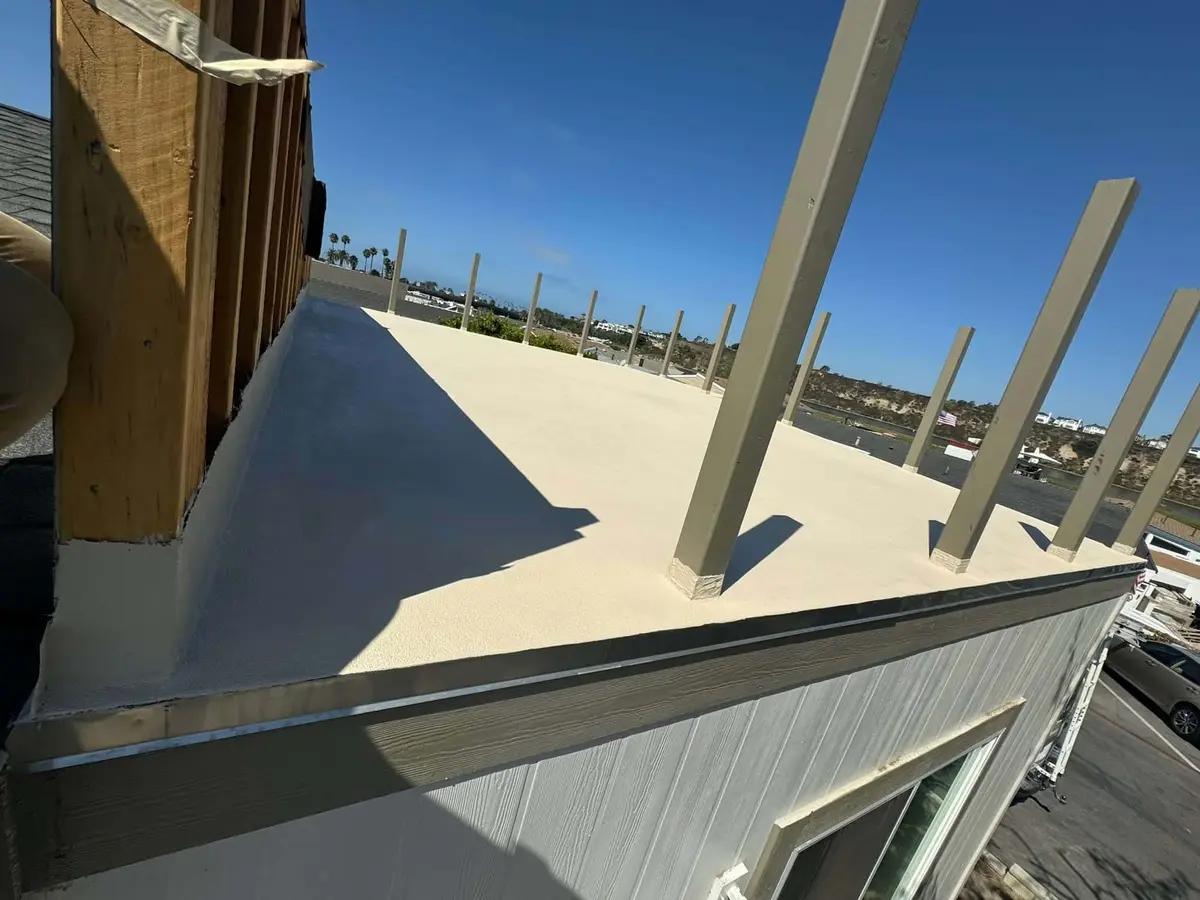
- Objection 2 – “Will it change the look of my deck?” Advanced waterproofing solutions now come in various styles and colors. You can have a durable, beautiful deck without compromising aesthetics. Additionally, waterproof coatings are available in brush or spray application, providing a smooth, attractive finish.
- Objection 3 – “What if I have a small budget?” Many waterproofing options are scalable. You can start with a basic coating and upgrade later as your budget allows. Proper installation methods, including sealing around posts, railings, and planter boxes, ensure the best protection even with simpler systems.
Next Steps to Get Started on Your Waterproof Deck
Taking action toward a waterproof deck is easier than you might think. Start by assessing your current deck condition and identifying areas that show signs of wear or moisture damage. Then, consider your options based on your budget and aesthetic preferences.
If you want to apply this without trial and error, contact us today for personalized recommendations and technical support to ensure your project is a success. Proper installation, including attention to slope and drainage to direct water away from the house, balconies, roof decks, and deck substructure, is essential for long-lasting results.
FAQs About Deck Waterproofing
What is the best waterproofing solution for a wooden deck?
The most effective waterproofing solution for a wooden deck is typically a high-quality waterproof membrane or protective coating. These systems create a barrier against moisture, helping prevent water damage and extending the life of the deck. Proper sealing around edges, corners, posts, and railings is essential for maximum protection.
How often should I waterproof my deck?
Most decks should be re-treated every two to five years, depending on the waterproofing product used and the environmental conditions. Regular maintenance helps protect against moisture intrusion, mildew growth, and weather-related wear.
Can I waterproof my deck myself?
Yes, many homeowners successfully waterproof their decks using DIY products and kits. However, larger decks or projects involving complex features such as railings, planter boxes, or multiple surface types may benefit from professional installation to ensure proper coverage and long-term performance.
Do I need to wait for dry weather to waterproof my deck?
Yes. Waterproofing products should be applied only during dry weather conditions. Moisture can interfere with adhesion and curing, reducing effectiveness and increasing the risk of future mold, mildew, or water damage.
Is composite decking really waterproof?
Composite decking is highly resistant to moisture and offers better protection against water damage than traditional wood. While standard composite boards are not completely waterproof, many advanced systems are engineered to provide enhanced water resistance and help protect the deck structure beneath.