
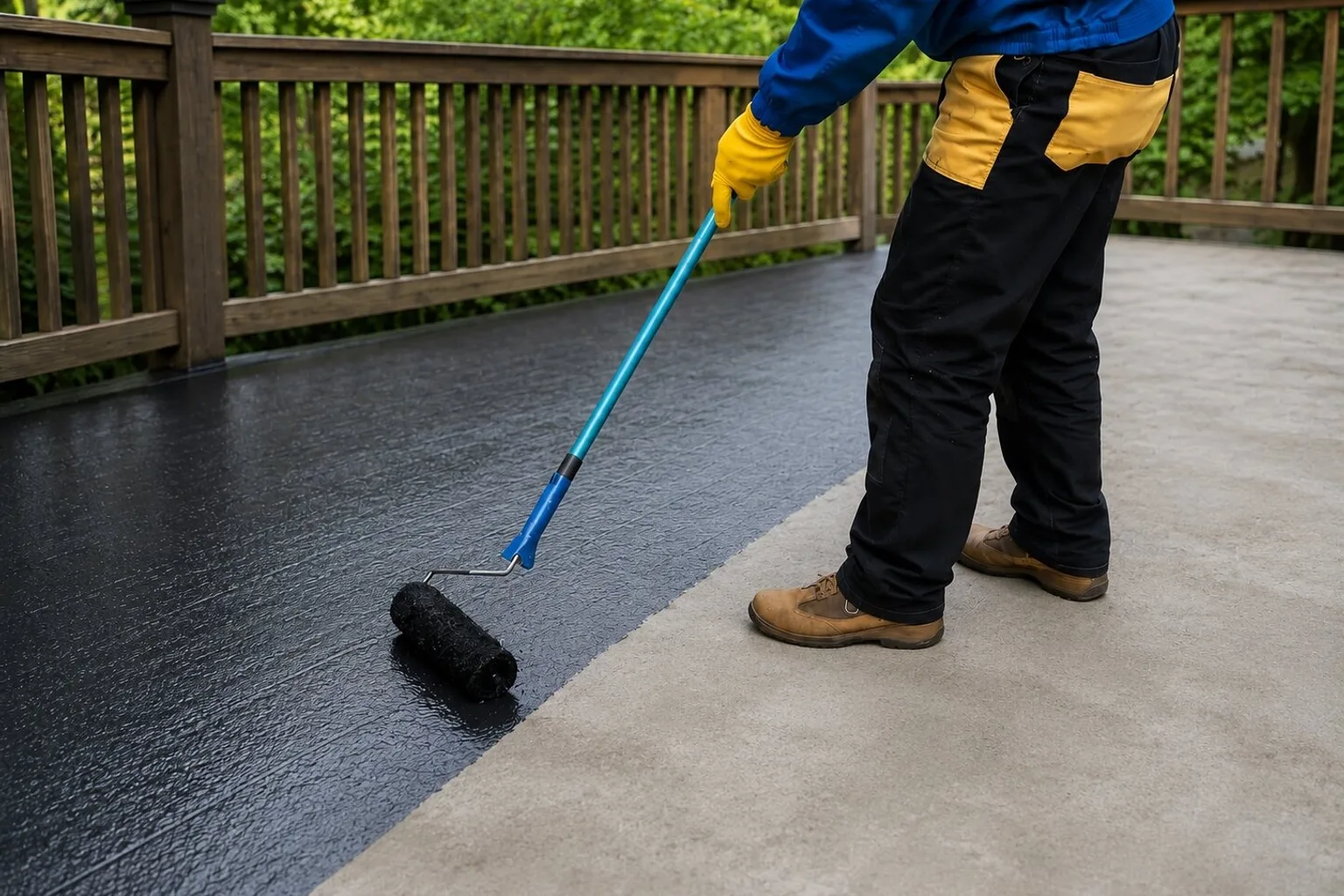
What You’ll Learn:
The importance of sealing your deck to protect against moisture, UV damage, and weather-related deterioration.
How to choose the right sealant or stain based on wood type, appearance preferences, and protection needs.
Step-by-step guidance on preparing, sealing, and maintaining your deck for long-lasting durability and beauty.
Your wooden deck is one of the most inviting spaces in your home, but without proper care, it can quickly turn from a beautiful outdoor retreat into a warped, splintered eyesore. Did you know untreated wood can lose its structural integrity in as little as three years? The elements, from relentless rain to scorching UV rays, are constant foes. But fear not: whether you need professional deck waterproofing in Orange County, CA, or want to take on a DIY project, sealing your deck gives it the protection it desperately needs. This guide walks you through everything you need to know to seal your deck for maximum weather resilience.
The Cost of Inaction
Imagine stepping onto your backyard deck after a rainy season and finding it covered in mold and mildew, with dry wood fibers peeling away underfoot. Ignoring the need for sealing risks more than aesthetics; it jeopardizes your deck's longevity. Unsealed surfaces suffer severe moisture damage, whether wood or tile, leading to costly repairs or even total replacement. In fact, solutions like professional tile deck waterproofing are essential to prevent water intrusion before structural damage sets in. Homeowners can lose an average of $5,000 to $10,000 in property value due to neglected outdoor spaces. Is that a cost you’re willing to bear?
Note: Prices are just examples and may not reflect actual costs.
Why Sealing Is Crucial for Your Deck
Sealing your deck isn’t just about keeping it looking new; it’s about preserving its structural integrity. A good deck sealant protects against moisture, preventing water from soaking into the wood. This is particularly crucial for pressure-treated lumber, which, while more resistant to decay, still needs a protective layer to fight off the elements. Sealing also offers UV protection, helping maintain the wood's natural beauty and preventing it from graying under sun exposure. Properly prepped wood and the right sealant can prevent graying and damage caused by UV exposure and heavy foot traffic. Additionally, sealing minimizes splintering and slippery surfaces, making your deck safer for everyday use.
Understanding Deck Sealant, Deck Sealer, and Deck Stain
Choosing the right product for your deck is essential. A deck sealant or deck sealer primarily protects the wood by repelling moisture and preventing rot. In contrast, a deck stain adds pigment to enhance the wood’s color and provide additional UV protection. Clear deck sealers preserve the natural wood-grain look but offer limited UV protection. Understanding these differences helps you choose the best option for your deck's surface and desired look.
Semi-transparent stains balance color and UV blocking while letting the natural wood grain show through. Solid stains provide strong UV protection but hide the wood grain. High-quality deck sealers typically dry clear, showing the wood's natural grain, but they usually need reapplication every 12 to 18 months. When applied correctly, stains generally last longer than sealers. Solid stains generally last 3 to 5 years and act like paint, protecting against UV damage.
Pressure-Treated Wood: Essential Care and Sealing Tips
Pressure-treated lumber is widely used for decks because it resists rot and insects. However, it still requires proper sealing to prevent moisture absorption and weather damage. Let pressure-treated lumber dry thoroughly before sealing to ensure the sealant adheres well and provides long-lasting protection against the elements.
Finding the Right Sealant for Your Deck
With so many options, how do you choose the right sealant for your deck? Start by assessing your wood species and age; for instance, knowing when to seal a new cedar deck is crucial, as fresh lumber needs proper drying time before applying any product. Marine-grade sealers are perfect for decks that frequently face rain or moisture. If you prefer a natural look, consider using a clear deck sealer or a lightly pigmented stain that enhances the wood's natural color without masking its beauty.
When selecting a sealant, look for those that offer extra UV protection and moisture resistance. A semi-transparent stain strikes the right balance between aesthetics and durability, while penetrating sealers soak deep into the wood fibers for maximum protection.
Deck Sealing: Essential Protection for Your Outdoor Space
Deck sealing is a crucial step in preserving the beauty and durability of your outdoor wood surfaces. By forming a protective barrier against moisture, UV rays, and weather damage, deck sealing helps extend the lifespan of your deck while maintaining its natural appearance. Regular deck sealing also prevents costly repairs and keeps your outdoor space safe and inviting for years to come.
Clear Deck Sealer: Benefits and Considerations
Clear deck sealers are popular for maintaining the natural appearance of your deck boards while providing essential moisture protection. They dry clear and let the wood grain show through, but they offer limited UV protection, so regular maintenance and reapplication are necessary to keep your deck looking its best. Oil-based sealers typically provide better penetration than water-based options, though water-based sealers dry faster and are easier to clean up.
Transparent deck sealers usually contain 30-40% solid content, providing moderate water repellency but limited UV protection. Defy Extreme Clear is a top-rated clear wood sealer known for its deep penetration and mildew resistance.
Pressure-Treated Lumber: Special Considerations
Pressure-treated wood is a common deck choice because it resists rot and insects. However, this wood type still requires proper sealing to prevent moisture absorption and weather damage. Because pressure-treated wood often retains moisture after installation, allow it to dry thoroughly before sealing to ensure a proper seal and long-lasting protection. Beyond regular maintenance, investing in professional decking can significantly improve durability and overall home value. Most decks need resealing every 1 to 3 years to maintain their protection.
Deck Boards and Surface Preparation
Clean the deck surface and remove dirt, mildew, and old finishes before applying any sealant. Pay close attention to the deck boards; repair or replace damaged or warped boards to ensure a smooth, even surface. Proper preparation allows the sealant to penetrate deeply and form an effective moisture barrier.
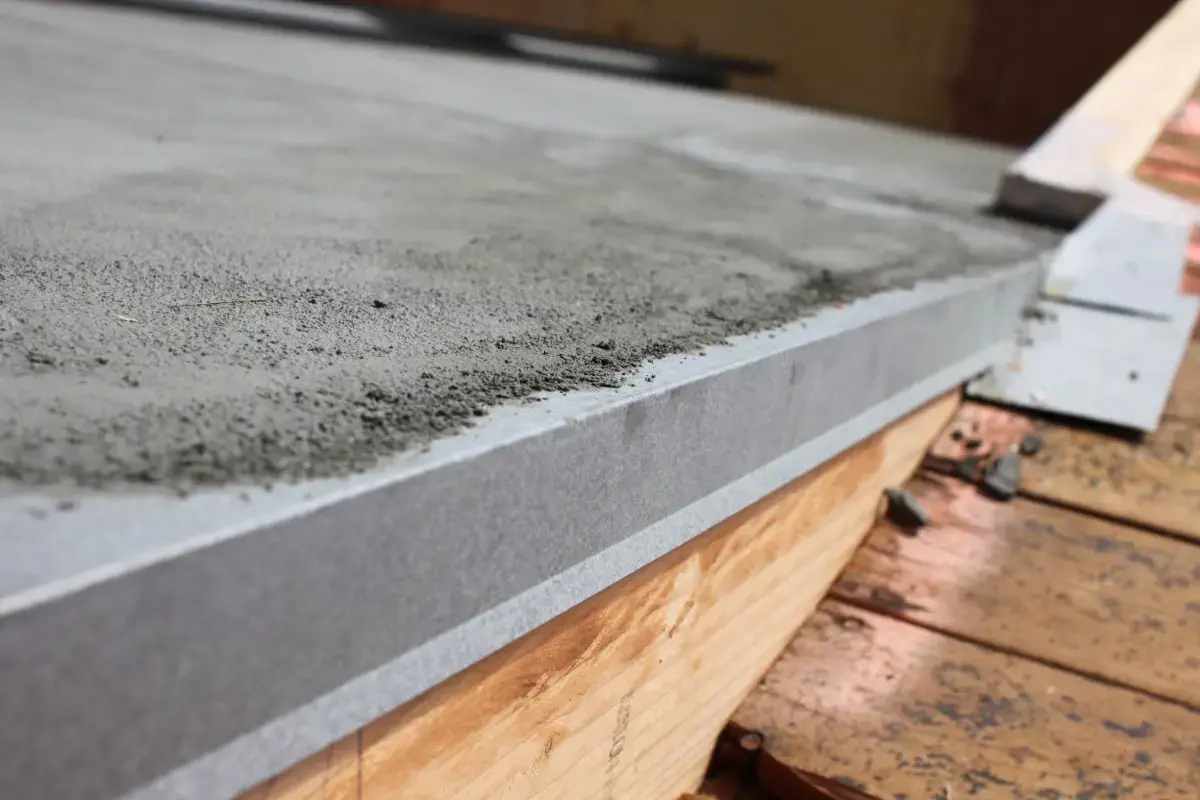
Preparing the Deck's Surface for Optimal Sealant Adhesion
A clean, well-prepared deck surface is essential for a long-lasting seal. Removing dirt, mildew, and old finishes helps the sealant penetrate deeply and adhere properly, providing superior protection against moisture and UV damage. Regular surface maintenance also helps maintain your deck's beauty and durability over time. Using a power washer is one of the best ways to thoroughly clean the deck before sealing.
Ensuring a Proper Seal for Long-Lasting Protection
Achieving a proper seal involves applying the right amount of sealant evenly across the deck's surface and allowing adequate drying time. Reliable waterproof deck solutions prevent water from penetrating the wood and causing structural damage. Regular inspections and timely reapplication help maintain the seal's integrity, keeping your deck protected against moisture and UV damage. Deck Sealing: Step-by-Step Preparation
Clean the deck thoroughly using a deck cleaner and a power washer to remove dirt, mold, and mildew.
Let the wood dry completely; this can take 1 to 2 days, depending on weather conditions.
Inspect the deck boards for needed repairs, such as replacing damaged boards or filling cracks.
Use drop cloths to protect surrounding areas from overspray, including plants and siding.
Sealing a New Deck: Timing and Tips
If you have a new wood deck, wait before sealing to ensure the sealant absorbs properly. Most new decks, especially those made of pressure-treated lumber, should be allowed to dry for at least 30 days. Applying sealant too soon can prevent a proper seal and reduce its effectiveness.
Pressure-treated lumber often requires 2 to 6 months to dry before sealing, while cedar and redwood can be sealed within 1 to 2 weeks. Use the water drop test: sprinkle a few drops of water on the top layer of the wood. If the water beads up, the wood is still too wet to seal. If the water soaks in, the wood is ready. This method helps ensure you seal only dry wood.
Avoid sealing in direct sunlight to prevent uneven drying and blotchy finishes. The manufacturer also recommends covering plants and taping off siding before sealing to protect surrounding areas.
Apply the Sealant Like a Pro
Once prepared, apply the sealant. Use a brush or roller for even coverage, applying in overlapping strokes to avoid streaks. For best results, consult resources like the Thompsons WaterSeal deck protection almanac and work in the early morning or late afternoon to prevent the sealant from drying too quickly. Aim for a thorough application that repels water and forms water beads on the surface, indicating a proper seal.
Many homeowners make the mistake of applying too little sealant. Instead, make sure the sealant penetrates the wood properly. A second coat may be necessary, especially for high-traffic areas that face extreme heat and sun exposure.
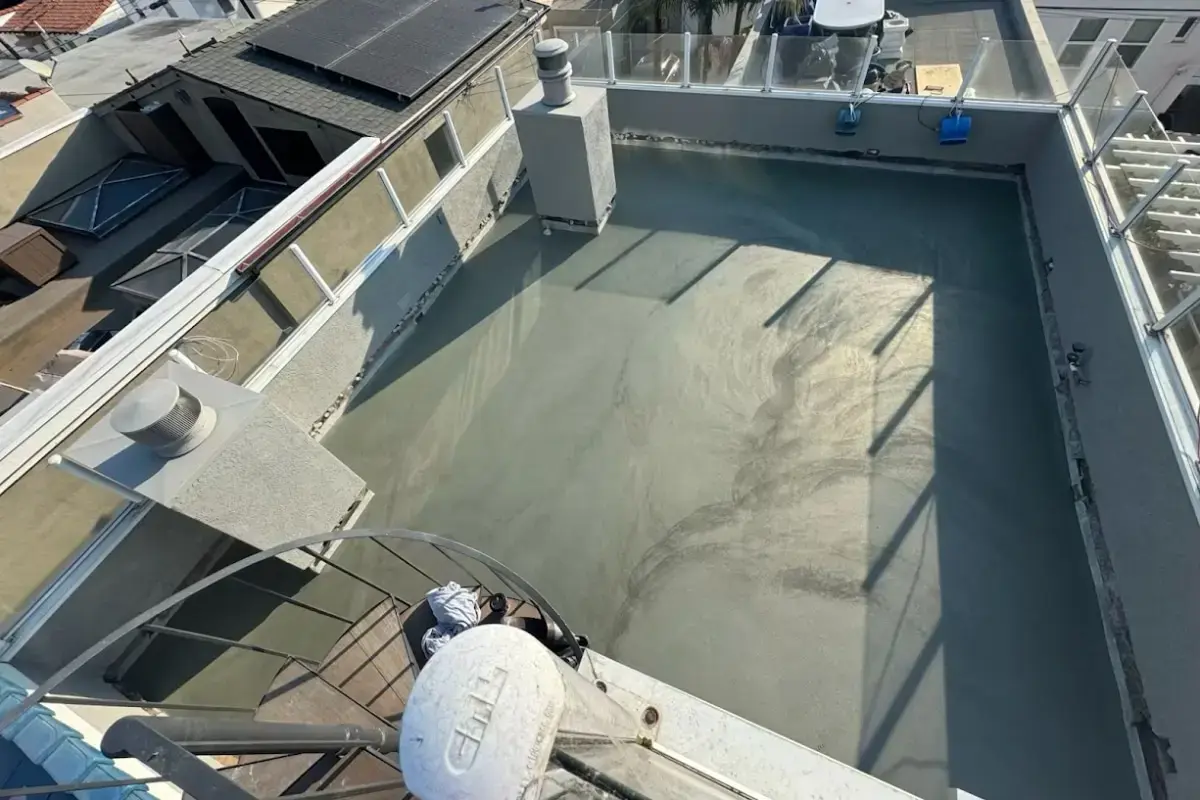
Maintaining Your Sealed Deck
Sealing your deck isn’t a one-and-done deal. Regular maintenance is key to prolonging the life of the sealant. Generally, expect to reapply the seal every one to three years, depending on weather conditions and heavy foot traffic. Monitor the deck for signs of wear, such as water soaking into the wood rather than beading on the surface.
Set a calendar reminder to inspect your deck at least twice a year. This proactive approach can save you from costly repairs later.
Dealing with Old Stain and Resealing
If your deck has an old stain, you may need to strip it or clean it thoroughly before applying new deck sealants. Old stain can prevent the sealant from absorbing properly, leading to uneven protection. Proper prep, including sanding and cleaning, ensures the new sealant adheres well and provides better protection.
Take Action for a Lasting Deck
Every day you delay sealing your deck is another day it succumbs to the elements. Protect your investment and create an outdoor space you can enjoy for years. Don’t let your deck fall victim to weather damage. If you want your deck to remain the crown jewel of your backyard, now is the time to seal it.
Ready to take action? Visit Prestige Decking to explore our range of high-quality deck sealants and get expert advice tailored to your specific wood type.
Frequently Asked Questions
What is the best time of year to seal a deck?
The best time to seal your deck is in dry weather with mild temperatures, ideally in spring or fall. This ensures the sealant dries properly and adheres effectively.
How long does it take for a deck to dry after sealing?
Typically, a sealed wood deck takes about 24 to 48 hours to dry completely, but this can vary based on the sealant used and weather conditions. Always check the manufacturer's recommendations.
Can I seal an old deck with existing stain?
Yes, but you might need to strip the old stain first for the new sealant to adhere properly. Make sure the deck surface is clean and dry before applying a new sealant.