
What You’ll Learn:
An overview of popular rooftop deck covering options, including their benefits, maintenance needs, and suitability for rooftop environments.
Important structural and installation considerations to ensure safety, durability, and compliance with building codes.
Practical advice on selecting the best materials based on budget, aesthetics, and long-term maintenance for creating a stylish and functional rooftop outdoor space.
Transforming Your Rooftop into an Outdoor Oasis
Imagine stepping out onto your rooftop deck, greeted by a stunning view and a stylish outdoor space that reflects your personality. With the right rooftop deck covering options, this dream can become a reality. Choosing the best roofing material is crucial for achieving a seamless blend of aesthetics and functionality. Selecting the right flooring and roof decking material can also help extend the lifespan of your rooftop deck while providing essential insulation against heat and weather. Proper installation, coupled with reliable rooftop deck waterproofing,further ensures long-term protection and durability. Understanding the benefits of each material is key to making an informed decision that balances beauty, function, and structural needs. Let’s explore the various materials that can elevate your rooftop deck into a must-visit retreat.
Exploring Different Materials for Your Rooftop Deck
When considering rooftop deck flooring options, several materials stand out. Each comes with its own set of advantages and disadvantages:
Composite decking: A popular choice due to its durability and low maintenance requirements. Composite boards resist fading and splintering, making them a cost-effective option in the long run. However, capped composite decking is recommended for rooftop decks because it provides excellent resistance to moisture and UV rays in harsh environments. The benefits include long-lasting appearance and reduced upkeep compared to natural wood.
Natural wood: Offers unparalleled beauty but requires regular maintenance, including sealing to protect against the elements. Traditional wood decking is favored for its warm, natural appearance, but it needs protection from heat and moisture to prevent damage. Thermally modified wood is another natural option that provides enhanced resistance to rot and moisture, making it especially suitable for rooftop decks.
Porcelain pavers: Ideal for a modern look, these tiles are stain- and moisture-resistant, making them perfect for flat roofs. Porcelain pavers installed on pedestals allow excellent drainage, reducing water pooling and protecting the roof deck beneath. Their lightweight nature, compared to stone pavers, reduces structural loads, a significant benefit for rooftop installations. These pavers also offer a variety of styles and sizes to suit different aesthetic preferences.
Rubber tiles: Lightweight and cushioned, they provide comfort underfoot and are ideal for high-traffic areas. Rubber roof tiles offer a slip-resistant surface and can be installed directly over rubber roof membranes, providing a comfortable feel in harsh rooftop conditions. Their benefits include shock absorption and noise reduction, making them practical for rooftop environments.
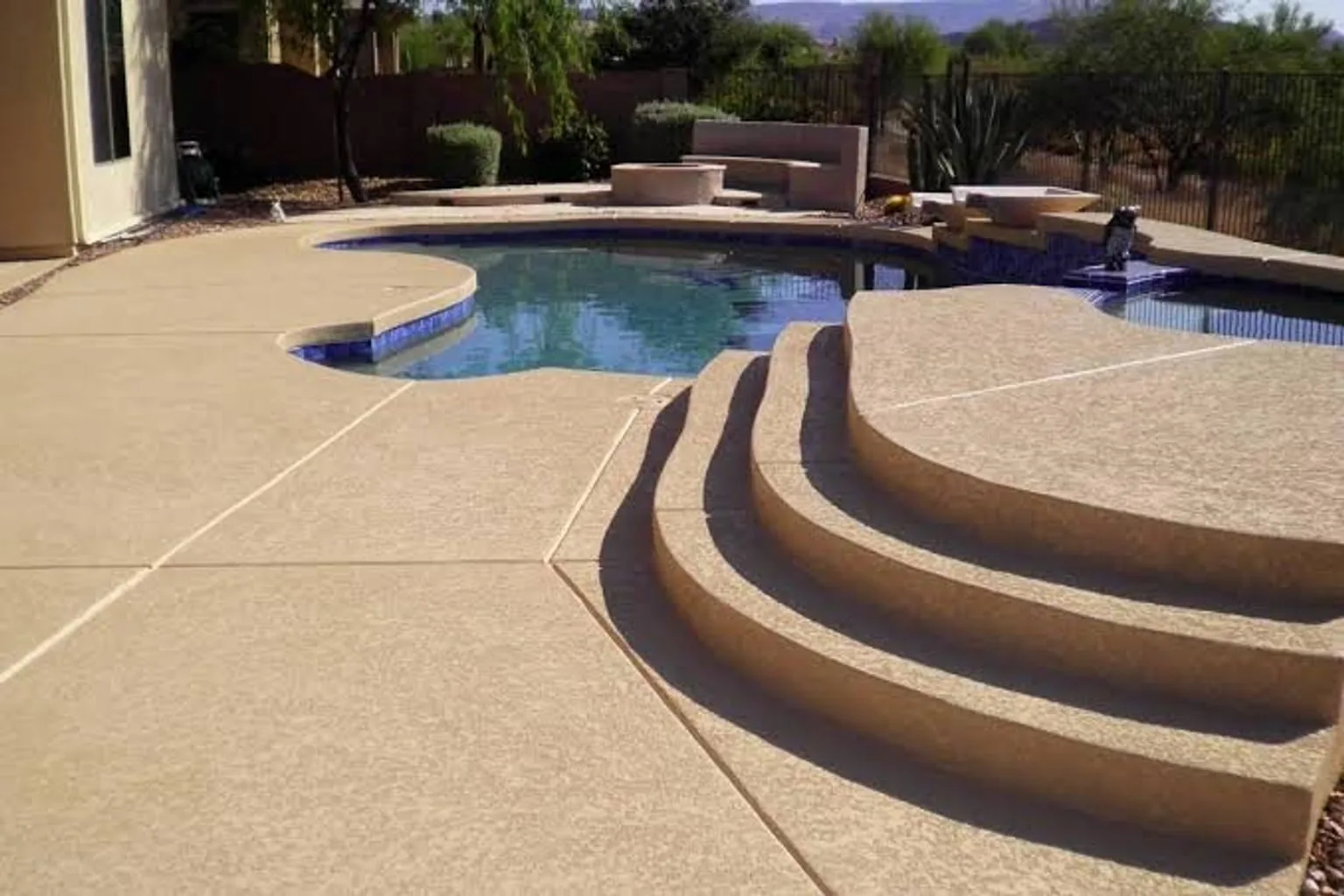
Concrete decking: Structurally sound and low maintenance, concrete can be styled to mimic other materials like stone, offering versatility. Its durability withstands hot weather and harsh environments, making it a practical choice for rooftop decks. Proper sealing enhances longevity and protects against heat and moisture. Concrete decks and decking boards also provide excellent thermal mass, helping regulate rooftop temperatures.
Synthetic turf: An increasingly popular option for creating green spaces on rooftops, synthetic turf offers a low-maintenance alternative to natural grass. It provides a soft, inviting surface but may require attention to drainage and heat retention on hot days. The benefits include creating a green oasis in urban settings without the upkeep of real grass.
Pressure Treated Wood and Decking
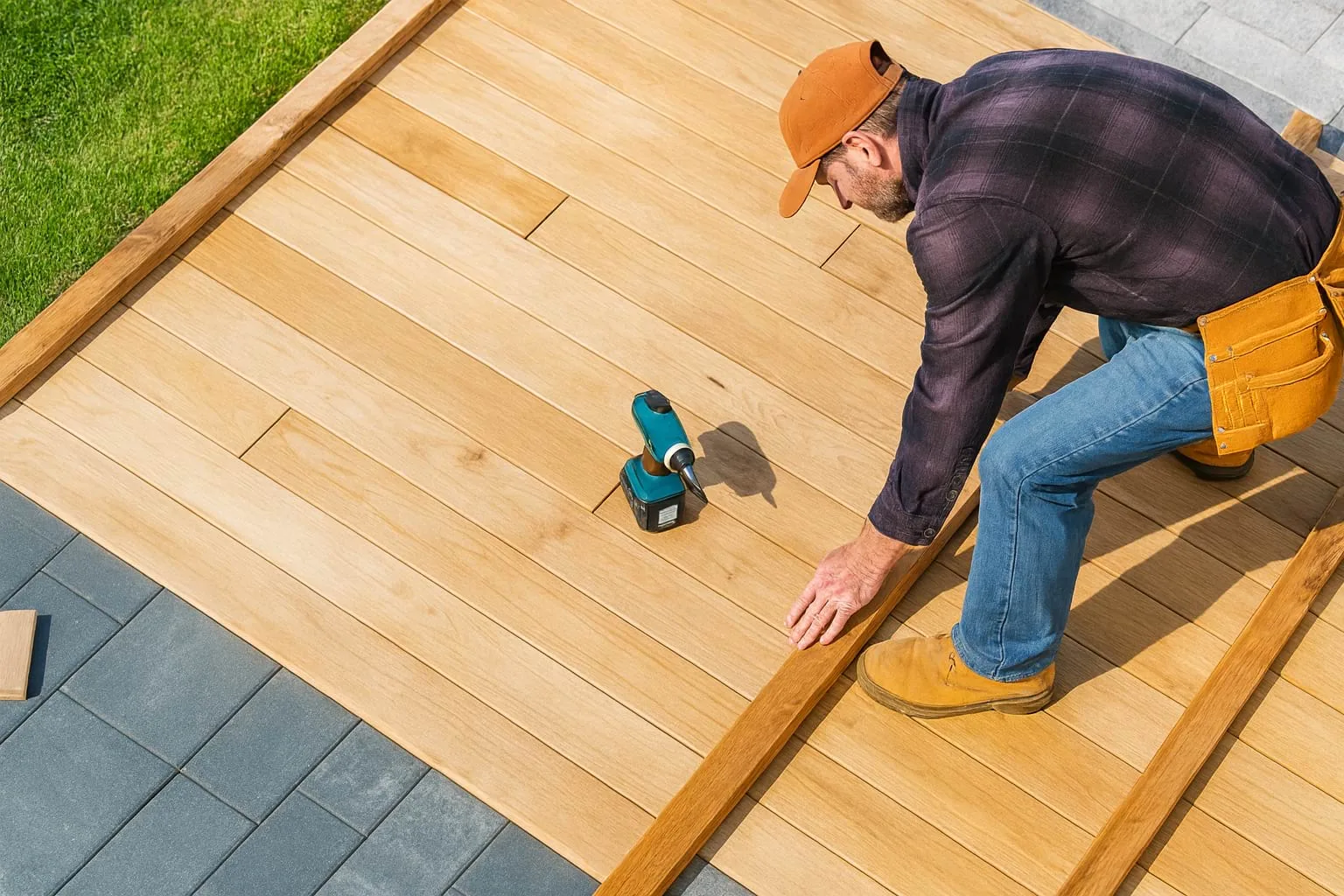
Pressure-treated wood is a common and affordable rooftop deck material option. While pressure-treated decking is strong and resistant to insects and decay, it requires frequent maintenance, such as staining or sealing, to withstand harsh rooftop environments. Proper installation and regular upkeep from professional deck restorers are essential to prolong its lifespan and maintain its appearance on your flat roof rooftop deck. Keep in mind that gutters and properly functioning drainage systems are vital to preventing water damage to decks made from pressure-treated wood. The benefits of pressure-treated wood include its affordability and structural strength, though it demands ongoing care.
Porcelain Pavers: Durable and Stylish
Porcelain pavers are an excellent choice for rooftop patios due to their lightweight nature and resistance to moisture and staining. These deck tiles come in various sizes and styles, allowing you to create a sleek, modern look that complements any rooftop design. Their durability and low maintenance make porcelain pavers a smart investment for rooftop decks exposed to harsh weather. Using pedestal systems with porcelain pavers also helps maintain insulation and prevents damage to the roof membrane below. The benefits of porcelain include excellent drainage, reduced strain on the roof structure, and aesthetic versatility.
Cost of Inaction: Why Delay Can Cost You
Failing to invest in the right rooftop deck materials can lead to significant repercussions. Imagine hosting a summer gathering on a drab, deteriorating deck. Not only does it diminish the appeal of your outdoor living space, but it also risks the structural integrity of your home. The cost of replacing a poorly chosen material can escalate quickly, leading to wasted time and money. If you want your outdoor space to be stylish and functional, acting now to secure the right waterproofing solution is vital to extending your deck’s lifespan and preventing damage from heat, moisture, poor drainage, or structural issues. The benefits of timely action include preserving property value and avoiding costly repairs.
Comparing Popular Rooftop Deck Materials
| Material | Durability | Maintenance | Cost |
|---|---|---|---|
| Composite | High | Low | Moderate |
| Natural Wood | Medium | High | Variable |
| Porcelain Pavers | High | Low | Higher |
| Rubber Tiles | Medium | Low | Moderate |
| Concrete | High | Very Low | Low |
| Synthetic Turf | Medium | Low | Moderate |
Concrete Decking Industrial Strength with Low Maintenance
Concrete decking offers an industrial vibe, exceptional durability, and very low maintenance requirements. It can be customized to mimic natural stone or other materials, offering design versatility. Its ability to withstand harsh rooftop conditions and its minimal upkeep requirements make concrete decking a practical choice for many rooftop decks. Proper sealing of concrete decking enhances its longevity and protects it from the effects of heat and moisture. The benefits include excellent fire resistance and thermal mass, contributing to energy efficiency.
Pressure Treated Decking: Affordable, Durable Choice
Pressure-treated decking is a cost-effective rooftop deck material option known for its durability and resistance to insects and decay. While it requires regular maintenance, such as staining or sealing, to withstand harsh rooftop conditions, its affordability makes it a popular choice for many homeowners seeking a balance between budget and performance. Incorporating gutters and ensuring proper drainage around the deck can significantly reduce moisture-related issues. The benefits include structural strength and cost savings, though it demands ongoing upkeep.
Decision Tension: Act Now or Risk Regret
Every day you delay deciding on your rooftop deck is a day lost to potential enjoyment and increased property value. Those who take decisive action enjoy their outdoor spaces, while those who hesitate see their options diminish and their outdoor experience remains uninspired. Don't let your rooftop deck become an afterthought; make it a focal point of your home by choosing the right materials and ensuring proper installation. The benefits of proactive planning include enhanced longevity and safety.
Handling Common Hesitations About Decking Materials
Is composite decking really worth the investment?
Absolutely. While the initial cost might be higher, the long-term savings on maintenance and replacement make composite decking a smart choice. Additionally, PVC decking, a synthetic decking type, offers lightweight, waterproof properties but may not perform well in extreme heat and cold; consider capped composites for rooftop applications. The benefits of composite decking include its durability, moisture resistance, and UV protection.
What about the weight of materials on a flat roof?
Using lightweight options like rubber tiles, synthetic turf, or composite boards can alleviate concerns about structural integrity. Always consult with a contractor to ensure your rooftop structure can support the material you choose. Heavy materials, such as stone or concrete pavers, may require structural upgrades to your roof deck. The benefits of lightweight materials include easier installation and reduced load on the building.
How often do I need to maintain natural wood?
Natural wood requires regular sealing—typically every 1-3 years—to protect against weather exposure. If you're seeking a low-maintenance option, consider composite or porcelain materials. Thermally modified traditional wood is another option that offers enhanced resistance to moisture and rot. The benefits of maintaining wood include preserving its natural beauty and preventing structural damage.
Proper Installation: Ensuring Longevity and Safety
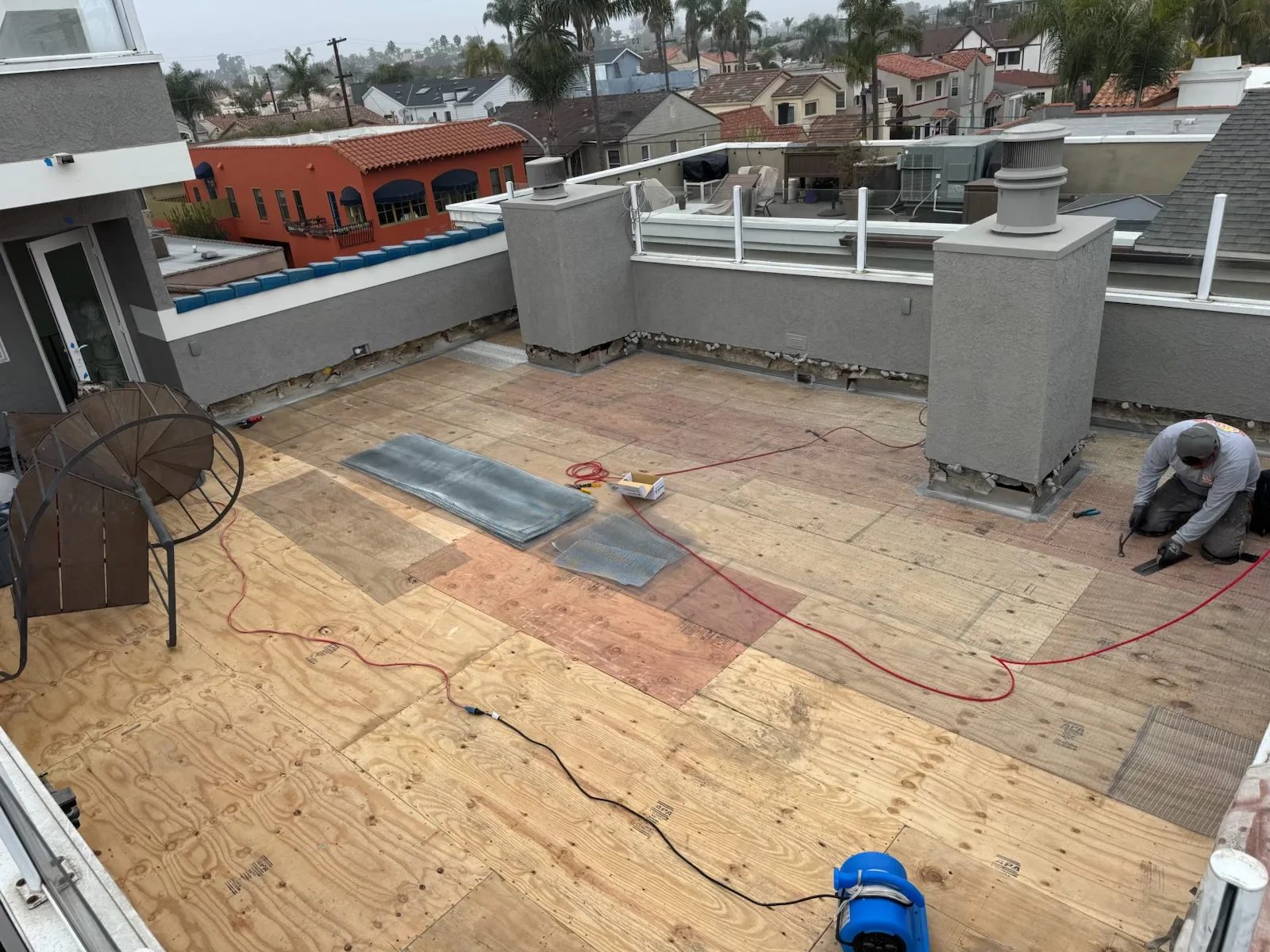
Selecting the right rooftop deck material is only part of the process; proper installation is critical to ensure durability and safety. This includes ensuring your existing roof structure can support the additional weight, installing proper drainage and gutters, and incorporating smart safety decking ideas for secure outdoor living spaces. Most rooftop decks use a waterproof membrane beneath the walking surface to protect the roof deck. Additionally, materials and installations must comply with local building and fire codes to ensure safety and code compliance. Rooftop deck systems must support both static and live load weights to maintain structural integrity. Hiring experienced professionals can help prevent common issues such as water pooling, material warping, and premature wear.
Deck Tiles: Versatile and Easy to Install
Deck tiles are a flexible option for rooftop decks, offering easy installation and a variety of aesthetic choices. Available in materials such as wood, porcelain, rubber, and PVC, deck tiles can be laid directly over existing roof surfaces to create a comfortable, stylish rooftop patio. Their modular nature allows for quick replacement or redesign, making them ideal for those seeking a customizable outdoor space. Some PVC tiles are perforated to allow water drainage, enhancing their suitability for roof decks. The benefits of deck tiles include versatility, ease of maintenance, and design flexibility.
Best Material for Your Rooftop Deck
Choosing the best material depends on your budget, climate, aesthetic preferences, and your willingness to maintain it. For durability and low maintenance, porcelain pavers and composite decking rank highly. For natural beauty, hardwood or pressure-treated wood can be selected, but requires more upkeep. Reviewing the best decking materials for rooftop decks and patios can help you weigh these options. Consider your rooftop’s structural capacity and consult professionals to ensure the chosen material complements your lifestyle and enhances your outdoor living experience. Adding features such as an outdoor kitchen or synthetic turf can further enhance your rooftop deck’s usability and appeal. The benefits of selecting the best material include increased property value, enhanced comfort, and long-term satisfaction.
Taking the Next Step Toward Your Dream Rooftop Deck
Once you've decided on the right roofing material, the next step is to consult with a professional contractor. They can guide you through proper installation techniques to ensure your rooftop deck is not only beautiful but also safe and durable. If you want to apply this without trial and error, book a consultation with a reputable contractor today. The benefits of professional guidance include assurance of code compliance, structural safety, and optimal performance.
Frequently Asked Questions
What are the best decking materials for a rooftop deck?
The best materials depend on your specific needs, but composite decking, porcelain pavers, rubber tiles, and synthetic turf are popular for their durability and low maintenance. Each material offers unique benefits that can enhance your rooftop experience.
Can I install a rooftop deck myself?
While DIY installation is possible, hiring a professional ensures proper installation and compliance with safety standards, particularly regarding structural integrity and waterproofing. The benefits of professional installation include longevity, safety, and warranty compliance.
How do I maintain my rooftop deck?
Maintenance varies by material. Composite requires minimal upkeep, while natural wood needs regular sealing. Always clean debris to prevent damage and ensure gutters and drainage systems are functioning properly, protecting your roof deck. Proper maintenance benefits include extended lifespan and preserved aesthetics.
Do rooftop deck materials need waterproofing underneath?
Yes. The walking surface and the waterproofing system do different jobs. Pavers, composite boards, wood, tile, and turf can improve comfort and appearance, but the roof deck still needs a properly installed waterproof membrane, drainage, flashing, and edge details underneath to protect the structure from leaks.
How long do rooftop deck materials usually last?
Service life depends on the material, installation, sun exposure, drainage, and maintenance. Composite decking and porcelain pavers can last for decades when installed over a sound waterproofing system, while natural wood usually needs more frequent sealing and upkeep to stay protected.