
What You’ll Learn:
How a waterproof deck membrane helps prevent moisture damage, rot, mold, and costly repairs while preserving your deck’s appearance and lifespan.
How to compare membrane types—including sheet, liquid-applied, peel-and-stick, vinyl, and EPDM—and choose one based on exposure, foot traffic, drainage, and maintenance needs.
Proper installation involves preparing a smooth substrate and ensuring adequate slope, sealing seams, flashing edges, and maintaining the finished system.
Imagine stepping out onto your deck, a beautiful extension of your home, only to find water pooling in the corners or seeping through the surface. A waterproof membrane for deck protection is more than an optional extra: it helps preserve your outdoor space and the structure beneath it, protecting wood decks and plywood decks from moisture damage.
Hidden Costs of Ignoring Deck Waterproofing
Without a waterproofing membrane, water can damage the deck’s substrate, rot wood, encourage mold, and lead to costly repairs or structural failures. Repair costs vary widely with the deck’s size, materials, access, and the extent of hidden damage. Effective waterproofing solutions help extend the lifespan when comparing waterproof decking vs. traditional wood decks and protect rooms below from leaks. They also preserve the deck’s appearance by preventing stains and moisture damage, supporting year-round use and helping maintain its aesthetic appeal and durability.
Transform Your Space with a Waterproof Deck Membrane
A waterproof deck membrane does more than prevent leaks; it can create a smooth, attractive finish for wood, plywood, or concrete, making the space more inviting for relaxing or entertaining guests. Options include sheet membranes, liquid-applied products, and peel-and-stick membranes. Sheet products include PVC, vinyl, and EPDM; EPDM rubber offers high tensile strength and tear resistance, while high-density polyethylene (HDPE) resists punctures and tears. Vinyl membranes are durable and slip-resistant for residential decking, and Tufdek vinyl decking is thermally welded to create a watertight seal. Acrylic coatings can provide flexible, seamless protection; liquid-applied membranes may use polyurethane, acrylic, or modified rubber. Under-tile systems form a waterproof layer between concrete and tile, while concrete systems may use durable urethane coatings.
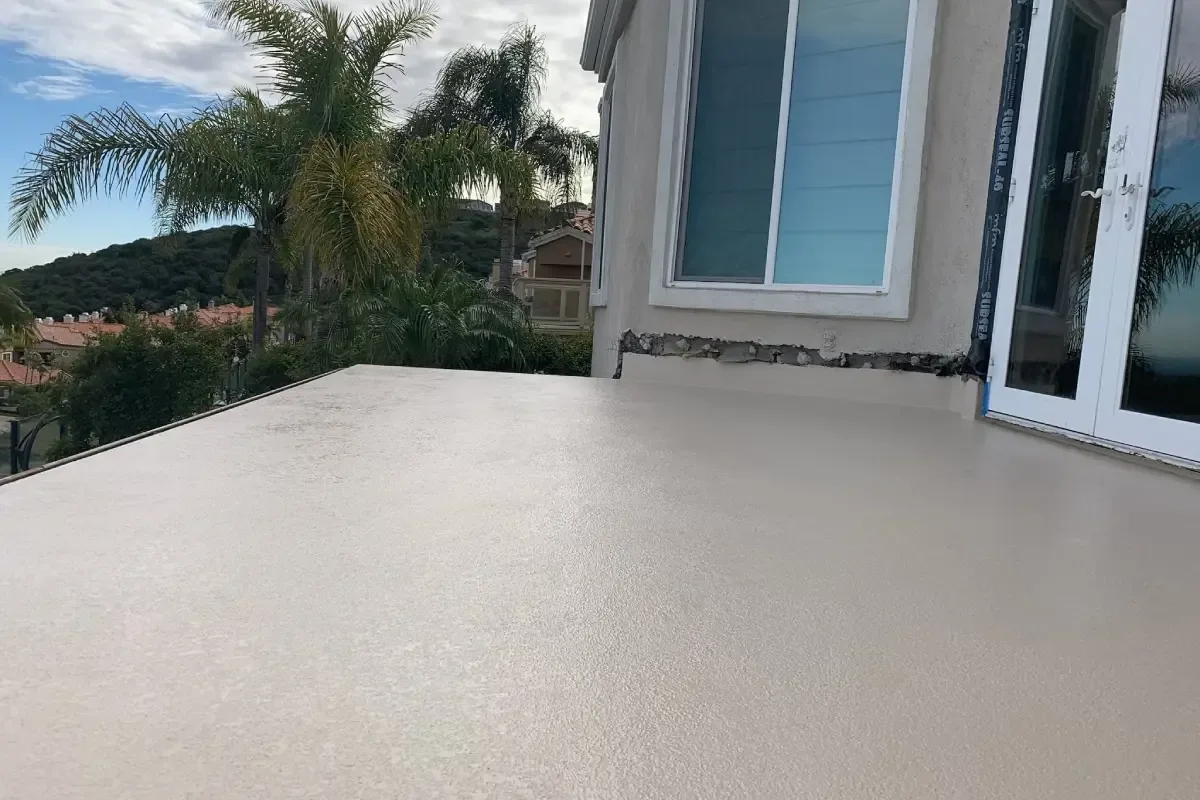
Choose a membrane based on foot traffic exposure and whether it will be hidden beneath pavers or tiles. UV resistance matters in sunlight, and puncture resistance is especially important under hard finishes. Consider thermal expansion and contraction, maintenance needs, and seam integrity, since well-sealed seams are essential to long-term performance. Proper drainage and the right membrane create an effective waterproofing system that delivers lasting protection. Plan the project around the deck’s use, exposure to the elements, and the product’s installation and care requirements.
Practical Waterproof Deck Scenario
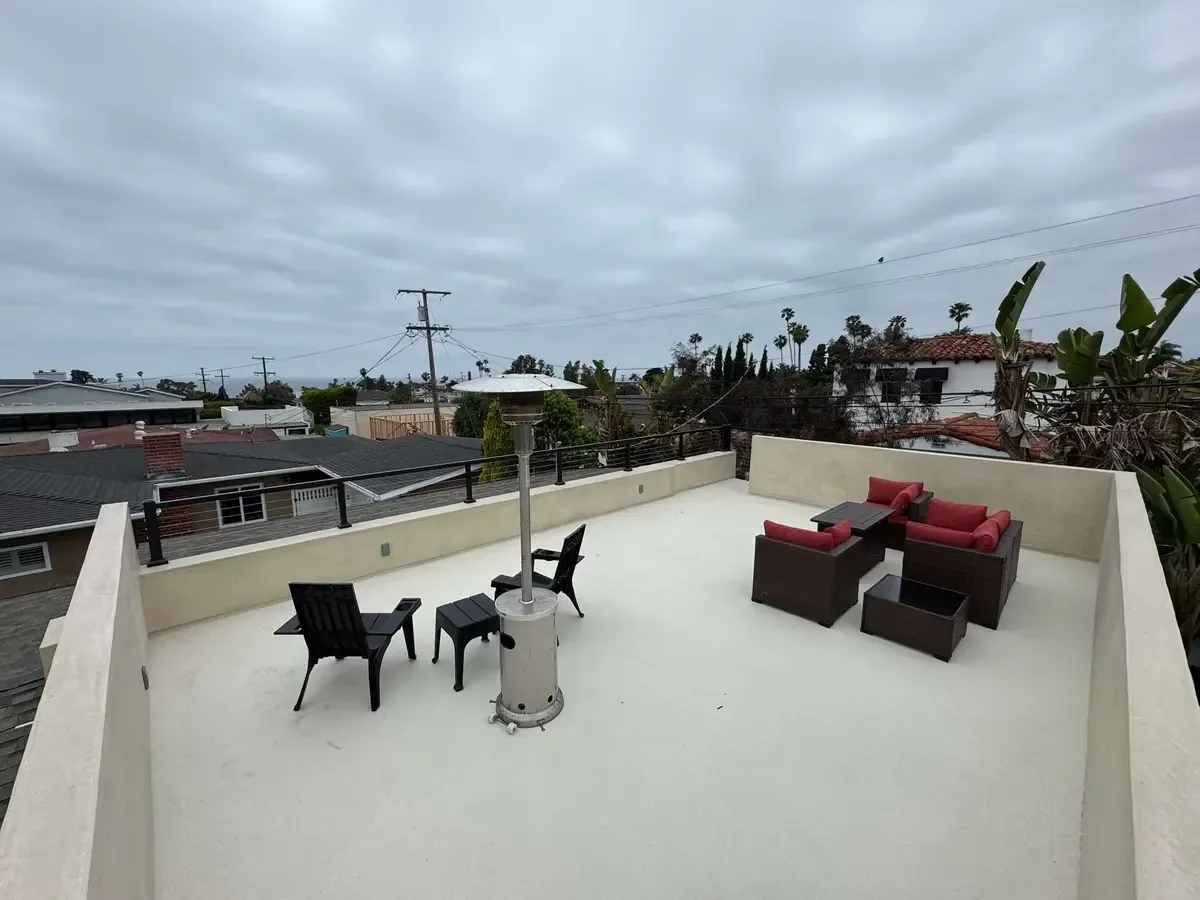
Consider an elevated residential deck above a patio or living area. A properly selected membrane, integrated flashing, sealed transitions, and positive drainage work together to protect the framing and the occupied space below. The finished surface can also provide a clean, usable area for seating and everyday outdoor use.
Commercial Applications Beyond Residential Use
Waterproof membranes also suit commercial spaces such as balconies and walkways in multi-family residences. Durable, engineered systems can withstand foot traffic and harsh weather, helping preserve structural integrity and safety. They can also protect functional outdoor rooms and the spaces beneath elevated decks. For busy areas, select products designed for the expected wear and weight, and consider features such as slip resistance and suitable railing and stair details. A properly specified system can connect deck protection with usable, dry space below while supporting low-maintenance outdoor living solutions.
Why a Waterproof Membrane for Deck Protection Matters
A reliable waterproof membrane keeps moisture away from framing, helping prevent rot and mold and significantly extending the lifespan of wooden decks. By reducing water damage and stains, it supports a clean appearance and helps keep the deck usable year-round. Membranes exposed to weather need appropriate UV resistance, while those beneath pavers or tiles need strong puncture resistance. Maintenance requirements vary by system, so inspect the surface regularly for wear and address cracks or other damage promptly to protect longevity. Keep the membrane free of debris and follow the manufacturer’s maintenance guidance.
What to Expect During Deck Membrane Installation
The installation process is critical to preventing leaks. Start with a sound, smooth substrate: clean the deck thoroughly, repair defects, and block and fasten plywood joints tightly to prevent movement. Check for gaps and seal or address them as required by the selected system—especially when preparing for tile deck waterproofing. The deck assembly must provide positive drainage using the slope required by the selected system and project conditions; the manufacturer’s specifications and applicable project requirements govern. Follow the manufacturer's instructions and use suitable materials and tools for the best results and efficient installation.
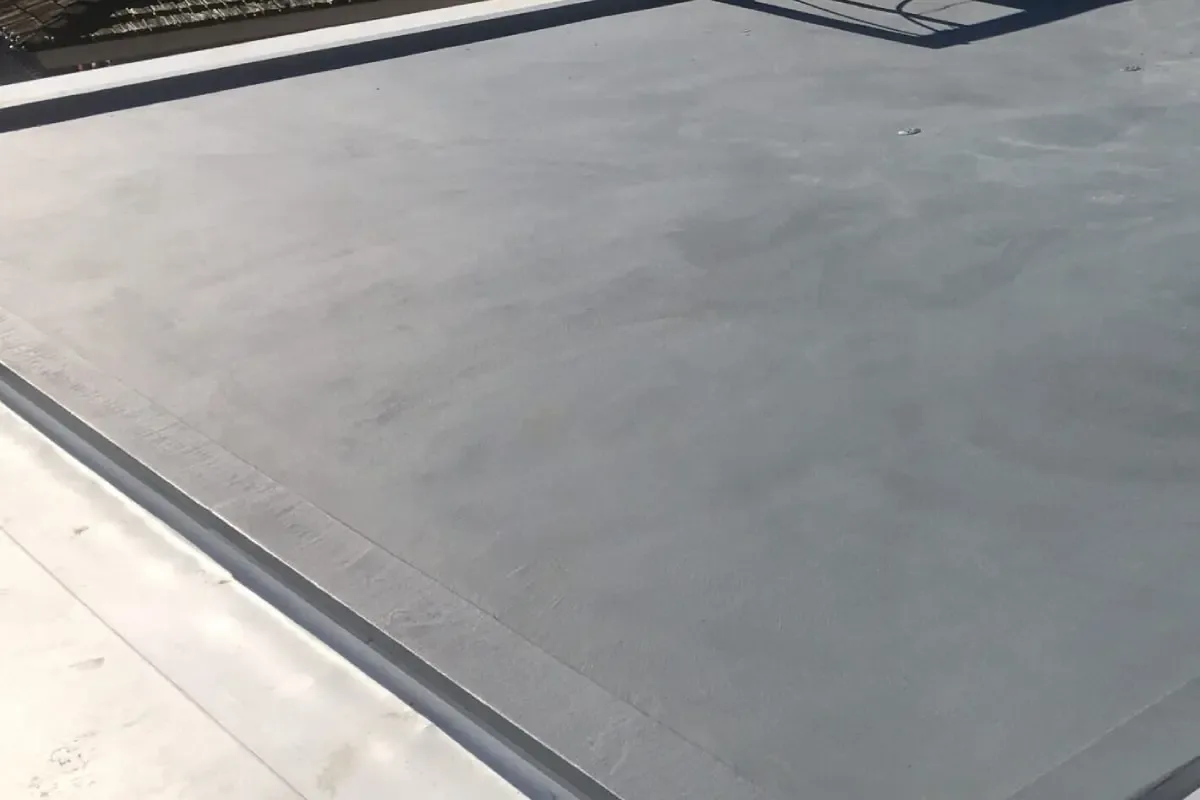
Prepare the Surface: Ensure the deck surface is clean, dry, and smooth for better adhesion.
Choose Your Membrane: Select a suitable sheet, liquid-applied, peel-and-stick, vinyl, or coating system for the substrate and exposure.
Apply the Membrane: Follow the manufacturer's guidelines. Overlap edges and seal seams tightly; use seam tape to secure joints where specified. If using a sheet membrane on a roll, lay it straight and avoid wrinkles.
Seal Edges: Install metal flashings around edges and vulnerable details to help prevent water infiltration. Carefully seal transitions at the railing, walls, and stairs.
Cure and Finish: Allow the membrane to cure fully before adding furniture or decorations. Keep decking screws and other fasteners from compromising the waterproof layer; use the system’s approved details.
Waterproofing membranes can protect decks in high-moisture environments, reduce the risk of rot and mold, and help keep areas below dry. Some systems are intended to be covered, while others provide a finished walking surface, so confirm the product’s intended use before construction to perform as intended. The U.S. Department of Energy’s Building America Solution Center also explains why deck flashing and drainage details matter at the deck-to-house connection. Proper installation and maintenance help a waterproofing system last and remain functional.
Overcome Common Hesitations About Deck Waterproofing
Some homeowners hesitate to invest in a waterproof membrane because of cost or questions about necessity. Here are three common objections:
Isn’t it too expensive?
The initial cost may seem high, but preventing water damage and repairs can save money over time and protect the deck’s structure.
I can just paint my deck.
Paint may offer a temporary surface finish, but it may not address underlying moisture risks. A purpose-made waterproof membrane provides a barrier designed for the application.
Will it be difficult to install?
With careful preparation and the right instructions, some systems may be suitable for DIY installation. Complex decks, elevated structures, and areas over living spaces may benefit from professional installation to ensure reliable drainage and sealed details.
Your Next Steps to Get a Waterproof Deck
Ready to protect your deck? A waterproof membrane is a practical way to guard against moisture and make outdoor space more dependable. To choose the right system without trial and error, book a consultation with our experts today. They can guide you toward a solution tailored to your deck and its construction.
Frequently Asked Questions
What is a waterproof membrane?
A waterproof membrane is a barrier that prevents water from penetrating a deck structure and protects underlying materials from moisture damage.
How long does a waterproof membrane last?
Lifespan varies by material, exposure, installation quality, traffic, and maintenance. Follow the selected manufacturer’s service-life guidance, inspection schedule, and repair requirements.
Can I install a waterproof membrane myself?
Some homeowners install membranes themselves, as long as they follow the manufacturer’s instructions and prepare the surface correctly. For complex conditions, professional installation can help avoid leaks.