
What You’ll Learn:
The factors that make deck paint, solid stain, and waterproof deck coatings durable on exterior wood and concrete surfaces.
How preparation, moisture levels, primers, and application timing affect whether a coating lasts or starts to peel.
When ordinary deck paint is not enough and a professional waterproofing or elastomeric deck coating system is the better fit.
When it comes to preserving the integrity and appearance of outdoor spaces, deck paint can be useful, but it is not always the full answer. The best choice depends on the surface, moisture exposure, foot traffic, and whether the deck also needs a waterproof coating system. For Orange County balconies, roof decks, stairs, patios, and exterior wood decks, lasting protection starts with the right prep and a finish built for UV rays, moisture, and daily use.
Understanding the Importance of Deck Paint
Deck paint is more than just a protective coating; it's a barrier against the elements. Exposure to UV rays, moisture, and foot traffic can wreak havoc on exterior wood surfaces. Quality deck waterproofing, when properly applied alongside deck paint, offers robust protection, keeping your wood deck beautiful and functional for years to come. Solid stain is another excellent option that penetrates the wood, providing color and protection while allowing the wood to breathe.
Best Deck Paint: What to Look For
Choosing the best deck paint means selecting a product with excellent adhesion, weather resistance, and durability. Look for paints or coatings specifically formulated for exterior decks, not general wall paint. The finish should handle sun exposure, moisture, heavy foot traffic, mildew, and wet walking conditions. Textured paint options and anti-slip deck coatings can also make stairs, patios, and walking surfaces safer after rain or coastal moisture.
Solid deck stains are also a strong alternative to traditional deck paint. They provide color and protection while allowing the wood to breathe, which can reduce cracking and peeling on wood deck boards that expand and contract.
Why the Best Deck Matters
Your deck extends your living space and is a key part of your home's outdoor appeal. Investing in the best deck materials and finishes ensures longevity and safety, especially in areas with high foot traffic and sun exposure. A well-maintained wood deck also adds value to your property and enhances your outdoor enjoyment. Solid deck stains and solid stains provide a durable, flexible finish that can withstand the elements better than many paints, making them a smart choice for long-lasting deck protection while preserving the natural wood grain.
Oil-Based Deck Paints: Pros and Cons
Oil-based deck paints are known for their strong adhesion and durable finish, making them a popular choice for wood decks exposed to harsh weather. They penetrate wood surfaces deeply, providing a protective barrier against moisture. However, oil-based paints may require longer drying times and can be less flexible than acrylic alternatives, which might affect performance on brand-new wood decks that expand and contract. Choosing the right oil-based deck paint can significantly improve your deck's lifespan and appearance.
Painting New Wood: Preparation and Tips
When working with brand-new wood, proper preparation is crucial for paint adhesion and durability. New wood should be allowed to dry thoroughly, ideally reaching less than 15% moisture content, before applying any paint or solid stain. Following a comprehensive waterproofing and painting guide ensures a smooth, long-lasting finish that protects the wood from sun exposure and moisture.
Exterior Wood and Its Challenges
Exterior wood, such as wood deck boards and railings, faces constant exposure to sun, rain, and temperature fluctuations. Without proper protection, this exposure can cause cracking, warping, and deterioration. Using the right deck paint or solid stain helps shield exterior wood from these damaging effects, extending its lifespan.
Why Quality Matters
Investing in high-quality deck paint, solid stain, or a professional deck coating system means choosing a finish designed for weather, traffic, and moisture. Some patio and deck paints, including products in the Benjamin Moore INSL-X line, are formulated to resist fading from sun exposure, while 100% acrylic latex products can allow moisture vapor to escape and resist mildew. Product choice still has to match the surface, age of the deck, and waterproofing need.
That distinction matters for Prestige Deck Coating customers because many Orange County decks are not only decorative walking surfaces. They may also protect living space below, exterior stairs, balconies, or concrete areas where a true waterproof coating system is more important than a basic paint job.
Deck Stain vs. Deck Paint: Which is Better?
While deck paint provides a solid, protective coating, many professionals recommend considering deck stain, especially solid or semi-transparent stains. As detailed in this waterproof coating guide, deck stain penetrates the wood fibers, allowing the wood to breathe and flex with temperature changes. This flexibility helps prevent peeling and cracking, common issues with deck paint. Deck paint peels because it forms a rigid surface film that cannot move with the wood, leading to cracks and eventual peeling. Solid deck stains offer color and protection without forming a rigid surface film, making them a preferred choice for many.
When Deck Paint Is Not Enough
Standard deck paint is not always designed for horizontal surfaces with constant foot traffic, standing moisture, and temperature movement. On an exposed wood deck, ordinary paint can peel within one to two seasons when water gets trapped beneath the surface or when the coating forms a rigid film that cannot move with the wood.
This is why deck paint peels even after a careful application: moisture, UV rays, old paint, and wood movement work against the film. Oil-based paints can offer strong adhesion, but they do not always block UV rays effectively, and they may be less flexible than acrylic or elastomeric products.
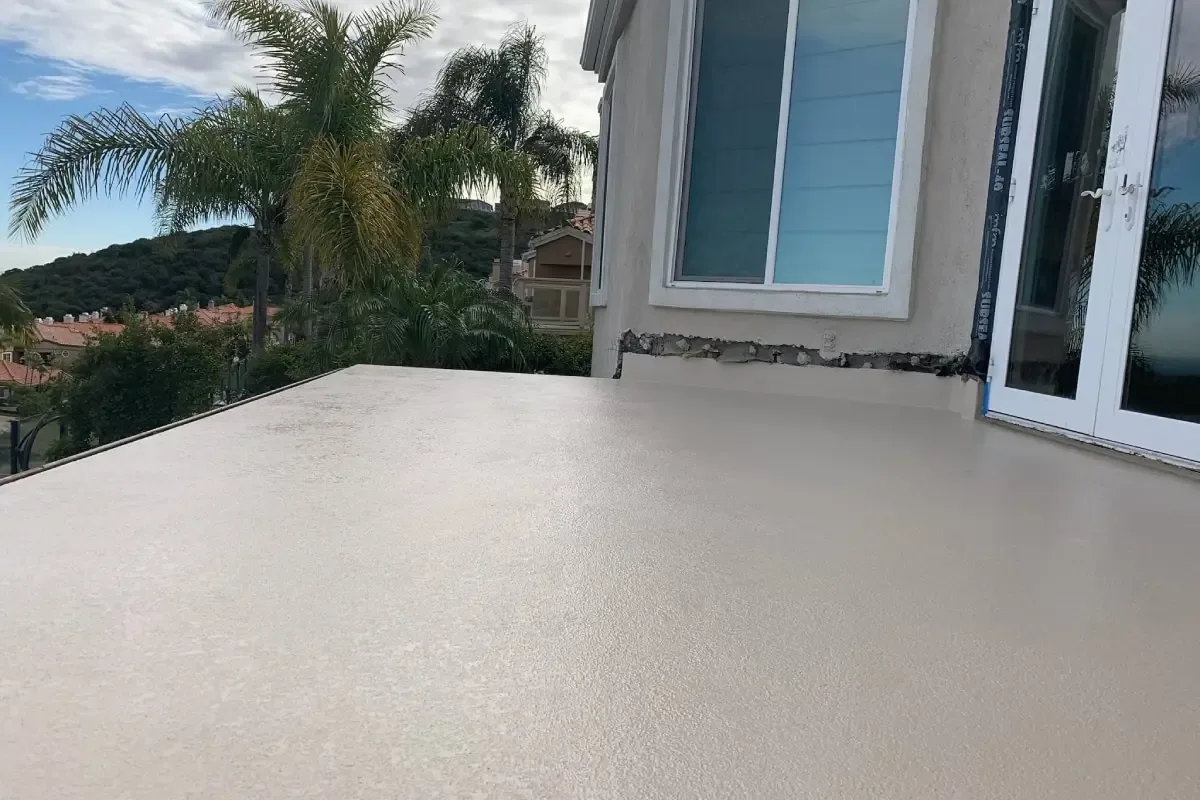
For older, weathered wood, concrete stairs, balconies, or roof decks, an elastomeric deck coating or waterproof membrane may be the better long-term option. These coatings are built to bridge small movement, protect against moisture intrusion, and provide a durable walking surface when installed over properly prepared substrates.
The Cost of Inaction
What happens if you choose not to paint your deck? The costs can be staggering. Over time, neglecting to apply deck paint can lead to:
Complete Replacement: A weathered wood deck can deteriorate to the point where you’re forced to replace the entire deck, costing thousands of dollars.
Increased Maintenance: Routine maintenance helps prevent mildew buildup on decks, and sanding and restaining is time-consuming and costly. A good paint job minimizes this need.
Safety Hazards: Cracked or peeling paint can create tripping hazards, especially in high-traffic areas where deck screws and nails might be exposed. Slip-resistant finishes are necessary for safety on wet decks.
First Step: Preparing Your Deck Boards
The first step in any deck painting project is properly preparing your deck boards. This includes cleaning, sanding, and inspecting for damage—a process that can also help you evaluate whether traditional wood or upgraded materials like composite deck boards might better suit your long-term maintenance goals. Proper preparation ensures the paint adheres well and lasts longer, preventing common issues like deck paint peeling and cracking.
Pressure washing, or using a power washer, is highly recommended. This removes dirt, mildew, and old paint residue, preparing the surface for painting. Using a cleaner like Simple Green can help with tough grime and mildew buildup.
Timing is crucial; avoid painting in direct sunlight or rain to ensure the best results.
What Makes Deck Paint Durable?
Durability in deck paint comes from several key factors:
Composition of the Paint
Oil-based paints tend to provide better adhesion and longevity than water-based options, especially under harsh conditions. Look for paints that are specifically formulated for outdoor use and compatible with pressure-treated wood and new wood surfaces.
Acrylic paints allow moisture to escape while resisting mildew, making 100% acrylic latex paint ideal for exterior wood decking.
Pressure Treated Wood and Paint Compatibility
Pressure-treated timber is commonly used for decks because it resists rot and insects. However, it requires special attention when painting to ensure proper adhesion. Using deck paint or solid stain designed for pressure-treated timber helps maintain durability and appearance.
Proper Application Techniques
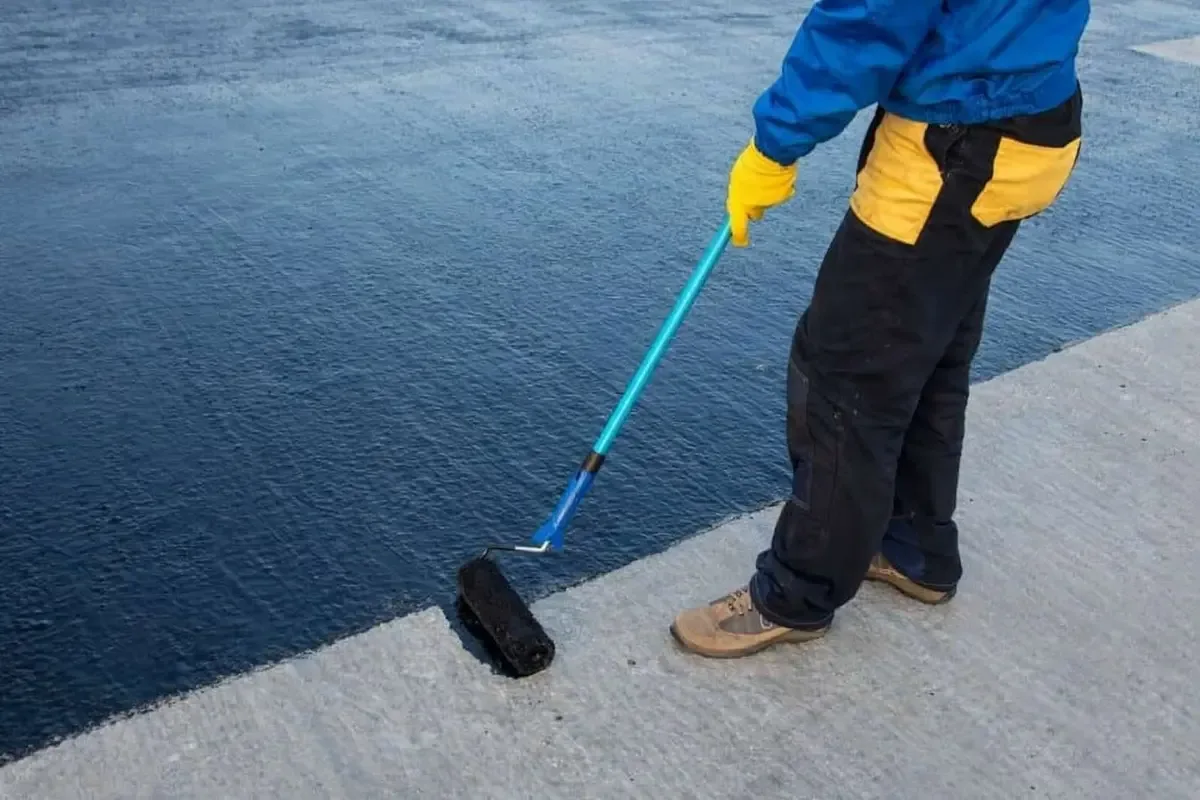
Applying deck paint correctly is crucial. This means:
Ensuring surfaces are clean and free of old paint.
Removing all loose, flaking paint before applying new paint.
Using a primer if necessary. Primers fill grooves and seal wood to prevent absorption; use a shellac-based primer for wood knots to prevent bleeding.
Apply at least two coats, allowing each coat to fully dry before applying the next.
Apply paint in one direction to ensure even coverage and a smooth finish.
Use the right tools, such as a brush for edges and a roller for horizontal surfaces, to achieve the best results.
Weather Resistance
High-quality deck paints resist UV rays and moisture. This resistance helps prevent peeling or fading, especially in high-traffic areas.
Concrete Surfaces and Deck Paint
While primarily used on wood, some deck paints also work on concrete surfaces such as patios or stairs. Concrete must cure for at least 28 days before coating to ensure proper adhesion and durability.
Best Paint for Decks: Choosing the Right Product
Selecting the best paint for your deck is essential for durability and appearance. Look for paints specifically formulated for decks that offer UV protection, moisture resistance, and compatibility with your deck material, whether new or pressure-treated. Brands like Sherwin-Williams and Ben Moore are trusted choices known for their long-lasting deck paint and solid deck stains.
Liquid Rubber Polyurethane Deck Coating is another excellent option, offering a product that is 10X stronger than regular paint when properly applied, providing superior durability and protection.
Practical Examples for Deck Coating Decisions
A newer pressure-treated wood deck may only need careful drying, cleaning, sanding, priming, and the right solid stain or deck paint. In that situation, the main goal is appearance, UV resistance, and protection from normal wear.
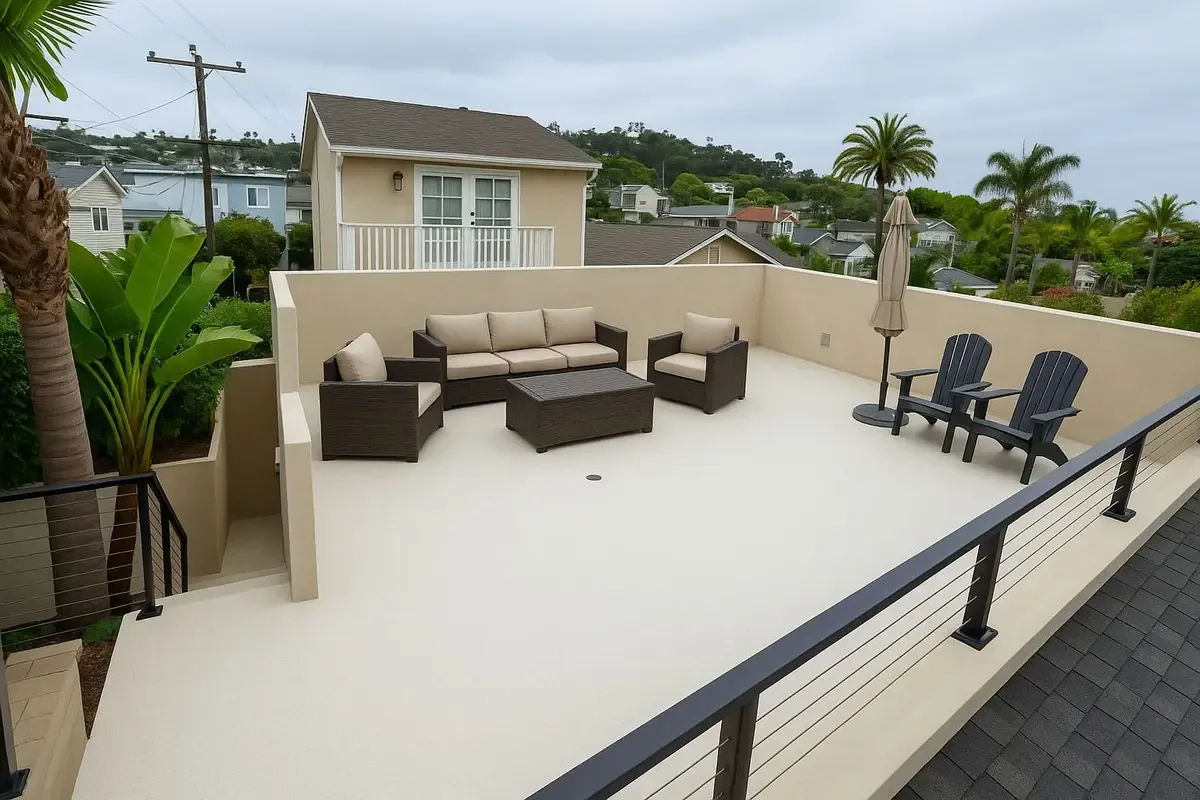
A balcony, rooftop deck, exterior staircase, or concrete deck surface is different. These areas often need slip resistance and waterproof protection, especially when water intrusion could affect framing, rooms below, or nearby walls. That is where a professional deck coating system is usually the safer recommendation.
Addressing Common Objections
Many homeowners hesitate to invest in deck paint. Here’s how to address their concerns:
“It’s Too Expensive”
While quality deck paint may cost more upfront, think of it as an investment. The long-term savings on maintenance and repairs far outweigh initial expenses.
“I Don’t Have Time”
The prep work for applying deck paint can seem daunting. However, a few weekends of prep can save you years of hassle. Plus, the satisfaction of a professionally painted deck is worth the effort.
“Will It Really Last?”
When applied correctly, quality deck paint can last 5 to 10 years, depending on climate and foot traffic. Regular maintenance, like power washing and reapplication, will extend its life further.
After You Apply Deck Paint
Once you decide to go ahead with deck painting, here’s what to expect:
Choose a custom color and finish that complement your home.
Prepare your deck, which may include pressure washing and sanding.
Apply your first coat, then let it dry completely before applying a second coat.
Making the Decision to Act
If your deck is decorative wood, deck paint or solid stain may be enough when the surface is dry, sound, and properly prepared. If your deck protects living space, shows peeling, has cracks, or sees heavy moisture, it is worth having a waterproofing contractor look at the surface before you choose a product.
Ready to protect your outdoor space? Contact Prestige Deck Coating for deck coating and waterproofing recommendations built around your surface, budget, and Orange County climate.
Deck Paint, Coating, and Waterproofing Summary
Deck paint can refresh color and add protection, but durability depends on whether the product matches the surface. Wood decks need dry boards, clean grain, compatible primer, and flexible coatings. Concrete and waterproof deck surfaces need products that can bond to cured concrete and protect against water intrusion.
For Prestige Deck Coating, the best recommendation is usually not just paint. It is the coating system that fits the job: solid stain for wood preservation, textured deck paint for safer walking surfaces, or a waterproof deck coating for balconies, stairs, patios, and rooftop decks that need stronger moisture protection.
Frequently Asked Questions
Is deck paint the same as deck waterproofing?
No. Deck paint mainly improves color and surface protection. Deck waterproofing uses coatings, membranes, and preparation steps designed to stop moisture from reaching the structure below.
When should I choose elastomeric deck coating instead of paint?
Choose elastomeric deck coating when the surface is older, weathered, exposed to repeated moisture, or needs more flexibility than ordinary paint can provide.
What type of deck paint should I use?
Choose a high-quality, weather-resistant paint specifically designed for outdoor use. Oil-based paints usually offer better durability, but 100% acrylic latex paints are ideal for allowing wood to breathe and resisting mildew.
How often should I repaint my deck?
Typically, you should repaint every 5 to 10 years, depending on the paint quality and environmental conditions.
Can I apply deck paint over old paint?
It’s best to completely sand or strip the old paint to ensure the new paint adheres properly. Painting over old paint can cause the deck paint to peel and other issues.
What about deck screws and nails?
Inspect all deck screws and nails during preparation. Replace any rusted or loose ones to ensure structural integrity before applying paint.
Is it safe to paint when the deck is wet?
Avoid applying paint to a wet deck or in wet paint conditions. The wood must be dry, ideally less than 15% moisture content, to ensure proper adhesion.
Can I use a brush, roller, or power washer during the process?
Yes, use a brush for detailed areas and a roller for horizontal surfaces to apply paint evenly. A power washer is excellent for cleaning before painting, but avoid using it with too much pressure to prevent wood damage.
How can I prevent a big mess during painting?
Cover surrounding areas with plastic sheets and work in one direction to minimize drips and splatters. Proper preparation and using the right tools will keep the project tidy.
Are there color choices available?
Yes, many brands offer a wide range of color choices, including custom colors so that you can match your deck to your home’s aesthetic.
What about composite decks?
Composite decks are generally not recommended for painting, as the paint may not adhere properly and can void warranties. Check manufacturer guidelines before painting.
Do I need a sealer?
Some deck paints include a sealer, but applying a separate sealer can enhance durability and protect against moisture.
Why is applying paint in one direction important?
Applying paint in one direction ensures a smooth, even finish without streaks or uneven texture, especially on horizontal surfaces.