
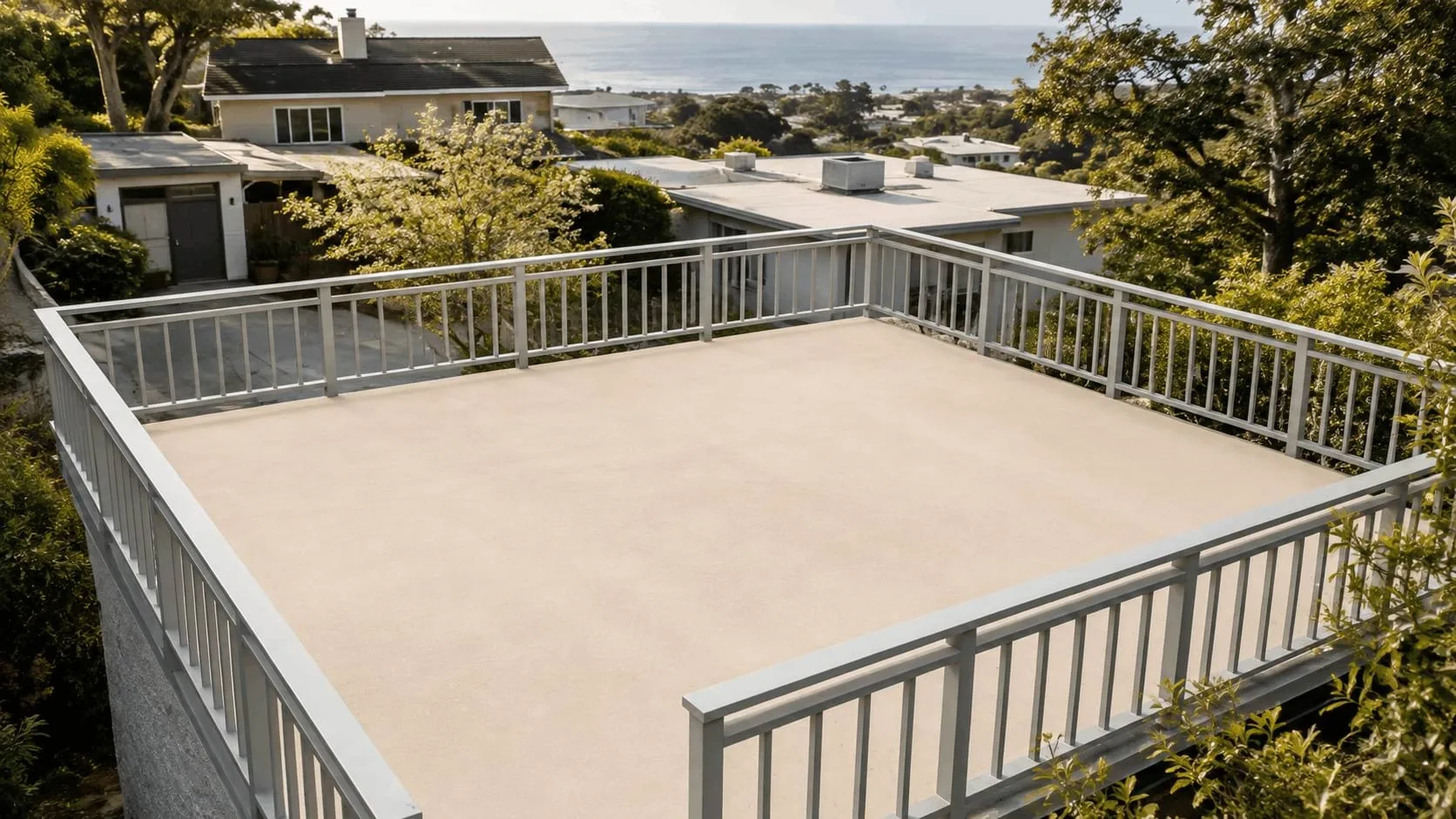
What You’ll Learn:
Essential steps and materials for waterproofing rooftops to prevent leaks and structural damage.
- The importance of proper drainage and regular inspections to maintain a long-lasting waterproofing system.
Different types of waterproofing membranes and their benefits for various roof types and climates.
Hidden Costs of a Leaky Roof
Picture this: a single leak on your rooftop could cost thousands of dollars in repairs, which is why investing in professional rooftop deck waterproofing in Orange County, CA is so critical. Research shows water damage is the leading cause of structural issues in commercial buildings, with estimates suggesting that the average repair can soar to $5,000. Even minor leaks can cause mold growth, damage insulation, and accelerate structural deterioration, turning a simple oversight into a financial nightmare. The longer you delay waterproofing your rooftop, the more costly the damage becomes. This isn't just about fixing a roof; it's about protecting your investment and your building's foundation.
Note: Prices are just examples and may not reflect actual costs.
Why Roof Waterproofing Membranes Matter
Roof waterproofing membranes form the first line of defense against water infiltration. These membranes create a continuous, watertight barrier that protects your building from leaks and moisture damage. Especially on flat or low-slope roofs with concrete surfaces or masonry construction, using the right waterproofing membrane is crucial to prevent water pooling and seepage. Understanding how waterproof deck coating protects against mold and mildew highlights just how essential this layer is for long-term protection. Investing in quality, resistant roof waterproofing membranes helps keep your property safe and structurally sound over time, protecting walls, joints, and the deck beneath.
Choosing the Best Waterproofing Products
Selecting the right waterproofing products is essential for effective roof protection. Options include:
Liquid-applied membranes – Flexible and seamless, these membranes conform to any roof shape and provide durable, long-lasting coverage.
Bituminous materials – Ideal for flat roofs, these materials offer excellent tensile strength and water resistance.
Waterproof coatings – Applied over various surfaces such as ceiling tiles, concrete, or masonry, these coatings add an extra waterproofing layer to protect against moisture and subsequent damage.
Choosing the right waterproofing products for your roof's needs ensures a long-lasting, resilient solution.
Understanding Waterproofing Materials
Waterproofing materials vary widely, including bituminous sheets, liquid coatings, and polymer-based membranes. Each material offers unique properties, such as high tensile strength, chemical resistance, and durability in extreme weather. For a deeper breakdown of your options, consulting a complete guide to professional waterproofing methods for homeowners and builders can help clarify the best approach. Selecting the appropriate waterproofing materials for your roof type and environment is essential to create a watertight seal and prevent water seepage through joints and vents.
Addressing Structural Issues Before Waterproofing
Before applying any waterproofing membrane, inspect and repair any structural issues. Cracks, loose material, and damage can compromise the waterproofing layer's effectiveness. Addressing these issues beforehand ensures the waterproofing membrane adheres properly and lasts longer, preventing future leaks and costly repairs. Pay special attention to areas prone to water accumulation, such as around vents and ceiling tiles.
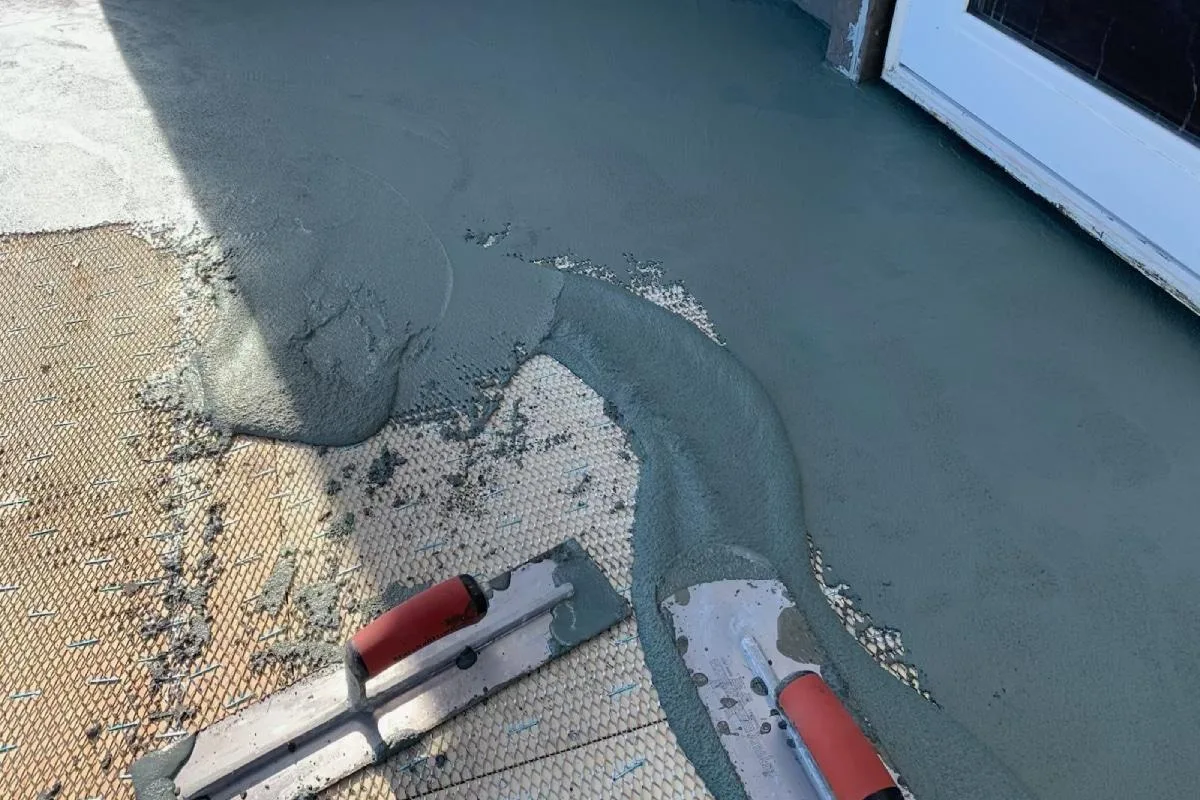
Steps for Effective Waterproofing Application
Proper application of waterproofing membranes and products is just as important as selecting the right materials. Follow these steps in the waterproofing process:
Inspect the roof thoroughly – Identify any structural issues, cracks, or loose material. Regularly inspect drainage systems to ensure natural flow and prevent standing water.
Clean the surface – Remove dirt, debris, and old coatings to ensure proper adhesion. Make sure the surface is clean and dry completely before proceeding.
Apply a primer coat – This enhances the waterproofing membrane’s durability and adhesion.
Apply the first coat of waterproofing membrane – Use a roller or spray for even coverage.
Allow to dry and inspect – Ensure the first coat is fully dry before proceeding.
Apply a second coat – Two coats provide a comprehensive waterproofing layer.
Ensure proper drainage – Verify that the roof’s design allows water to flow away efficiently to prevent standing water and ice dams.
The Importance of Proper Drainage
Proper drainage is essential to any waterproofing system's success. Without it, water can accumulate on the roof, increasing the risk of leaks and structural damage. Reliable waterproof deck solutions, paired with regular maintenance of gutters, downspouts, and drainage pathways, keep water moving away from the building and preserve the integrity of concrete surfaces and roofing tiles.
Advantages of Liquid Applied Systems
Liquid applied systems offer seamless waterproofing that adapts to complex roof shapes. Their flexibility accommodates thermal movement, reducing the risk of cracking. These systems are quick to apply and provide a durable, long-lasting waterproofing membrane that protects against harsh weather conditions.
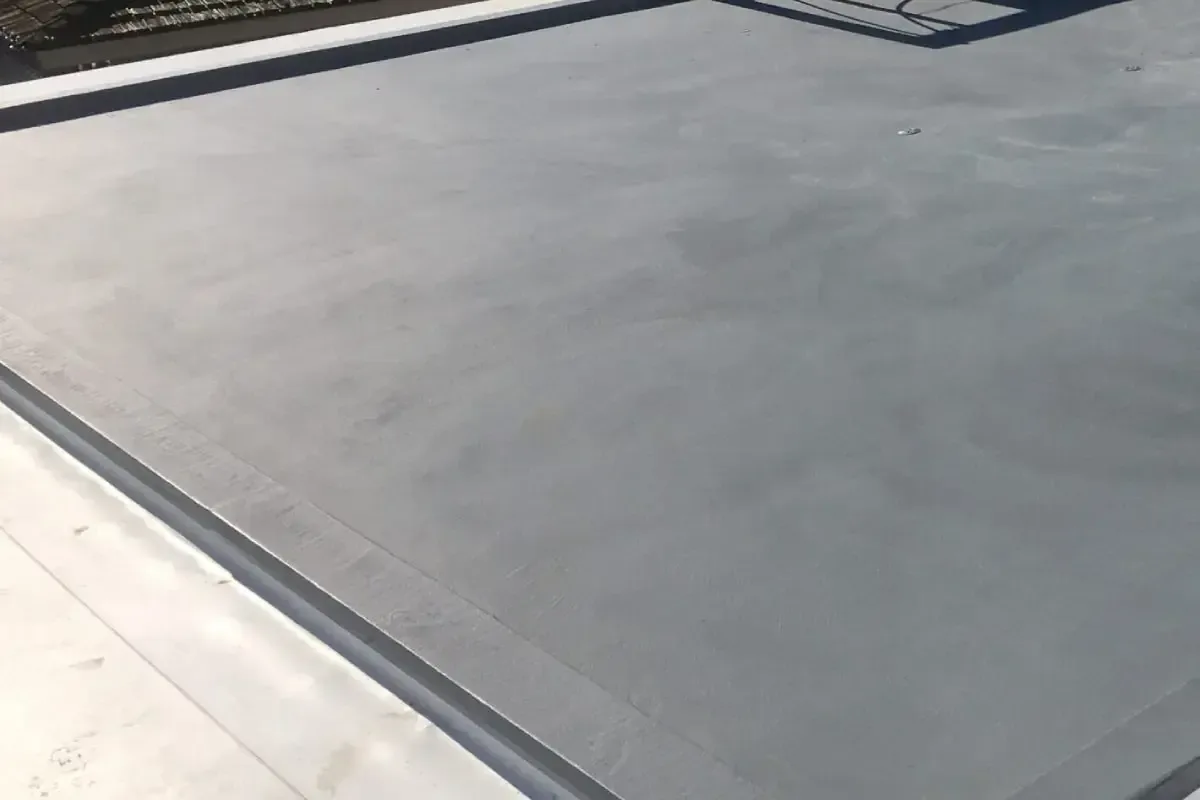
Liquid Applied Membranes: Benefits and Applications
Liquid-applied membranes are a popular waterproofing choice because they're easy to apply and form a seamless, watertight seal. These membranes are especially effective on uneven areas and complex roof geometries, providing excellent resistance to water seepage and long-term damage—making them a key component of effective tile deck waterproofing. Their chemical resistance and compatibility with various roof surfaces make them ideal for diverse construction needs.
Types of Waterproofing Membranes
Common types of waterproofing membranes include bituminous membranes, liquid-applied coatings, EPDM, TPO, and PVC membranes. EPDM is known for excellent weathering resistance and long service life, offering flexibility and UV resistance. TPO membranes are valued for their energy efficiency and reflective surfaces, while PVC membranes are recognized for chemical resistance and flame retardance. Bituminous membranes are ideal for low-sloped roofs, providing strong waterproof coating protection.
Regular Inspections for Longevity
Regular inspections are vital to maintaining your waterproofing membrane's integrity. Schedule inspections at least twice a year and after severe weather events to check for damage or blocked drainage. Early detection lets you make timely repairs, extending the life of your waterproofing system and saving you from costly repairs.
Reapply waterproofing every 2 to 3 years to maintain effectiveness and protect the top layer of your roof.
Success Stories That Inspire
Consider a commercial building in Miami that suffered from frequent leaks due to extreme weather. After installing a comprehensive waterproofing system with liquid-applied membranes and ensuring proper drainage, similar to the strategies outlined in this complete guide to roof waterproofing, the building saw a 90% reduction in water damage claims over five years. Similarly, a New York office building used bituminous materials on its flat roof, preventing leaks and improving energy efficiency. These examples show the effectiveness of high-quality, durable roof waterproofing membranes.
Common Concerns About Waterproofing Addressed
Is waterproofing really necessary?
Absolutely. Ignoring waterproofing can cause extensive structural damage, mold growth, and a drop in property value.
How long does waterproofing last?
With proper application and regular inspections, waterproofing membranes can last 10 to 20 years, depending on materials and environment.
Will waterproofing disrupt my business operations?
Most applications are quick and cause minimal disruption. Professionals often complete the work within a day.
Taking Action on Waterproofing
Don’t delay protecting your rooftop. Contact professionals specializing in roof waterproofing membranes to assess your building and recommend the best waterproofing products and strategies.
Comprehensive Guide to Roof Waterproofing
This guide covers everything from selecting the right waterproofing membrane to understanding the role of proper drainage and regular inspections. Following these best practices helps protect your roof from water infiltration and costly damage.
Frequently Asked Questions
What are the signs that my roof needs waterproofing?
Look for water stains, mold growth, or cracks in the roof surface and around joints.
Can I waterproof my roof myself?
While DIY options exist, professional application ensures a reliable, long-lasting seal.
How often should I inspect my waterproofed roof?
At least once a year, especially after severe weather events. Also, regularly inspect drainage systems and areas prone to water accumulation.