What You’ll Learn:
- The critical role of waterproofing in protecting outdoor tile decks from leaks and structural damage.
- Step-by-step guidance on selecting materials, preparing surfaces, and applying waterproof membranes for durable tile deck waterproofing.
- Maintenance tips and common issues to watch for, including leak testing and the importance of expansion joints, to ensure long-lasting outdoor living spaces.
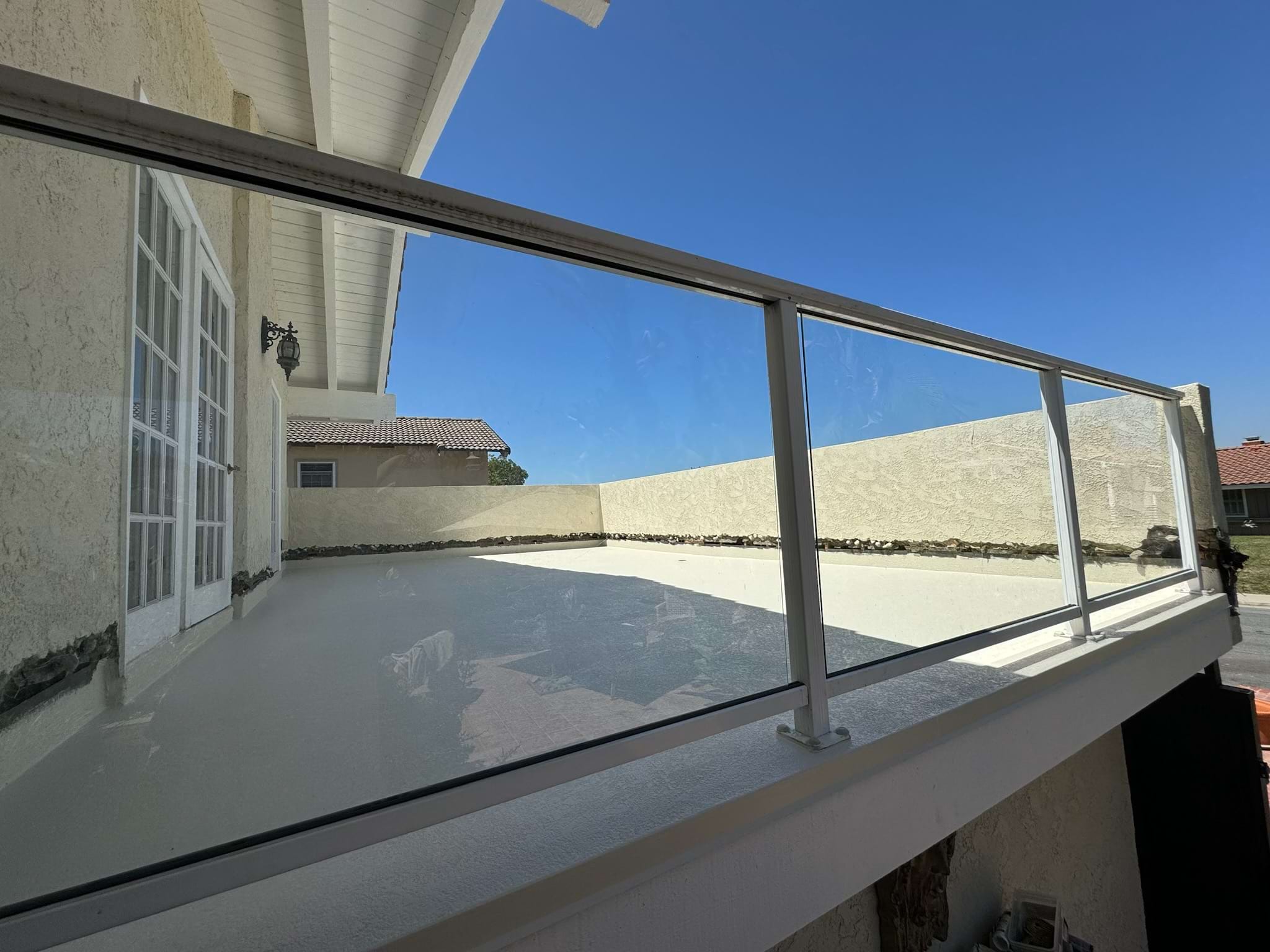
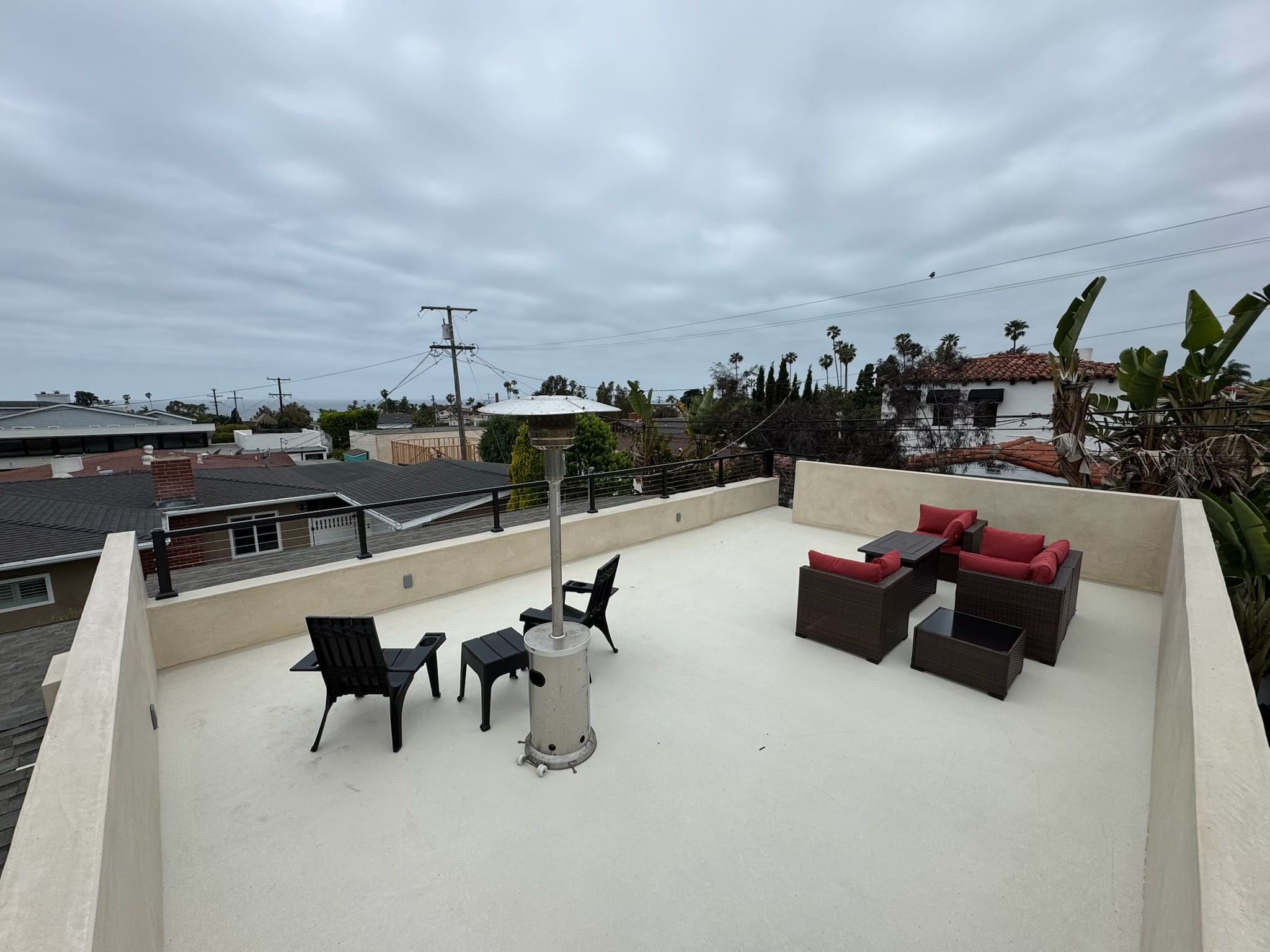
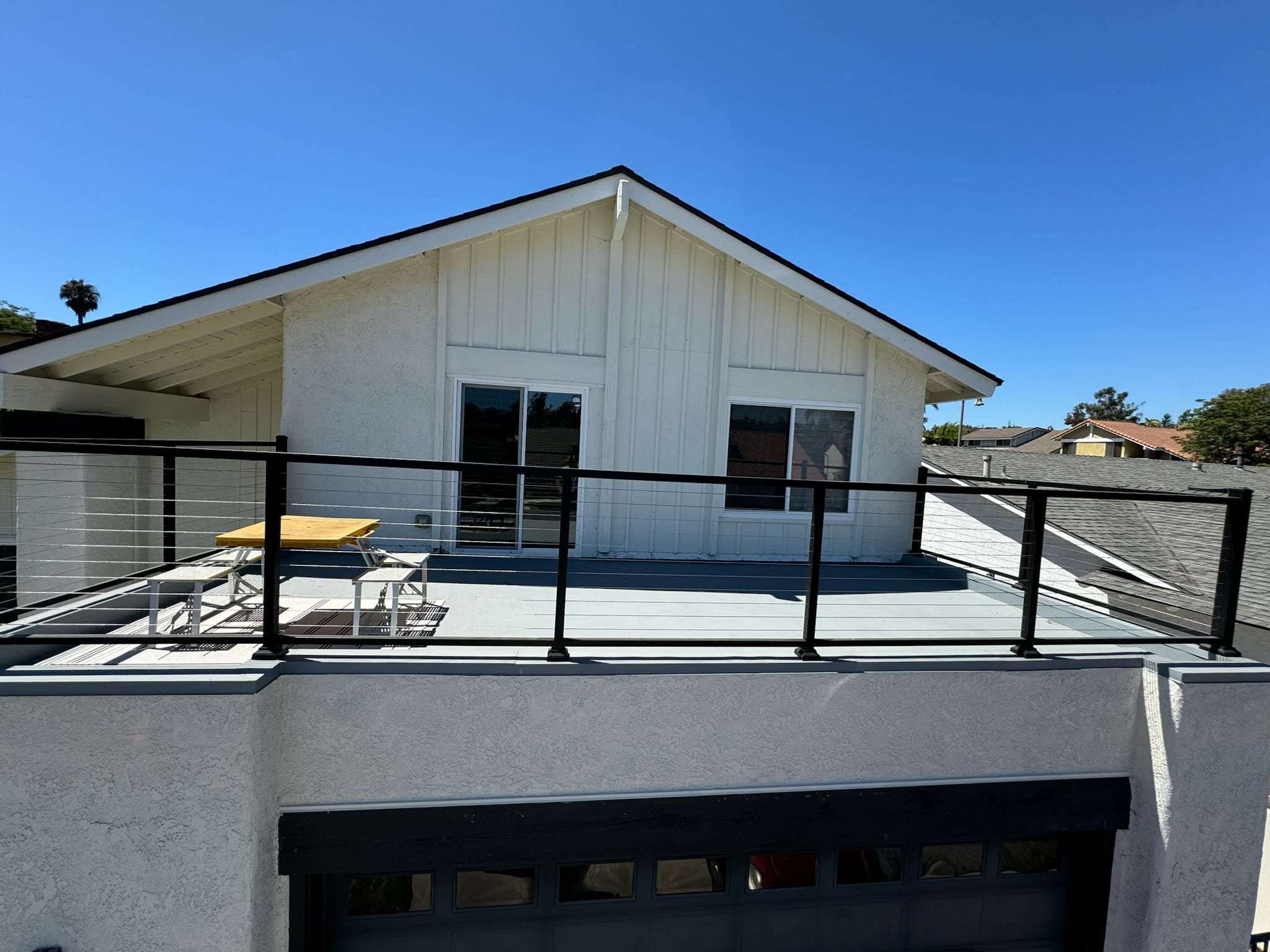
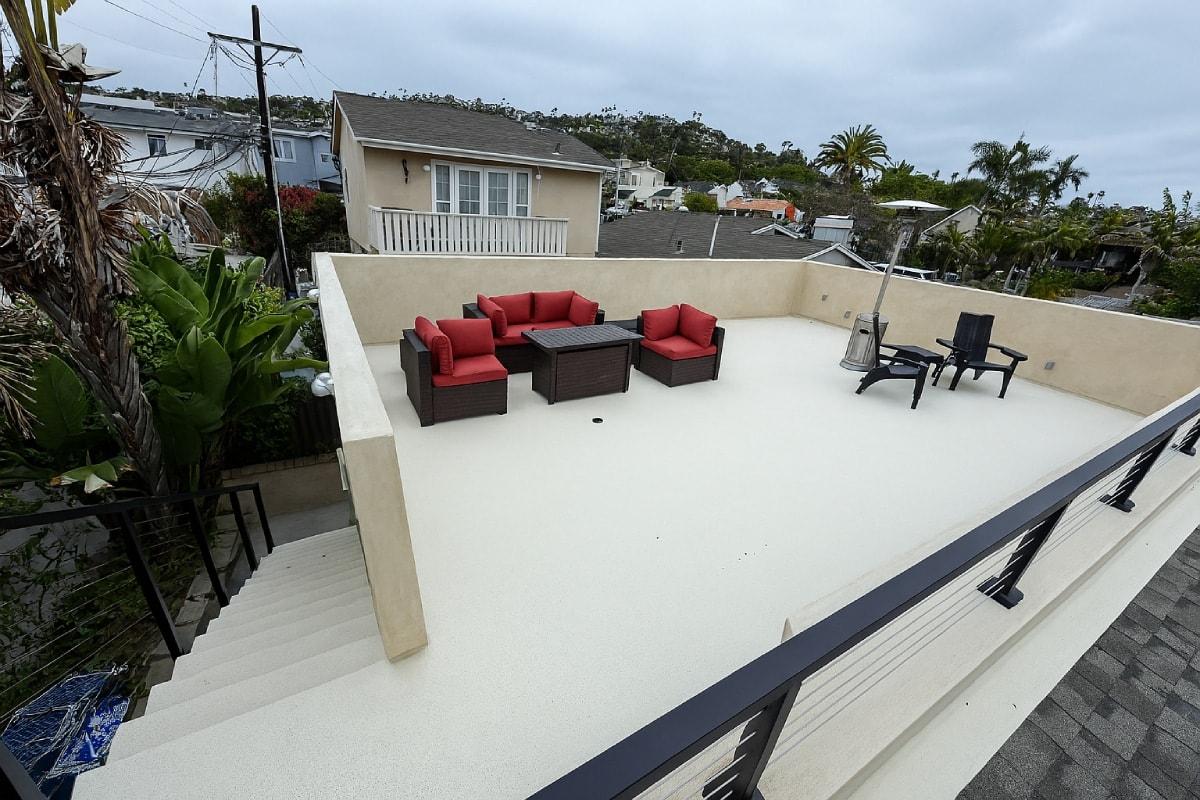
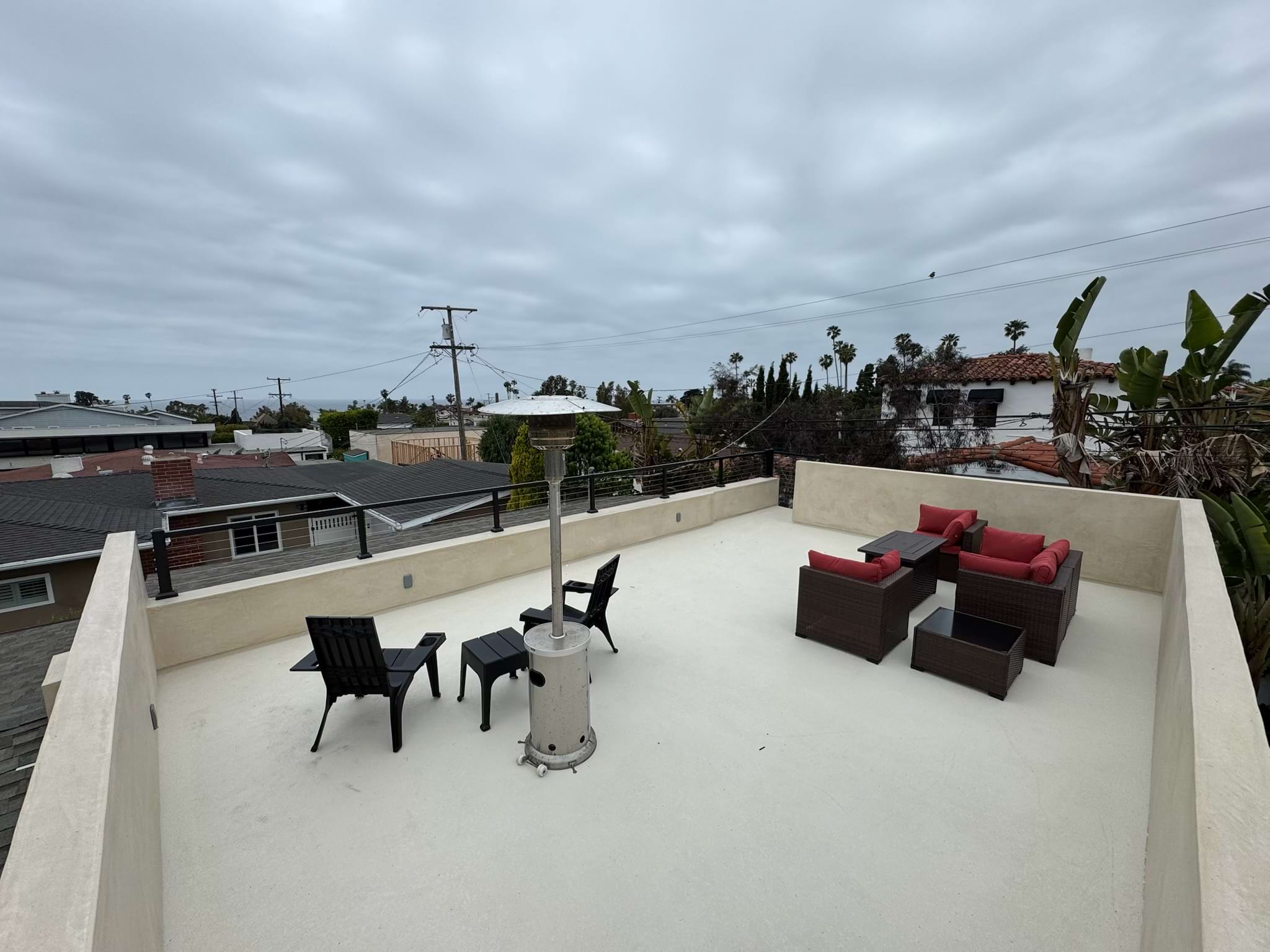
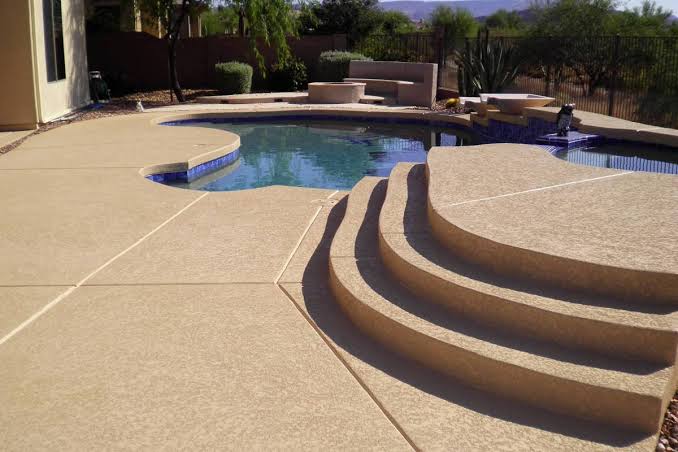
Imagine stepping onto your beautiful outdoor tile deck, only to find that what once was a luxurious living space has turned into a soggy mess. Tile deck waterproofing isn’t just an optional upgrade; it’s essential for preserving your outdoor oasis, especially in wet areas like patios, balconies, and showers. For homeowners seeking professional protection, investing in specialized deck waterproofing in Orange County, CA, ensures your deck remains fully protected against moisture damage.
Understanding the Importance of Tile Deck Waterproofing
Water can be a silent destroyer. Without proper waterproofing, your deck surface can suffer from tile deck leaks, leading to extensive damage over time. Using the right sealers for decks, or a complete waterproof deck system, protects not only the ceramic tile but also the underlying subfloor, ensuring durability and longevity. The minimum slope of 0.25 inch per foot (ft) is essential to direct water away and prevent pooling, which can cause failure.
Common Issues with Unprotected Decks
Without effective waterproofing, your outdoor living space can face numerous issues:
- Deck leaks: Water infiltration can lead to mold growth and structural damage, especially in areas with foot traffic, balconies, and access points.
- Expensive repairs: Ignoring the problem can lead to a complete deck replacement, costing thousands.
- Reduced property value: A damaged deck can lower your home’s appeal and market value.
According to the Tile Council, approximately 25% of homes in the USA experience significant water damage due to improper outdoor waterproofing. The cost of inaction can range from $5,000 to $25,000, depending on the extent of the damage.
Note: Prices are just examples and may not reflect actual costs.
How to Waterproof Your Tile Deck Effectively
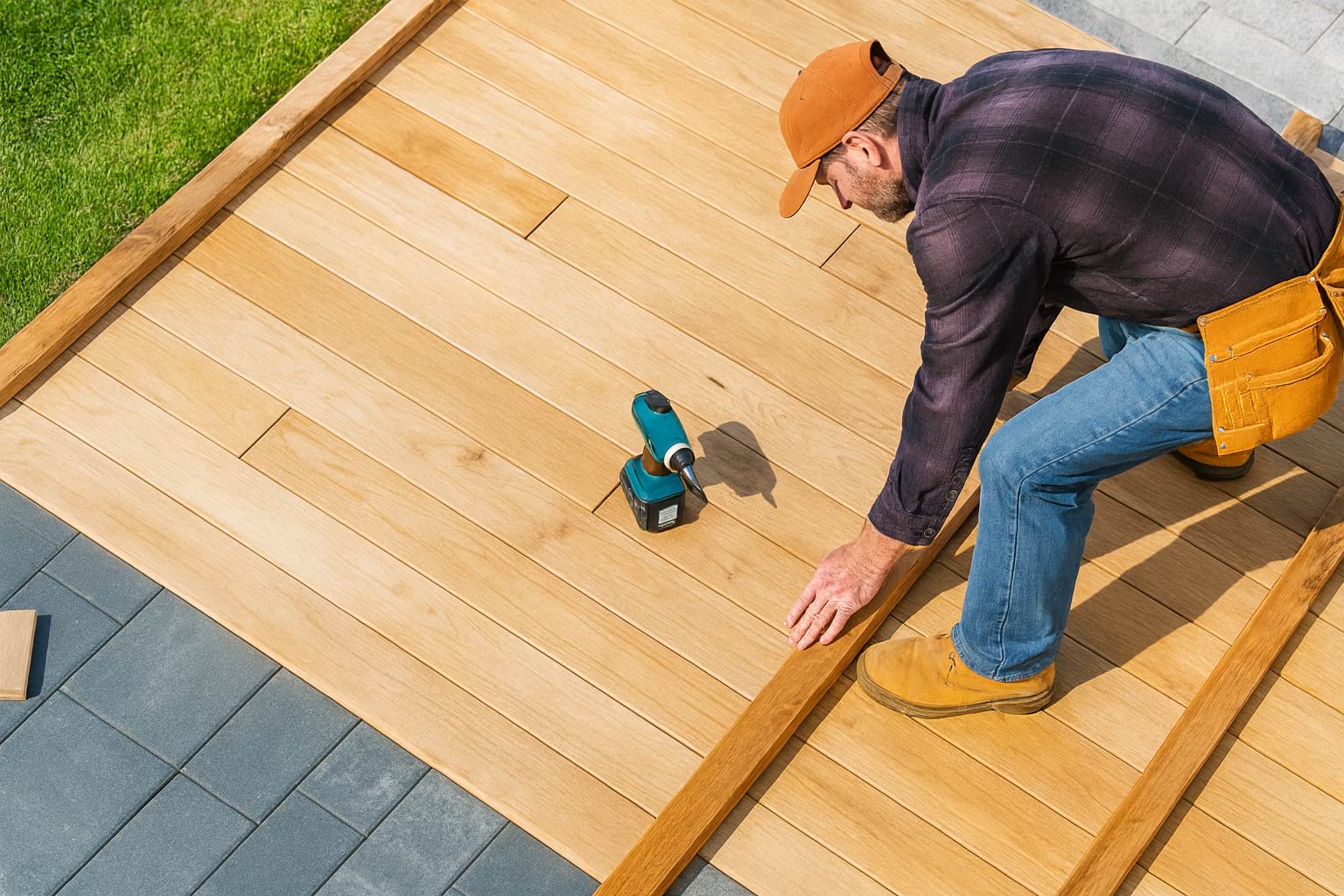
Implementing a waterproofing solution involves several steps:
- Choosing the right materials: Use high-quality waterproof membranes designed for exterior applications that meet ANSI A118.10 requirements.
- Preparing the surface: Ensure the deck surface is clean, dry, and free from any debris or holes.
- Installing expansion joints: These allow for contraction and movement, preventing cracking.
- Applying the waterproof membrane: Roll or coat the membrane, ensuring complete coverage over the sloping mortar bed.
- Sealing seams and grout: Flexible sealants should be used at movement joints instead of grout to prevent moisture penetration at these vulnerable points.
- Flood testing: Verify the integrity of the deck waterproofing before tile installation to ensure there are no leaks.
Consider this: a well-installed waterproof system can easily last over 20 years, offering peace of mind, saving you from costly repairs, and supporting the weight of foot traffic and furniture.
Expansion Joints Are Essential for Durability
Expansion joints play a vital role in maintaining the integrity of your waterproof deck by accommodating natural movements caused by temperature fluctuations and settling. Proper installation of expansion joints prevents cracking and tile deck leaks, ultimately extending the life of your outdoor tile installation, including stone installations. A good plan for expansion joint placement is critical to holding the system together during contraction and expansion cycles, much as structural engineering considerations are required when designing specialized decks for boats.
Waterproof Membrane: The Key Protective Layer
A waterproof membrane is the backbone of any effective tile deck waterproofing system. Applied over the mortar bed, this flexible, seamless barrier prevents water from penetrating the substrate, protecting the deck structure from moisture damage and potential tile deck leaks. Liquid-applied membranes create a seamless barrier, while cementitious systems are suitable for decks with significant movement. These thin membranes add protection without adding bulk, making them ideal for tile decks.
Mortar Bed Preparation Foundation for Waterproofing
A properly sloped mortar bed is crucial before applying the waterproof membrane. It provides a stable, even surface for tile installation and directs water toward drainage points, preventing pooling and reducing the risk of leaks. Ensuring the mortar bed is properly prepared is foundational to a long-lasting, waterproof deck and helps manage water flow effectively.
Maintenance and Leak Testing
Regular maintenance is essential to prolong the life of your waterproof tile deck. This includes inspecting grout and sealant joints annually, especially on balconies and around door thresholds, where leaks are common. Understanding what the most common causes of rooftop deck leaks are can help you spot these problem areas early during inspections. Leak testing, such as diagnostic deck water tests and flood testing, helps identify actual leak locations and verify the effectiveness of waterproofing corrections. Water testing after repairs is crucial to ensure no leaks remain and protect your interior spaces from damage.
Real-World Success Stories
Take, for example, the case of a homeowner in Florida who neglected waterproofing. After several seasons of heavy rain, they faced leaks and a $15,000 repair bill. In contrast, another homeowner in California spent just $2,500 on waterproofing and enjoyed their tile deck without worry for over a decade. This fact underscores the importance of proper waterproofing programs for outdoor spaces, regardless of your country.
Note: Prices are just examples and may not reflect actual costs.
Addressing Common Concerns
Many homeowners hesitate about waterproofing for various reasons. Here are common objections and their solutions:
It seems too expensive.
While upfront costs may appear steep, consider the long-term savings. Investing in waterproofing now can save you from costly repairs down the line.
I can do it myself to save money.
DIY projects can lead to mistakes. Hiring professionals ensures the job is done correctly, safeguarding your investment and ensuring access to the right materials and techniques.
What if it doesn’t work?
Quality materials and professional installation significantly reduce this risk. Many manufacturers offer warranties, providing additional peace of mind. If you’re thinking about waterproofing, learn from experts to avoid common pitfalls.
Taking Action on Your Waterproofing Project
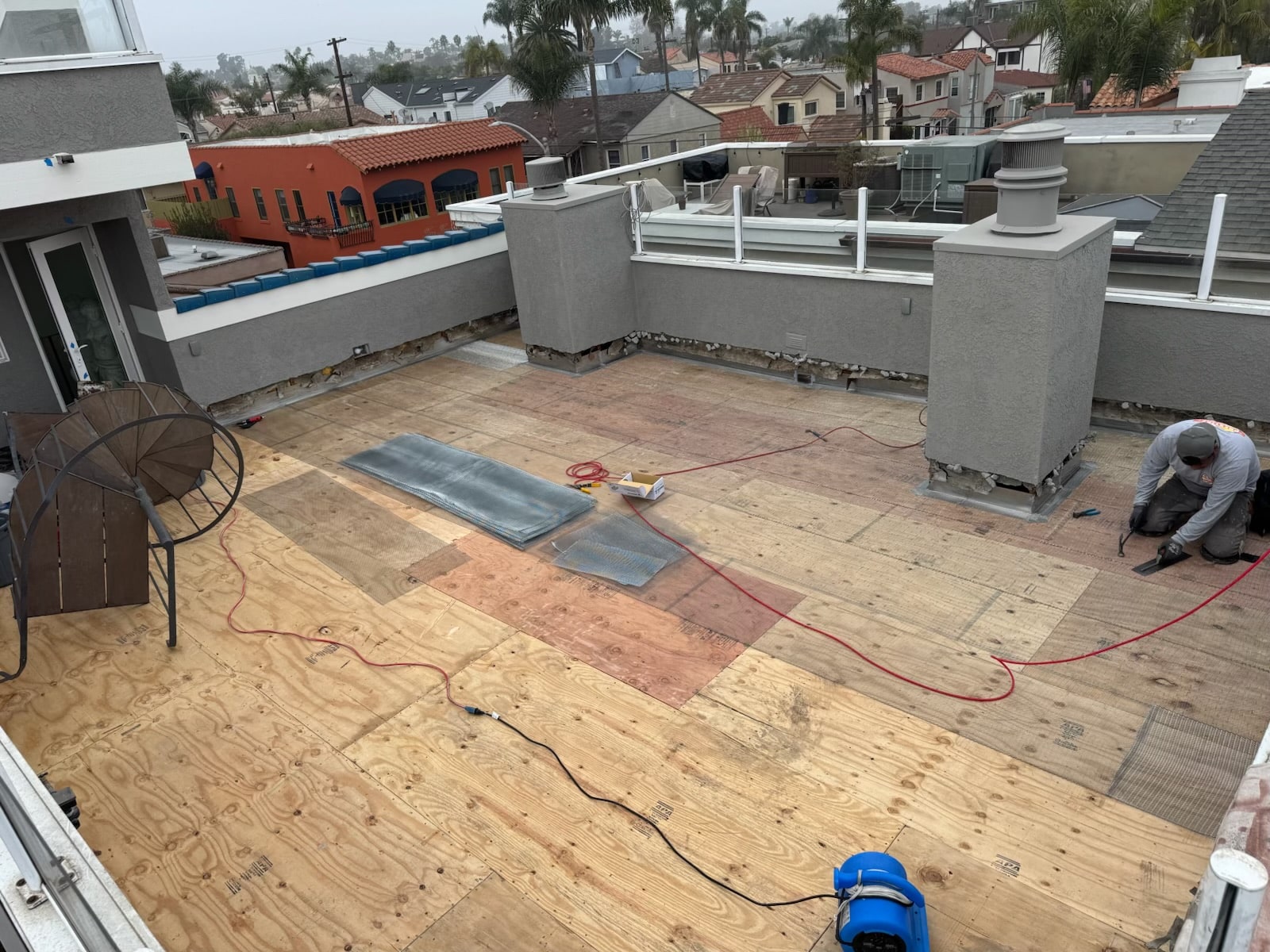
Delaying action on tile deck waterproofing can lead to costly repairs and a lower quality of life. The sooner you act, the better protected your outdoor living space will be. If you want to apply the right waterproofing solution without trial and error, book a consultation with our waterproofing experts today. We agree that professional guidance is key to a successful waterproofing project.
Tile Deck Leak Causes and Prevention
Inadequate waterproofing, defective membranes, or poor drainage are often the cause of a tile deck leak. Leaks commonly occur at critical points such as drains, wall intersections, balconies, and deck edges. Addressing these areas with proper waterproofing materials and sealants is essential to prevent water intrusion and subsequent damage. Sealant application under door thresholds and around screws can hold water out and improve durability.
Waterproof Deck Building to Standards
Constructing a waterproof deck requires adherence to recognized standards, including the use of polymer-modified thinset mortar, fabric reinforcement at seams and corners, and installation of flexible sealants at movement joints. A waterproof deck with a seamless barrier beneath the tile layer ensures maximum protection against water damage and prolongs the lifespan of your outdoor tile installation. Additionally, applying a penetrating sealant annually to deck tiles helps prevent water stains and saturation, maintaining the deck’s appearance and integrity. For specialized framing and structural details, exploring high-quality DekTek tile waterproof applications can provide further guidance on setting up a durable underlayment system.
FAQs About Tile Deck Waterproofing
Q1: What types of tiles are best for outdoor decks?
Ceramic, porcelain, and natural stone tiles are popular choices for outdoor decks because they offer excellent durability and weather resistance. Selecting tiles rated for exterior use helps ensure long-lasting performance in changing outdoor conditions.
Q2: How do I know if my deck needs waterproofing?
Signs that your deck may need waterproofing include cracked or loose tiles, water stains, mold or mildew growth, moisture beneath the surface, or persistent leaks. Addressing these issues early can help prevent more extensive structural damage.
Q3: Is waterproofing a DIY project?
While some waterproofing products are suitable for DIY applications, professional installation is often recommended for tile decks. Proper surface preparation, membrane installation, and sealing are critical to achieving reliable, long-lasting waterproof protection.