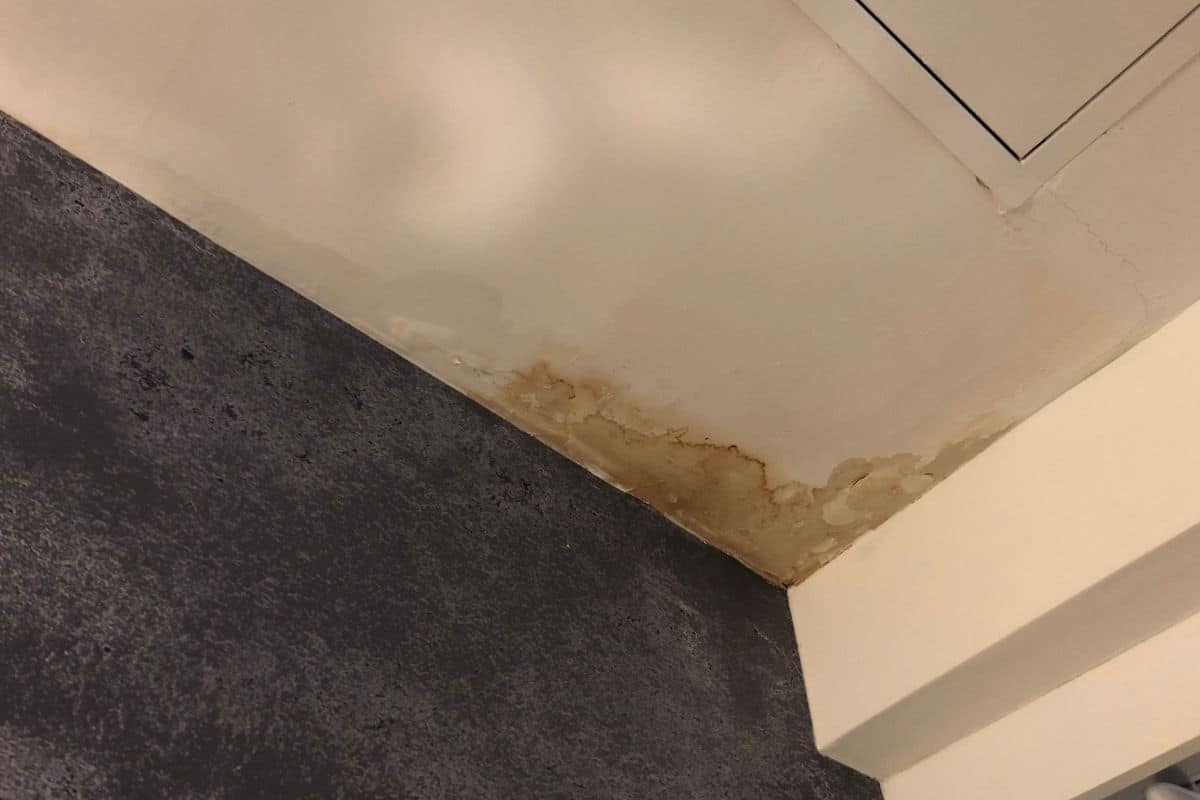
What You’ll Learn:
- The most common causes of rooftop deck leaks and how to identify them early to prevent costly damage.
- Essential waterproofing systems and installation steps to protect flat roof decks from water infiltration and structural issues.
- Practical maintenance tips and repair strategies to ensure your rooftop deck remains durable, safe, and enjoyable as an additional outdoor living space.
Flat Roof Considerations for Rooftop Deck Waterproofing
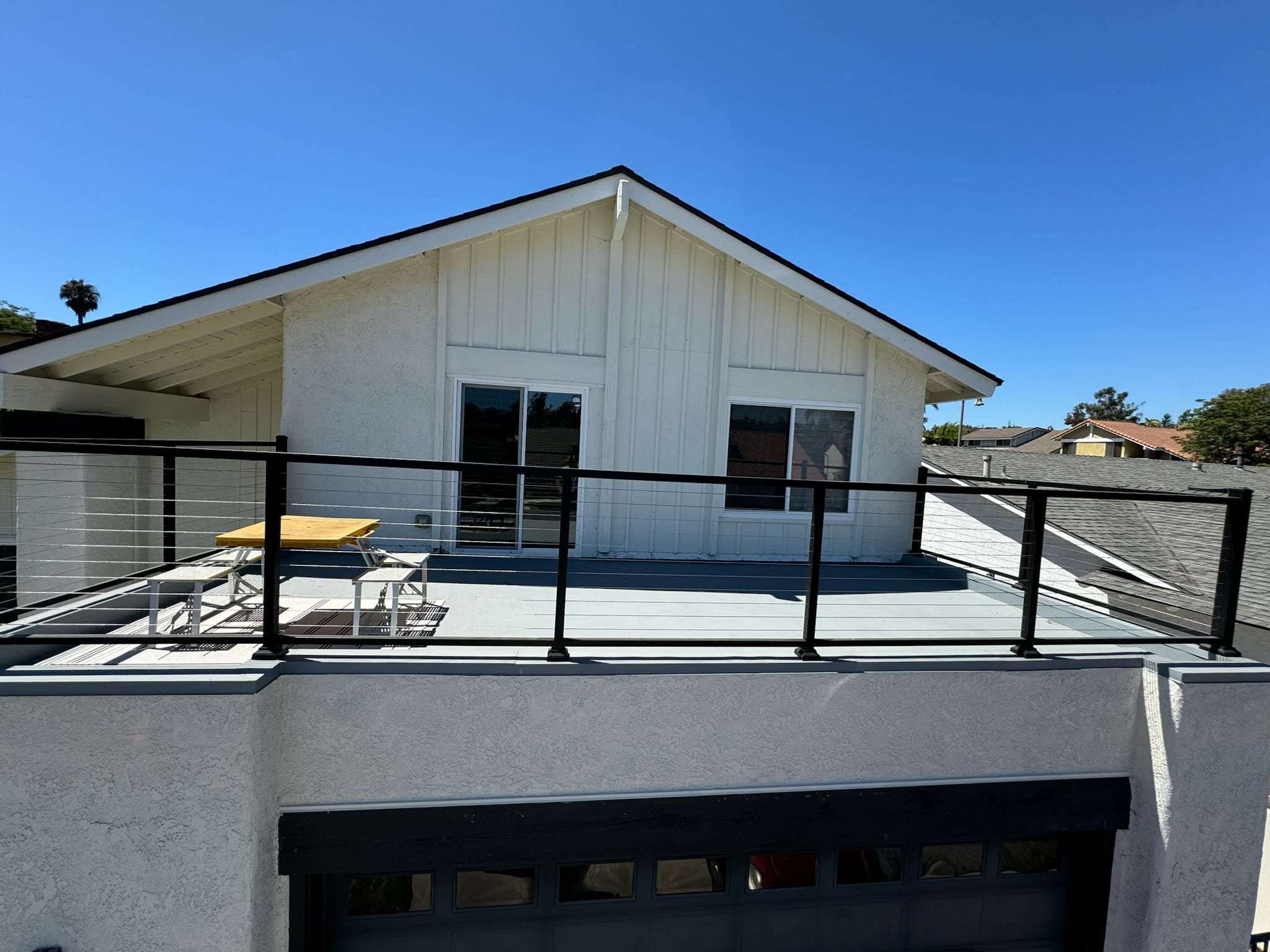
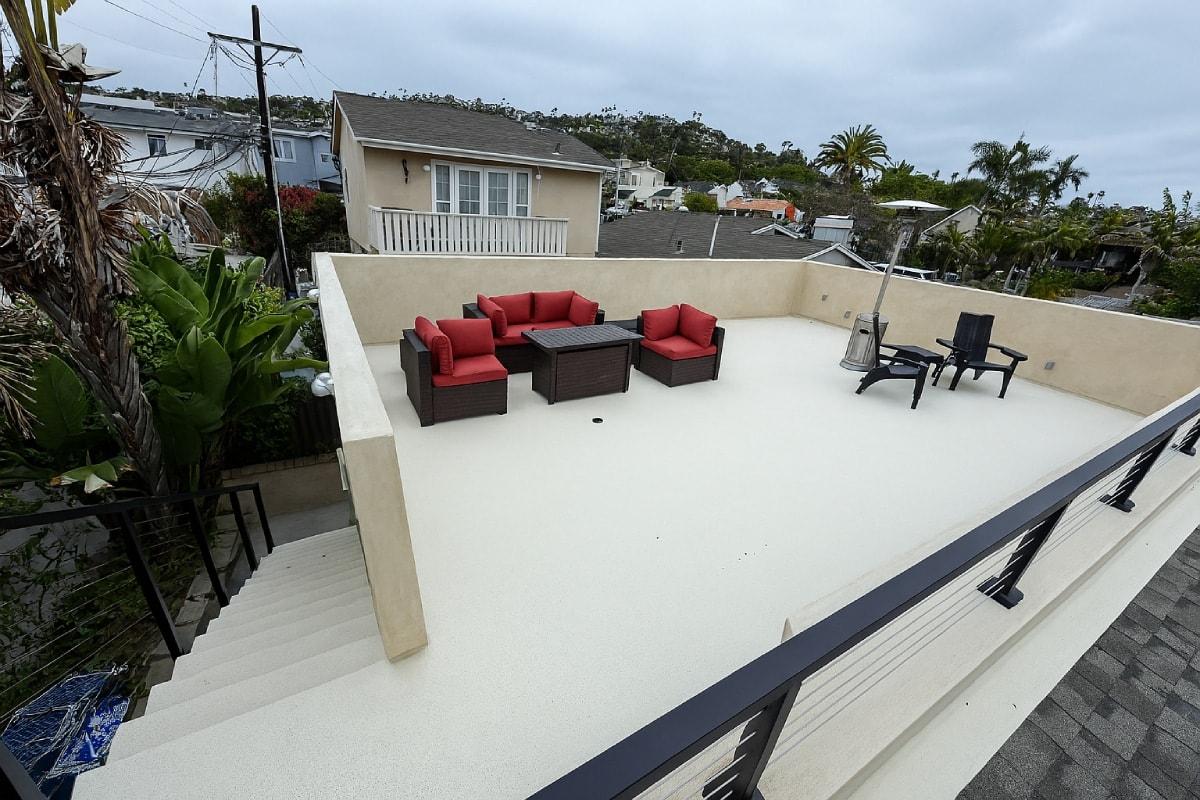
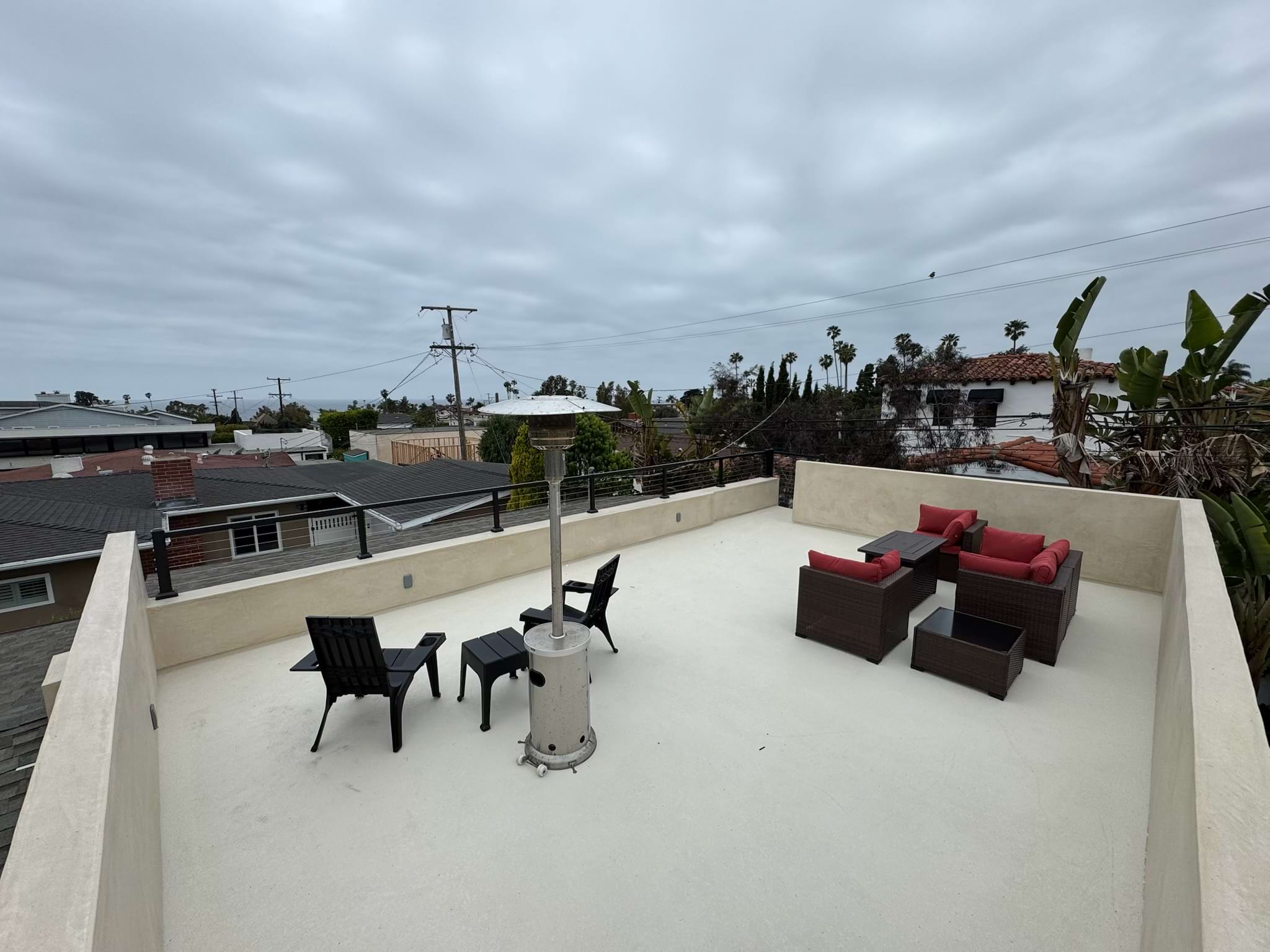
Flat roofs, which often serve as the base for rooftop decks, require special attention because of their low slope. This flatness can cause water to pool, increasing the risk of leaks and damage. Proper waterproofing systems and drainage solutions are essential to keeping flat roof decks dry, safe, and durable over time. Professional rooftop deck waterproofing in Orange County, CA, can help address these challenges with the right system and installation.
Signs your rooftop waterproofing is failing
One in four rooftop decks shows water damage within five years if they aren’t protected. It’s not a guess; it’s a pattern I see across projects, from small residential balconies to large flat-roof terraces. If you use your roof deck as additional outdoor living space, leaks aren’t just an annoyance; they’re an open invitation to rot, structural damage, and a major renovation bill. Want to avoid that?
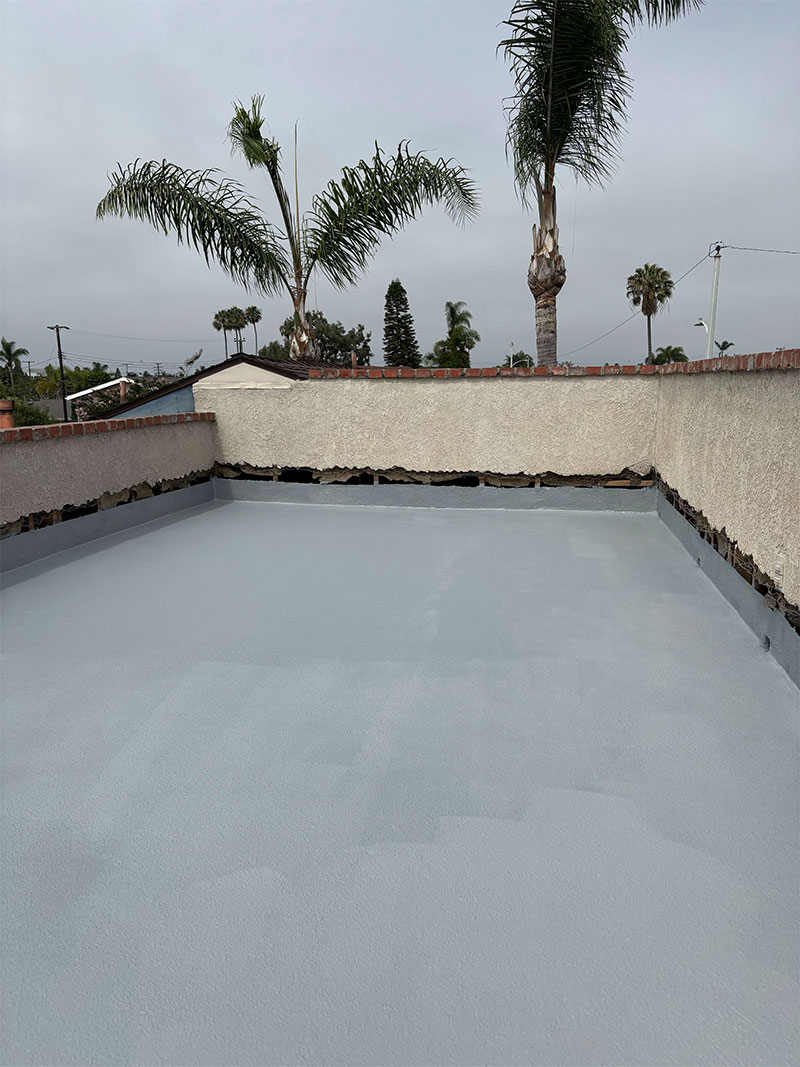
Sources of rooftop deck leaks
Leaks rarely show up where you spot the water. They begin at weak points in the waterproofing or where different materials meet. The usual trouble spots are movement joints, drains, transitions to balconies, and poorly detailed tile or pavers over a membrane. To better understand these issues, review the most common causes of rooftop deck leaks. Know these sources, and you’ll cut risk fast.
Waterproofing Systems Essential for Long-Lasting Roof Decks
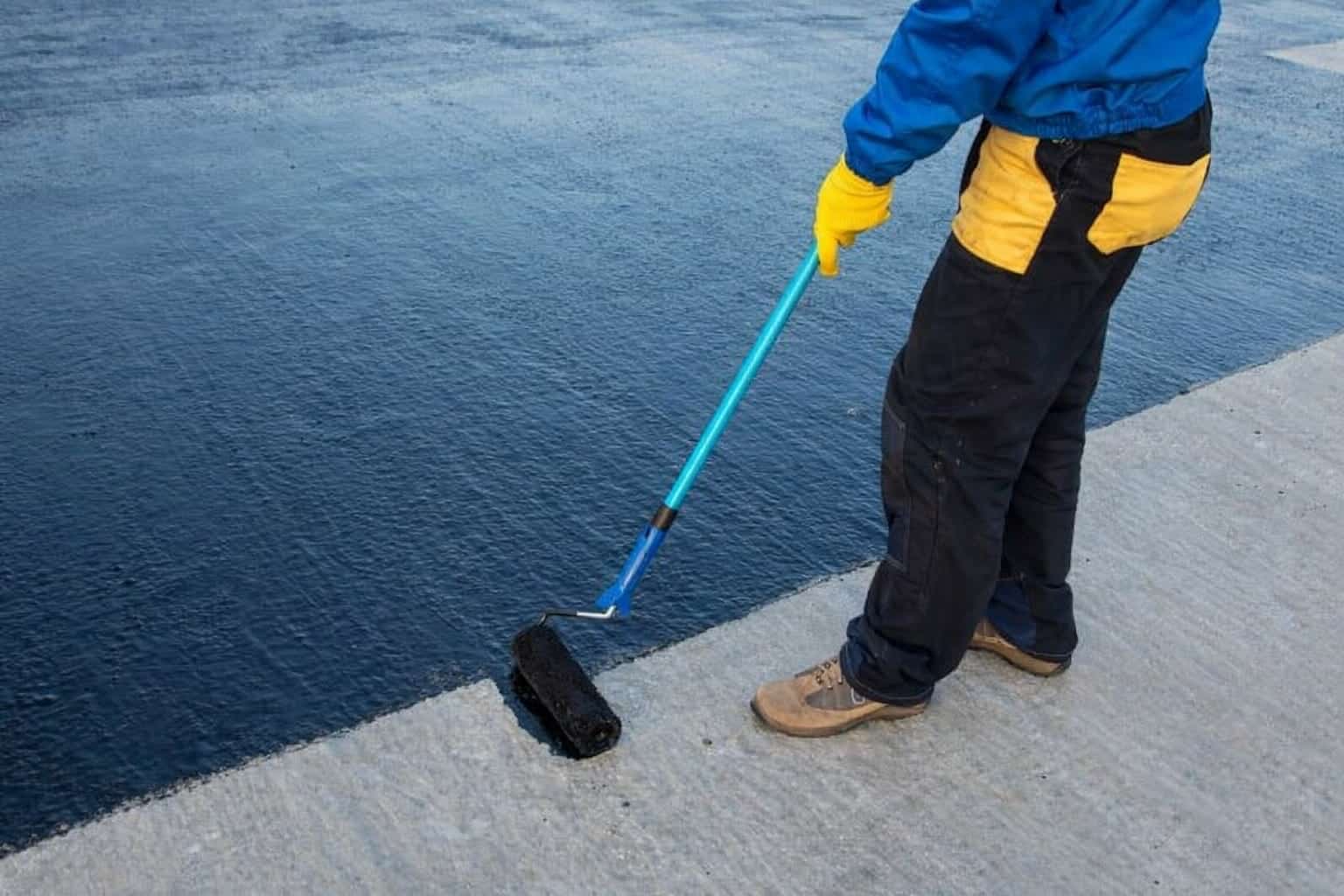
Choosing the right waterproofing system is critical for protecting your rooftop deck from the elements and foot traffic. Waterproofing systems include liquid-applied membranes, sheet membranes, coatings, and protective layers designed to create a continuous barrier that prevents water infiltration and withstands wear and tear.
Common causes that create leaks
Here are eight everyday waterproofing problems you’ll encounter on residential and commercial rooftop deck projects.
- Poor drainage and flat slope, Flat decks or decks with too little slope typically trap water. Standing water accelerates coating and substrate wear and encourages algae under tiles, which can compromise rooftop deck waterproofing.
- Clogged drains, scuppers, and gutters. Leaves and debris block the flow. Drains not designed for foot traffic fail when pavers are installed over them, thereby affecting the effectiveness of rooftop deck waterproofing.
- Improper membrane installation, Membranes laid over an unstable substrate, or membranes installed without the correct seams will crack at movement points, leading to rooftop deck waterproofing failure.
- Poorly detailed transitions and joints where a deck meets walls, roof penetrations, or balconies, and installers sometimes skip flashings or approved sealants required by code.
- Incompatible materials and coatings. Paint alone isn’t a waterproofing solution. Installing tile without an approved underlayment or using a coating that can’t handle foot traffic leads to failure.
- Paver and tile installation errors, Laying pavers directly on membrane concentrates point loads and can puncture the waterproofing. Stone and tile require proper bedding and drainage planes.
- UV and weather degradation, Materials not rated for sun and weather will crack and let water through, especially on flat surfaces.
- Neglected maintenance, skipping routine checks for cracks, blocked drains, or failed sealants, turns small repairs into structural problems. Foot traffic and shifting furniture create wear points that need watching.
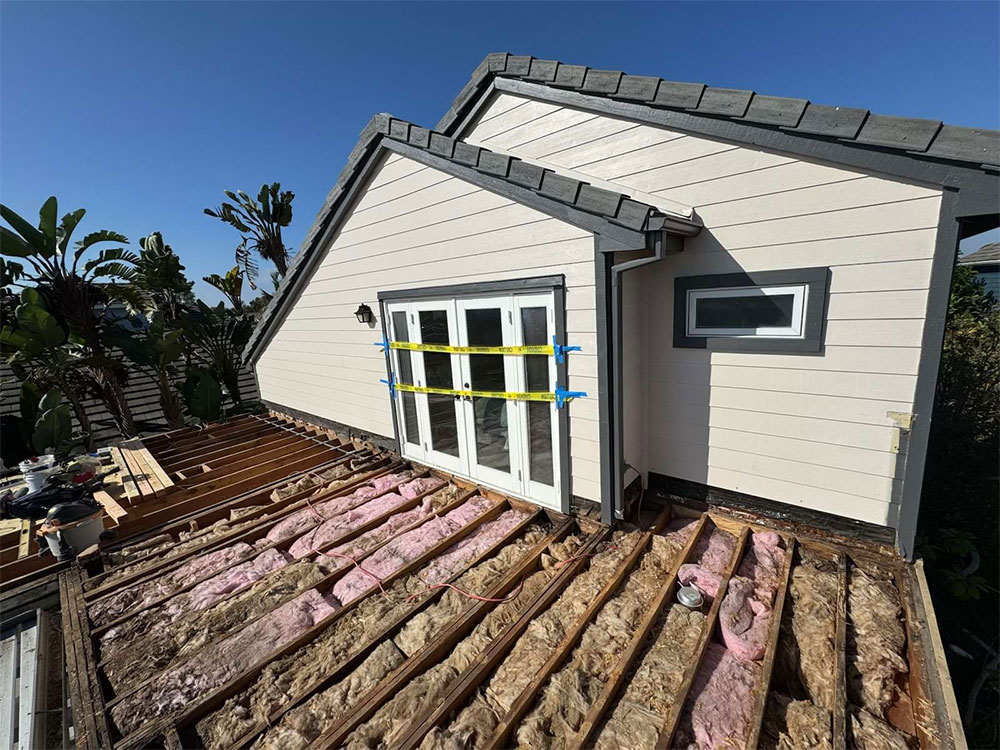
Real repair cases that show the cost of delay
Case study 1: Rivera townhouse rooftop, San Diego. Homeowner Maria Rivera ignored pooling on her deck for two seasons. The leak began as a hairline crack under the tile, then rotted the substrate. Repair cost: $21,400, three weeks of disruption, and a temporary loss of outdoor living space. After a professional deck waterproofing system was installed and approved by a certified waterproofer, the family got their usable space back and avoided a structural rebuild. Learn more about the right sealers for decks to help prevent issues like this in the future.
Case study 2: Miller Penthouse, Miami. Developers installed pavers over a membrane but skipped proper drains and scuppers. Within a year, heavy rains caused leaks into the living room below. The cost to remove pavers, replace the membrane, and reinstall stone was $48,000, plus $6,800 in lost rental income during repairs. The owner switched to a reinforced membrane system and a mandatory maintenance plan.
Note: Prices are just examples and may not reflect actual costs.
Financial and practical cost of delaying repairs
Delay repairs or skip proper installation, and you’ll face:
- Escalating repair bills, a surface patch can be a few hundred dollars; membrane replacement runs $4,000 to $12,000; full structural repair can exceed $40,000.
- Loss of living space, downtime ranges from days to months, costing enjoyment and possible rental revenue.
- Hidden damage: water migration causes rot and mold in ceilings and walls, increasing health risks and the scope of repairs.
Note: Prices are just examples and may not reflect actual costs.
Step-by-step fixes that protect your deck
You want a method that stands up to weather, foot traffic, and the heavy furniture you love. Follow these steps to reduce risk and keep your roof deck reliable.
- Inspect drains, scuppers, and gutters and clear debris. Check drains after a storm.
- Confirm slope and drainage. Add a taper or re-slope the substrate so water flows to drains.
- Choose an approved waterproofing system suited to your deck surface and use, whether tile, stone, or pavers. Hire a professional who understands code requirements and substrate needs, and learn how a waterproof deck coating protects against mold and mildew to extend your deck’s lifespan.
- Install a continuous membrane with proper flashings at every transition, balcony, and roof penetration. Include a wear coating or a protection board under pavers.
- Use perimeter drains or scuppers rated for heavy loads, and tie them into the building drainage system. Test flow before final finishes go down.
- Schedule yearly maintenance: clean gutters, inspect sealant joints, and check for cracks in coatings, ideally in spring and fall.
Follow those steps, and you’ll cut risk, extend service life, and make your rooftop deck a dependable part of your home.
Top objections and clear answers
“I’ll save money by doing it myself.” DIY often costs more in the long run. A misapplied membrane or the wrong coating may last months, not years. Pros save time and prevent repeat work.
“This will ruin my furniture and disrupt my life.” Proper installers protect furniture, stage the work, and minimize disruption. Many residential decks finish in about a week.
“Warranties are confusing and useless.” Choose a contractor who provides an approved system with a written warranty and a maintenance plan. Warranties usually require annual inspections to maintain the warranty and your investment.
Next steps to secure your rooftop deck
Ready to skip trial and error? Book a consultation with Prestige Decking. A certified waterproofer will inspect your deck, document substrate and drains, and provide a written plan aligned with code requirements. You’ll get a clear price, a timeline, and an explanation of how the waterproofing system will handle foot traffic, furniture, and weather, plus you can review this complete guide to professional waterproofing methods for homeowners and builders to better understand the process.
Taking that step moves you from guessing to a guaranteed approach that prevents future leaks, cuts repair risk, and protects your home. Waiting only raises cost and the chance of hidden structural damage, so act now.
After-call expectations and timeline
After you book a consultation with Prestige Decking, expect a 30 to 60-minute on-site evaluation, a written proposal within 48 hours, help with permits if needed, and scheduling within 2 to 4 weeks, depending on the season. The job includes substrate prep, approved membrane installation, proper drain and scupper detailing, and a durable top coating or protective layer for pavers and tile. For a deeper look at common issues, review these rooftop deck leaks and common failures. A clear scope and timeline remove friction and reduce your risk.
Frequently Asked Questions
How quickly do rooftop deck leaks get worse?
Leaks can go from minor to severe in a single rainy season if standing water or poor drainage exists. Small cracks allow water into the substrate, and every storm expands the damage.
Can I use paint as a waterproofing coating
Paint is rarely a complete waterproofing solution. Use a coating designed for rooftop decks and compatible with your substrate and finish, whether stone, tile, or pavers. Approved waterproofing systems protect the structure and meet code requirements.
Do pavers cause leaks more often than tile?
Pavers and stone are fine when installed over the correct protection board and drainage plane. Problems occur when pavers are installed directly on the membrane, creating point loads that can puncture the waterproofing membrane.
What maintenance does a roof deck need
Annual checks of drains, sealant joints, and coatings are essential. Clean gutters, remove debris, and test scuppers after heavy rains to prevent pooling and leaks.
Is a professional always necessary for rooftop deck waterproofing
For any rooftop supporting living space or heavy foot traffic, a professional is recommended due to code requirements, structural risks, and warranty needs. Certified pros match materials and systems to site conditions and intended use.