What You’ll Learn:
- How waterproof deck coating protects your deck from mold, mildew, and water damage by creating a durable, flexible waterproof membrane with superior performance.
- The essential surface preparation and application steps to ensure proper adhesion and long-lasting protection for wood, concrete, and plywood decks.
- Real-world examples, product comparisons, and maintenance tips to help you choose the right waterproofing system and extend the life of your outdoor spaces.
What if a single protective layer could save you thousands of dollars, weeks of repair work, and the embarrassment of a moldy outdoor space? Waterproof deck coating does exactly that when you pick the right system and apply it correctly. If you care about your wood deck, plywood deck, roof deck, pool deck, or balcony, keep reading. You’ll learn why a waterproof membrane or liquid-rubber deck system is essential, how it prevents mold and mildew at the source, and the exact next steps to protect your property. Professional deck waterproofing in Orange County, CA, ensures the right system is selected and applied for long-term durability and protection.
Why mold attacks decks and the real cost
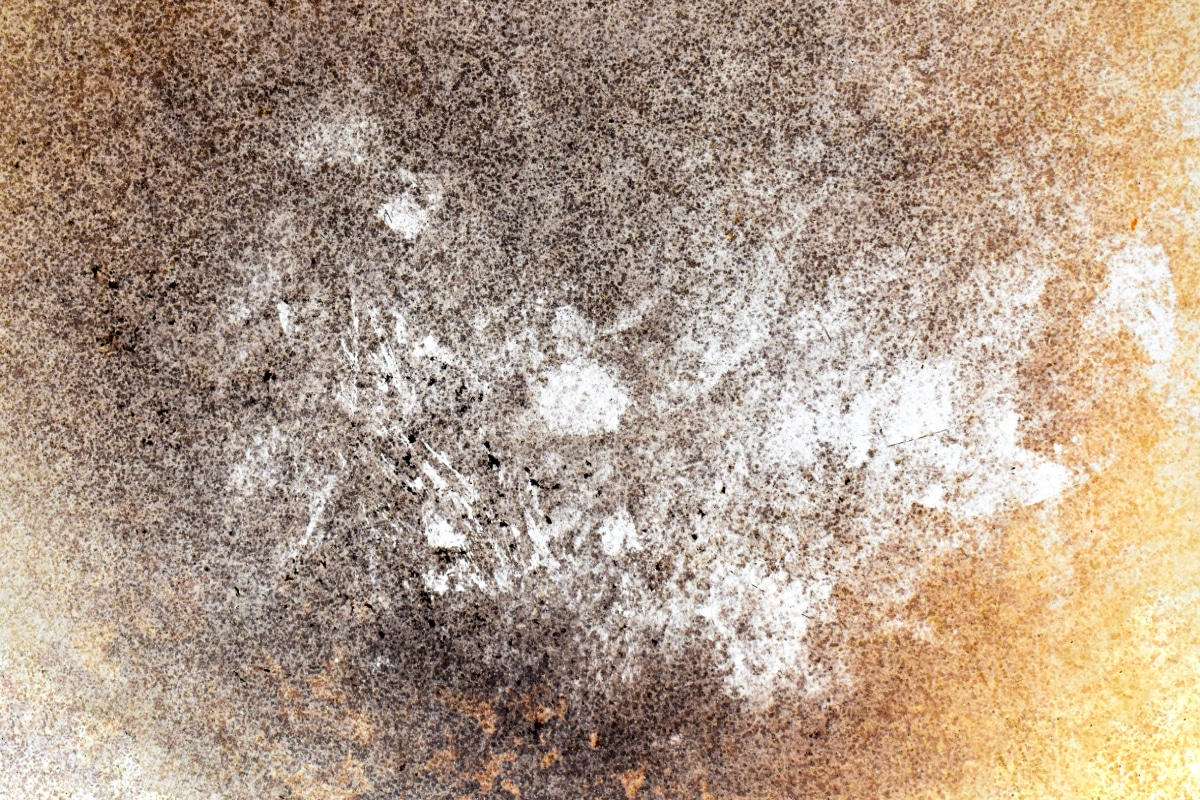
Mold and mildew take hold when moisture meets organic material, and ventilation is poor. Wood deck boards, plywood surfaces, and even concrete patios can become hosts. Water intrusion through hairline cracks, worn paint, or damaged waterproofing allows spores to land, feed, and form visible colonies in as little as 48 hours under warm overnight temperatures. Surprising, right?
The cost of inaction is concrete. Left untreated, an old deck can develop rot that costs $1,200 to $6,000 to repair, depending on the square footage and whether plywood needs to be replaced. For commercial properties like hotels with pool surrounds and heavy foot traffic, mold-related closures or remediation can cost tens of thousands of dollars plus lost bookings. Home sellers can see appraisals drop 7 to 10 percent when mold or visible water damage appears on balconies or elevated surfaces.
Note: Prices are just examples and may not reflect actual costs.
Your decision is simple: pay now for a waterproofing solution that prevents mold and avoids structural damage, or wait and pay many times more in labor, plywood replacement, a full deck system overhaul, and lost time while replacement lumber acclimates. Waiting also reduces resale value and creates safety hazards that invite liability claims. It’s a preventable risk, and understanding how waterproof deck coating protects against mold and mildew can help you make the right decision before damage escalates.
Understanding Plywood Surfaces in Deck Waterproofing
Plywood surfaces are common in many deck systems and require special attention during waterproofing. Due to their layered construction, plywood can absorb moisture, leading to swelling and rot if not properly sealed. Applying a waterproof membrane specifically designed for plywood surfaces ensures long-lasting protection and prevents water intrusion beneath the deck boards.
Fiberglass Mat Reinforcement for Durability
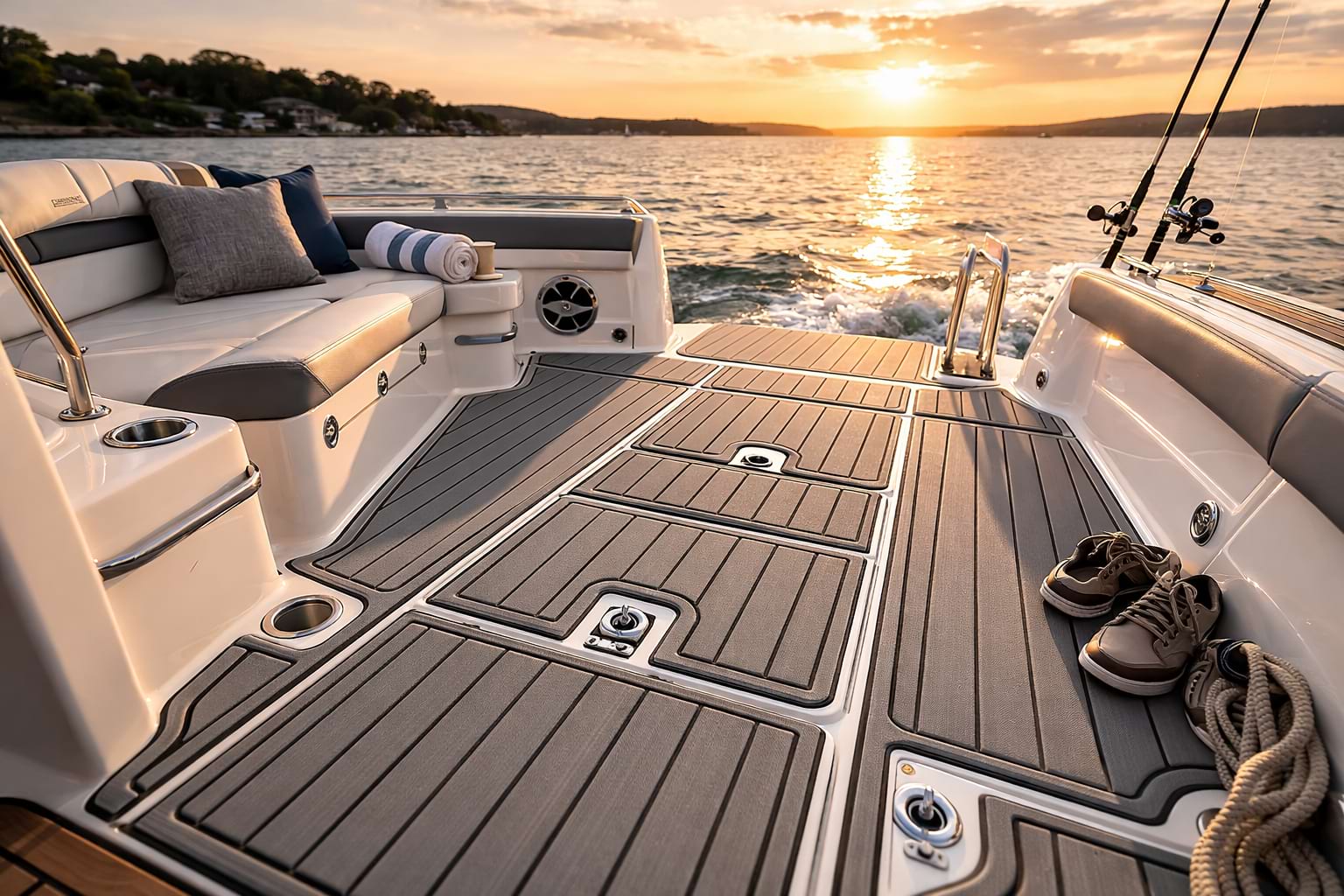
For areas prone to cracks or heavy foot traffic, embedding a fiberglass mat within the waterproof deck coating enhances strength and crack bridging. The fiberglass mat serves as a reinforcing layer, distributing stress and preventing water from seeping through hairline cracks or joints. This method is especially effective on plywood decks, balconies, and pool decks, where durability and waterproofing are critical, as on boat decks that must withstand constant moisture, movement, and heavy use.
Calculating Coverage: How Much Does 1 Gallon Cover?
Understanding how much area 1 gallon of waterproof deck coating covers is crucial for planning your project efficiently. Typically, 1 gallon covers between 80 and 200 square feet, depending on the surface type and porosity. Accurately measuring your deck’s square footage ensures you purchase the right quantity, helping reduce waste and avoid running short mid-application.
Waterproof Deck Coating for Pool Decks
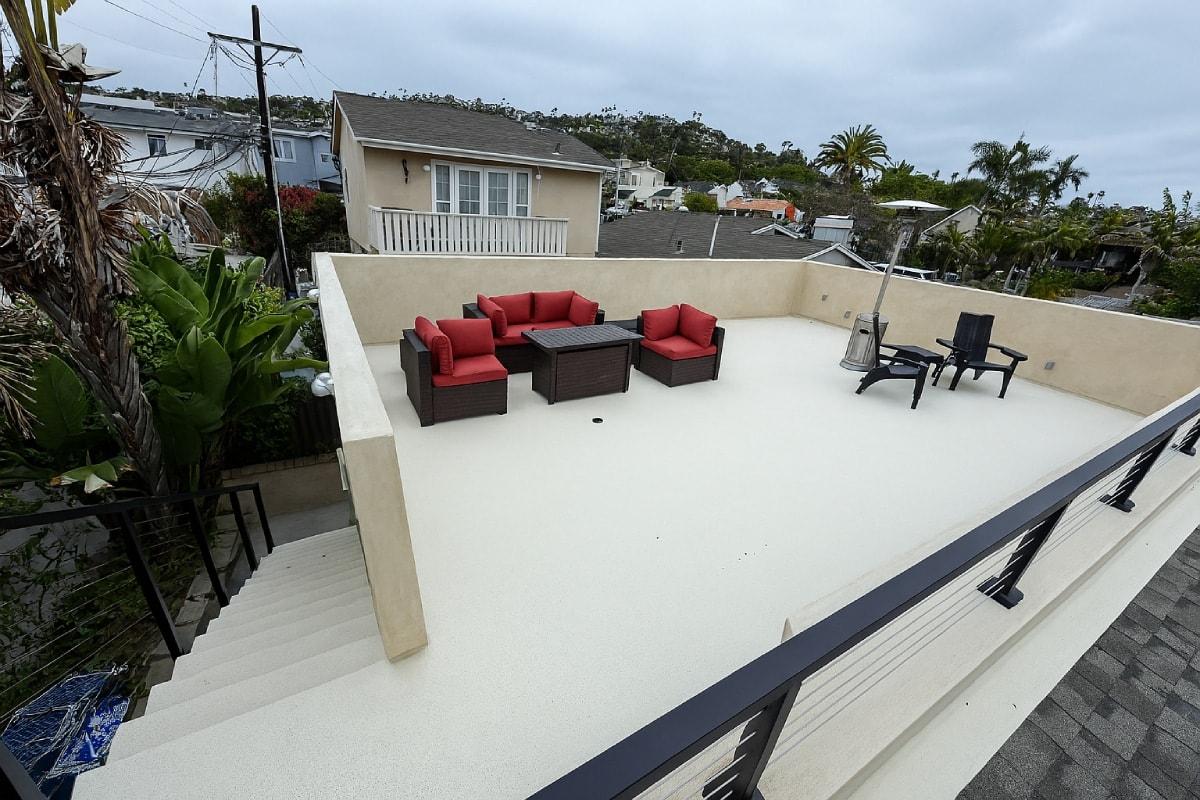
Pool decks require a waterproof deck coating that not only prevents water intrusion but also provides a textured finish for slip resistance. High-quality waterproof membranes protect pool surrounds from mold and mildew caused by constant moisture exposure while enhancing safety for wet, high-traffic areas. Choosing the right coating system extends the life of your pool deck and maintains its aesthetic appeal.
Measuring Your Deck in Square Feet for Accurate Estimation
Before starting your waterproofing project, measure your deck’s surface area in square feet. This measurement helps determine the amount of coating needed and the number of coats required for full protection. Proper estimation based on square footage ensures cost-effective use of materials and a durable, seamless waterproof membrane.
Components of a Complete Deck System
A reliable deck system includes a waterproof membrane, proper surface preparation, crack-bridging materials such as a fiberglass mat, and a durable finish coat. Each component works together to protect wood, plywood, or concrete decks from water damage, mold, and wear. Investing in a comprehensive deck system guarantees long-lasting performance and reduces the need for costly repairs, especially when using high-quality deck sealers to enhance protection and durability.
How Waterproof Deck Coating Blocks Mold and Mildew
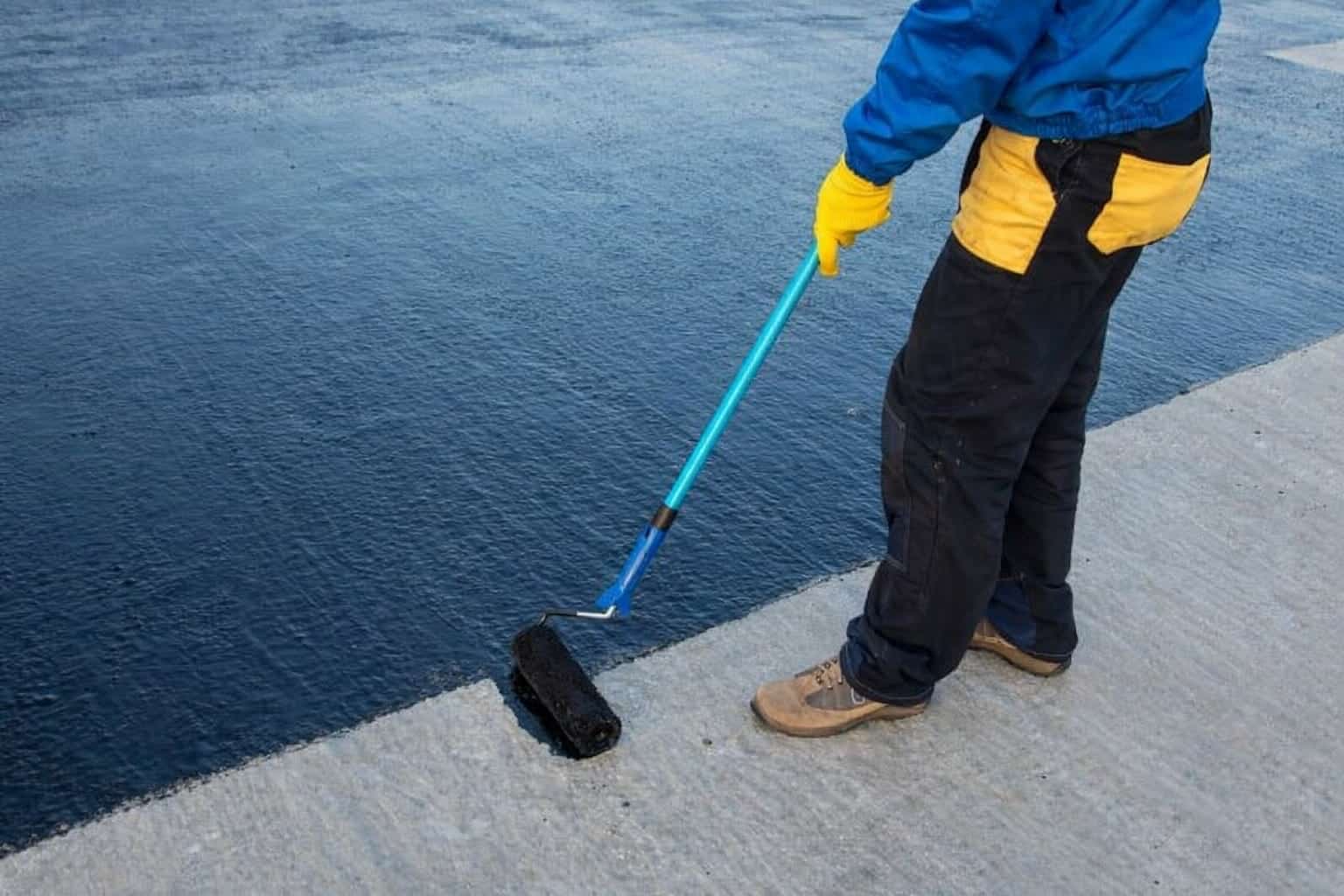
Waterproof deck coating forms a continuous, flexible membrane that stops water from reaching the substrate and structural members. A high-quality waterproof sealant or liquid rubber deck system fills hairline cracks, seals joints, and protects the entire surface so spores have no steady moisture source to feed on.
Here are the mechanics in plain language and with a clear purpose:
- Surface sealing. A top-grade deck coating, or liquid rubber, adheres to wood, concrete, and plywood, forming a flexible film that sheds water rather than absorbing it.
- Crack bridging. Fiberglass mat, high-quality wood filler, or a thick waterproof membrane bridges hairline cracks so water can’t travel into the substructure or plywood decks.
- Durable finish. Textured finishes give traction on pool decks and high-use walking surfaces while protecting against wear that would expose the substrate.
- Vapor control. Proper systems control vapor transmission so trapped moisture cannot feed hidden mold beneath the coating.
Adhesion matters. If the coating doesn’t bond because of poor prep, the system fails. Follow application guidelines: clean with a recommended patio cleaner, repair rotten wood, remove failing deck paint, and make sure surfaces are dry to the touch before applying the next coat. Following a detailed waterproofing painting guide to keep your deck and home safe from water damage can help ensure proper preparation and long-lasting results.
Best Surfaces and Situations for Waterproof Decking
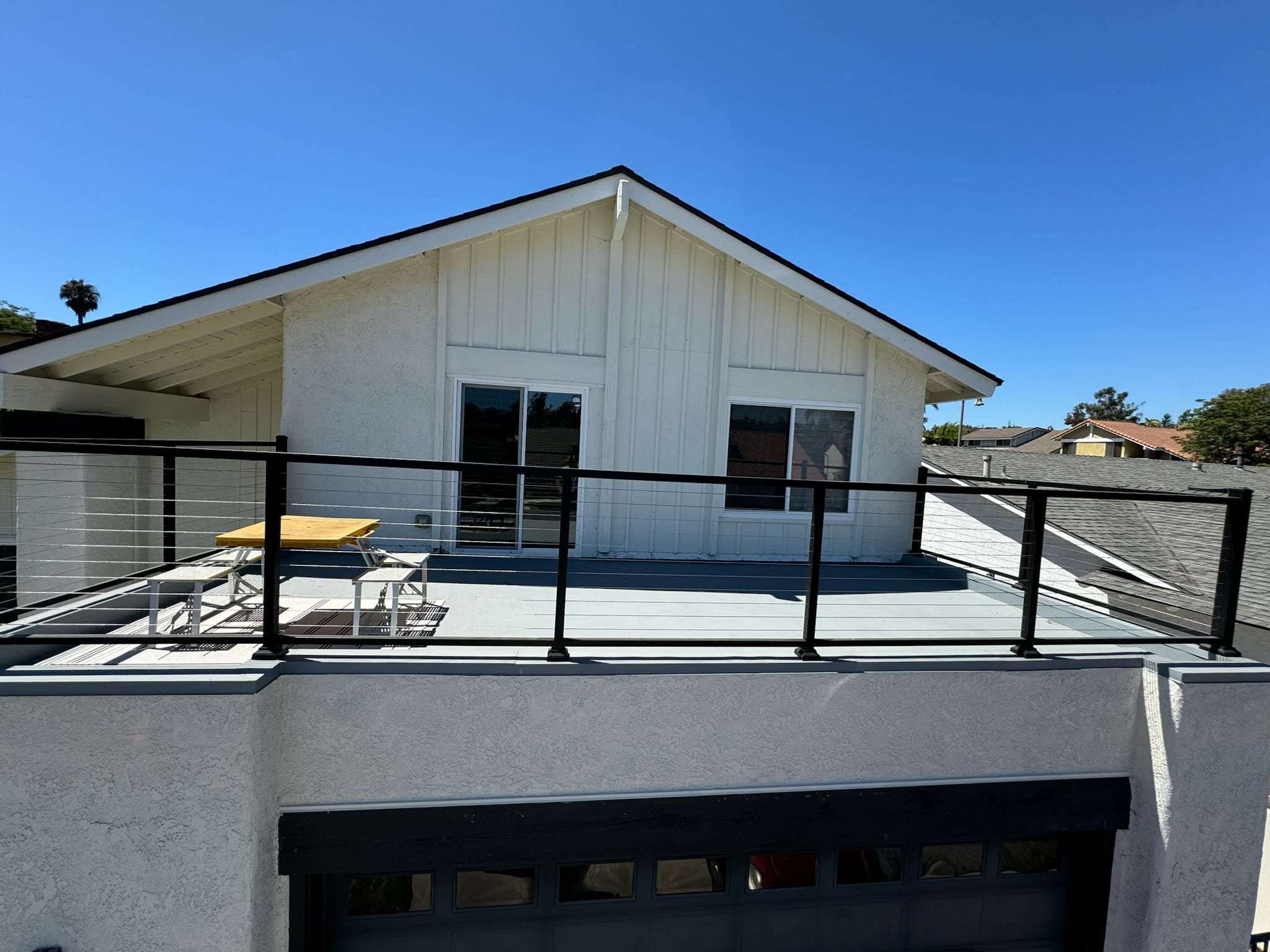
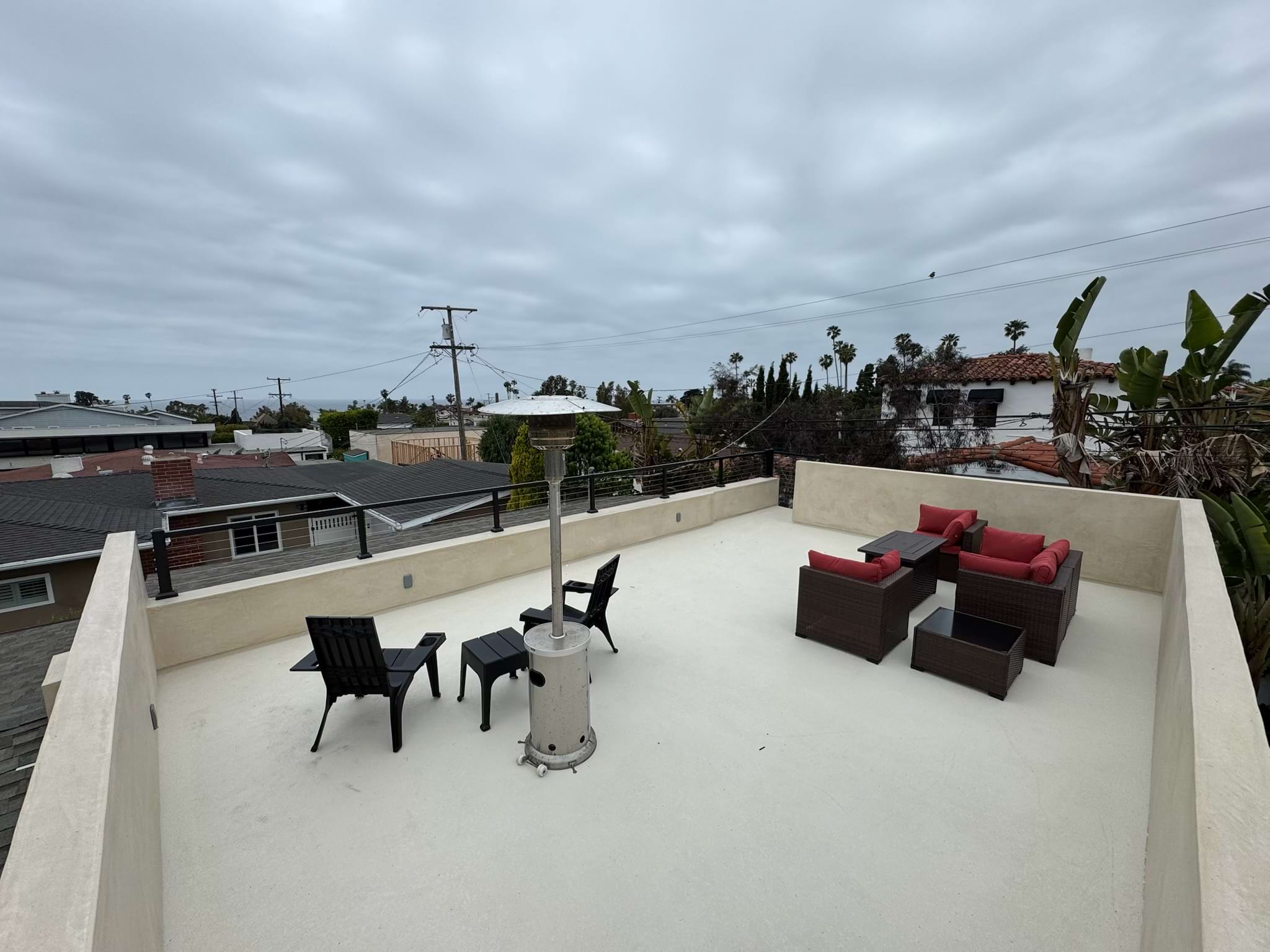
Think of waterproof decking as a system, not a single can of paint. It works on new wood, existing deck boards, plywood, concrete, balconies, utility trailers, and even boat decks when the formulation is rated for marine use. Consider these real examples before deciding.
Rodriguez Family Deck, Austin, Texas
The Rodriguez family had a 320 sq ft wood deck around their pool. They were reapplying failing deck paint every two years and saw mold staining each spring. After a contractor installed a liquid rubber deck membrane with two coats and a textured roller finish, they stopped recoating for six years. Costs: initial installation $1,850. Savings: avoided three repaint cycles at $900 each, which equals $2,700 saved, plus avoided plywood replacement. Outcome: improved traction at the pool and no mold remediation bills.
Note: Prices are just examples and may not reflect actual costs.
Harper Apartments Deck, Denver, Colorado
Harper Apartments had repeated complaints about mold on balconies and roof decks. A professional waterproofing contractor applied a membrane over 2,400 sq ft of elevated surfaces, patched plywood with high-quality wood filler, and embedded fiberglass mat in heavy-traffic zones. Result: tenant complaints dropped to zero within 12 months, the owner avoided potential liability, and the building owner estimated a seven-year extension to the serviceable life of the deck system. The project cost $18,400, compared with a potential $48,000 for a full replacement.
Note: Prices are just examples and may not reflect actual costs.
Clear takeaway: a correct system produces measurable savings and reduces risk immediately.
Comparing Waterproof Membrane Products to Pick the Right System
There’s a lot of marketing noise. Below is a clear table comparing common options so you know what suits your surface type and usage.
A common mistake is buying generic deck paint disguised as waterproofing. If a product lacks elastomeric properties or a true membrane system, you’re buying short-term aesthetics, not long-term protection.
Prep and Application Steps That Keep Mold Away
Preparation is where most DIY projects fail. Proper surface prep increases adhesion, reduces peeling, and prevents trapped moisture that would allow hidden mold to grow. Follow these application guidelines, and you’ll get a long-lasting coating.
- Clear the deck, removing patio furniture, potted plants, and debris.
- Clean with a recommended patio cleaner to remove mildew and biological growth. Use a stiff brush; avoid attachments that force water into seams.
- Repair with high-quality wood filler where boards are soft, and replace rotten plywood when necessary.
- Sand the glossy deck paint so the coating bonds to the new surface.
- Fill hairline cracks with the appropriate sealant or embed fiberglass mat in areas with larger cracks.
- Plan coverage by square footage. A gallon normally covers 80 to 200 sq ft, depending on product and substrate.
- Apply the first coat opposite the grain on wood decks for even distribution; let it dry to the touch, then apply the second coat per instructions.
- Use a textured roller for the final coat on walking surfaces to provide traction. Fast-drying products will have a shorter recoat window, and overnight temperatures matter.
Want fewer surprises? Test adhesion on a small patch before coating the entire surface. For very hot or very humid conditions, choose formulations rated for those climates or schedule work on milder days to reduce bubbles and poor drying.
Surface Type and Square Footage Considerations
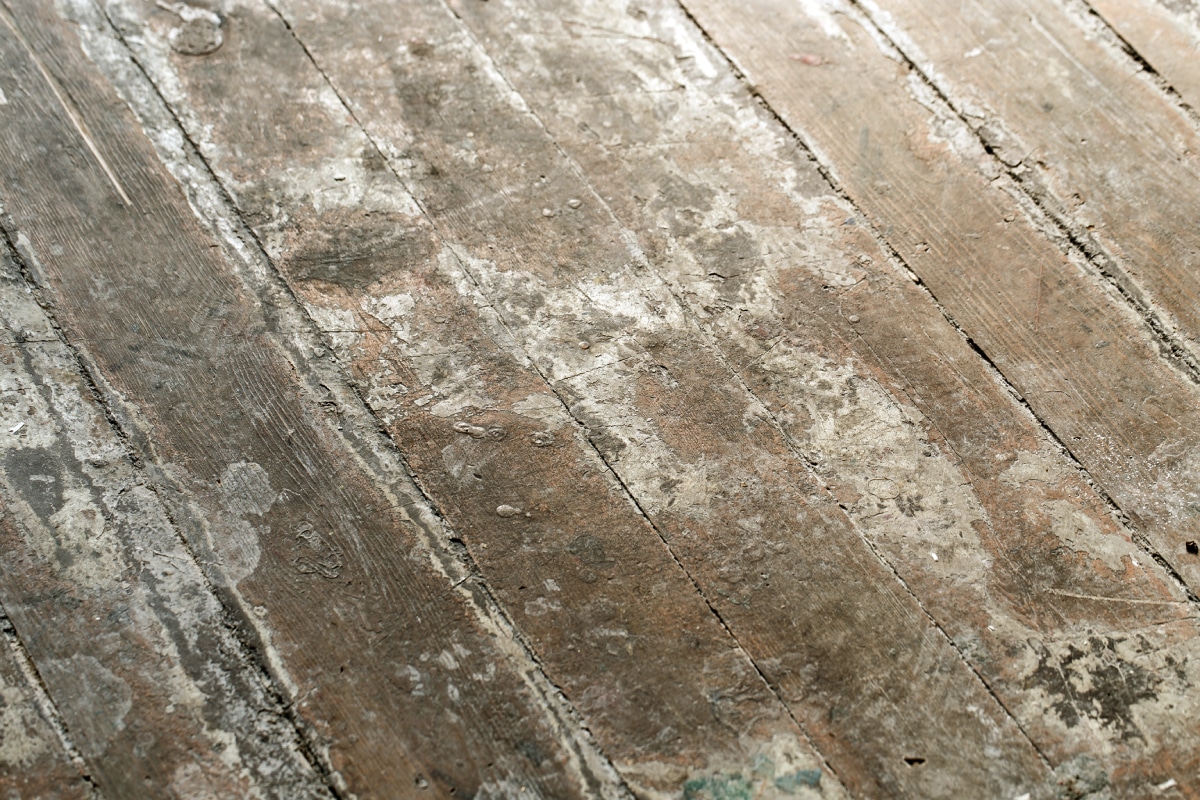
Selecting the right waterproof deck coating depends heavily on your surface type—wood, plywood, concrete, or composite materials—and the total square footage of the area. Coverage per 1 gallon can vary slightly based on porosity and texture, so always measure your deck’s square footage accurately. This helps you calculate how many gallons you’ll need to apply the required number of coats, avoiding running out mid-project or wasting excess product.
Common Objections and Straightforward Answers
Here are the three most common hesitations and frank answers you can use to decide.
Old Deck Concern
Valid point. If structural members are rotten, replace them. Waterproof coating is not a substitute for structural repair. However, if the framing is sound and the issue is surface decay or paint failure, a proper coating system can extend life by years and delay full replacement. You’ll save money while you plan bigger repairs without accelerating hidden decay. You can also learn more about how to protect your deck from rain, mold, and rot to prevent long-term structural damage.
DIY Savings Question
DIY can work on small jobs, but improper prep and poor adhesion are common failures. Expect to spend time on cleaning, repairs, and possible rework. In high-traffic areas, such as balconies or roof decks, professionals reduce risk by having trained crews handle flashing, membrane details, and proper embedding of fiberglass mat. If your goal is to eliminate mold and protect plywood, a pro is often worth the premium.
Peeling Worry
Not all products behave like ordinary paint. Elastomeric membranes and liquid rubber systems bond differently. If you follow application guidelines, use high-quality materials, and allow proper curing, peeling is rare. The key is good substrate prep and selecting the right product for your surface.
Also, concerns about smell, drying time, or cost are manageable. Low-odor formulations are available, fast-drying products let you recoat in hours, and phased work or financing can reduce upfront costs.
Plan Your Project for the Next 30 Days
Stop guessing. If you want to apply a waterproof deck coating without trial and error, request a free estimate. Here’s what happens after you request one, so you have zero surprises and a clear path forward.
- Scheduling. A technician visits within 3 to 7 days for inspection and square-foot measurement.
- Assessment. They test adhesion on a small area, inspect plywood for hidden rot, locate water-intrusion points, and recommend a system: membrane, liquid-rubber deck, or fiberglass-mat reinforced build-up.
- Proposal. You’ll receive a written proposal that lists square-foot pricing, product choices, the number of coats, and an expected timeline, taking overnight temperatures into account for curing.
- Work. Typical jobs for 200 to 800 sq ft take 2 to 5 days, including prep, repairs, and 2 coats, plus a textured finish when needed.
- Warranty. Most professional deck systems include a limited warranty and maintenance guidelines, such as annual inspection, cleaning with a patio cleaner, and periodic recoating in high-traffic zones. Liquid Rubber offers a 3-year warranty covering product failure, peeling, or cracking, while Westcoat and ArmorGarage provide extended warranties and comprehensive support for contractors and property managers.
Once you ask for the estimate, the heavy lifting is handled. You won’t need to research products, calculate square footage alone, or guess about compatibility with plywood or concrete. Professionals supply materials, labor, and guarantees so you trade risk for certainty.
Maintenance Checklist and Warning Signs
Even the best coating needs attention. Regular maintenance keeps small problems from becoming expensive ones. Use this checklist once a year.
- Inspect for new cracks or seam separations, especially around fixtures and in walking paths.
- Clean with a noncorrosive patio cleaner and rinse. Avoid power-washing too closely, as this can damage the membrane.
- Refinish high-wear corridors every 3 to 7 years, depending on foot traffic and UV exposure.
- Address hairline cracks quickly with a manufacturer-approved touch-up or sealant.
Warning signs of system failure include repeated water intrusion after rain, visible peeling, soft spots in plywood, or mold returning in the same spots. At that point, you may need a partial repair or a full system replacement, depending on the extent of damage.
Realistic Pricing and Cost Estimates
Prices vary by surface type, square footage, and product choice. Use these ballpark figures to avoid sticker shock:
- Basic waterproof paint system for a small deck (100 to 300 sq ft): $600 to $1,500
- Liquid rubber deck membrane with two coats for 300 to 800 sq ft: $1,800 to $6,000
- Fiberglass mat reinforced plywood deck waterproofing for balconies or roof decks: $6 to $18 per sq ft installed, depending on complexity
Note: Prices are just examples and may not reflect actual costs.
Geography, material costs, and access can shift prices. If you need to lower the upfront cost, consider phased work: install the waterproof membrane on vulnerable areas first, then apply the cosmetic final coat later. Remember, cheap temporary fixes raise the chance of water intrusion and costly structural repairs down the road.
Take Action to Protect Your Property Now
If you value time, safety, and resale value, acting now is the smarter move. The fastest way to avoid mold, mildew, and the expense of plywood replacement is to request a free estimate. One step replaces months of guesswork with a clear scope, cost, and timeline. You already saw how waiting increases repair bills and liability. You already saw examples where owners recovered costs through avoided replacement and tenant retention.
Request a free estimate, and a certified technician will inspect your deck, confirm surface type and square footage, recommend the right coating system, and give a documented proposal. You’ll know exactly what product will be used, whether fiberglass mat or high-quality wood filler is required, how many coats are needed, and when crews will return for subsequent coats and the textured finish you expect.
Make the call and stop letting moisture win.
Frequently Asked Questions
Difference Between Deck Paint and a True Waterproof Deck Coating?
Deck paint is mostly cosmetic and provides limited water resistance. A true waterproof deck coating gives a continuous membrane, flexible crack bridging, and higher abrasion resistance. These coatings often need one to two coats or more and may embed fiberglass mat for higher durability.
Cleaning Before Coating: Do I Need to Remove Existing Mold?
Yes. Clean thoroughly with a patio cleaner and remove mold before applying a coating. A coating over active mold traps moisture and spores, which can cause mold to return or persist beneath the surface.
Coats Needed for a Long-Lasting Seal?
Most systems require a minimum of two coats, with a textured final coat for traction on pool decks and in busy areas. Some reinforced systems need an embedding coat for fiberglass mat, plus one or two top coats.
Can I Apply a Waterproof Coating Over Plywood Decks?
Yes, but surface prep and repair are essential. Replace soft or rotted plywood, sand and clean the surface, and consider a fiberglass mat system in areas prone to cracks or movement for reliable waterproofing.
Foot Traffic: How Long Before the Surface is Safe After the Last Coat?
Drying times vary by product and conditions. Many fast-drying systems allow light foot traffic in 4 to 24 hours. Always follow manufacturer guidelines to ensure the finish is dry to the touch and sufficiently cured.
Are These Coatings Suitable for Extremely Hot Climates?
Yes. Choose formulations rated for hot conditions. High-quality waterproof and liquid rubber systems often include UV stabilizers to maintain durability in strong sunlight. Apply in moderate temperatures when possible to ensure proper curing.
Consequences of Delaying Repairs: What Happens if Mold Spreads?
Delay increases the risk of structural damage, plywood replacement, and higher repair bills. Mold can force the removal of affected decking, the replacement of framing or plywood, and extended downtime for repairs.
Can Traction Waterproofing Be Applied Around Pools and Still Provide Slip Resistance?
Yes. Many systems offer a textured finish applied with a roller to produce slip-resistant walking surfaces suitable for pool surrounds and heavy-traffic areas.
How Much Area Does One Gallon Typically Cover?
Coverage depends on the surface type and product, but one gallon usually covers 80-200 sq ft. Porous or rough surfaces reduce coverage, while smooth substrates allow more square footage per gallon.
What Maintenance is Required After Coating?
Annual inspection, cleaning with a mild patio cleaner, and timely touch-ups on hairline cracks keep the system performing. High-traffic zones may need more frequent attention or a refresh coat every few years.
If you want to apply a waterproof deck coating without trial and error, request a free estimate and get a professional assessment that removes uncertainty and puts a timeline on protection. The fastest way to avoid mistakes is to request a free estimate.