What You’ll Learn:
- The importance of waterproofing stairs to protect against water damage, mold, and structural deterioration.
- Effective waterproofing techniques and materials suitable for different stair types, including concrete, wood, and basement stairs.
- Practical benefits of waterproof coatings include extending stair lifespan, enhancing safety, and reducing costly repairs.
Essential Protection for Waterproofing Stairs Against Water Damage
Waterproofing stairs is crucial to significantly reduce water damage that can compromise the structure and safety. Whether your stairs are wood, concrete, or other materials, applying a waterproof membrane and sealants blocks moisture intrusion, mold growth, and rot. This protective barrier extends stair lifespan and reduces costly repairs. Professional staircase waterproofing in Orange County, CA can help ensure the correct membranes and sealers are applied for long-term durability and safety.
Stop Decay Early and Maintain Strong Stairs
Water, freeze-thaw cycles, and heavy foot traffic wear down concrete and wood annually. Foundation cracks and rot may go unnoticed, but moisture seeps into the basement stairs and foundation walls. Left unchecked, leaks cause mold, mildew, structural damage, and expensive repairs. Waterproof coatings shorten this timeline and protect your house and floors for years.
Protect Stairs and Foundation Walls with Proven Waterproof Membranes
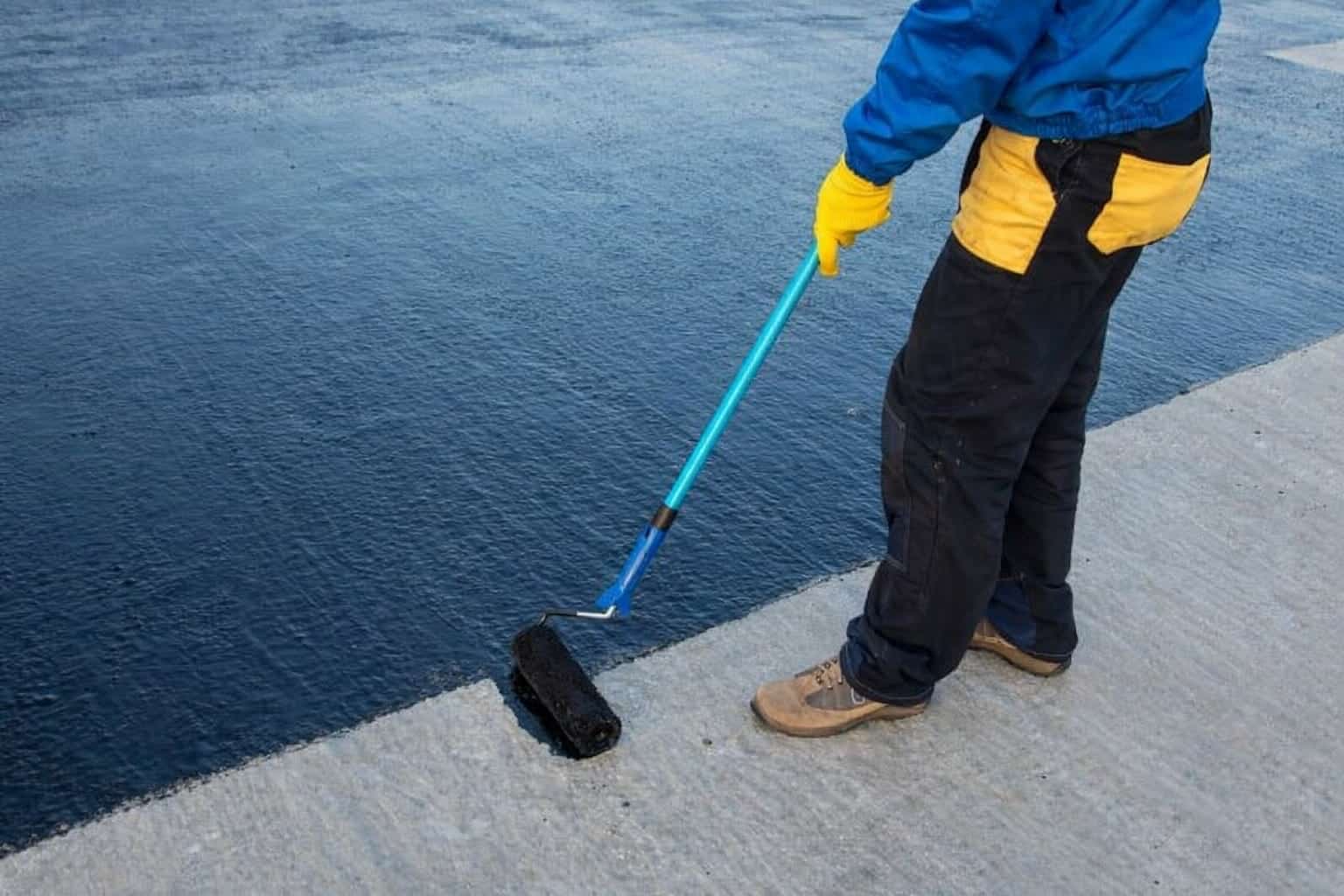
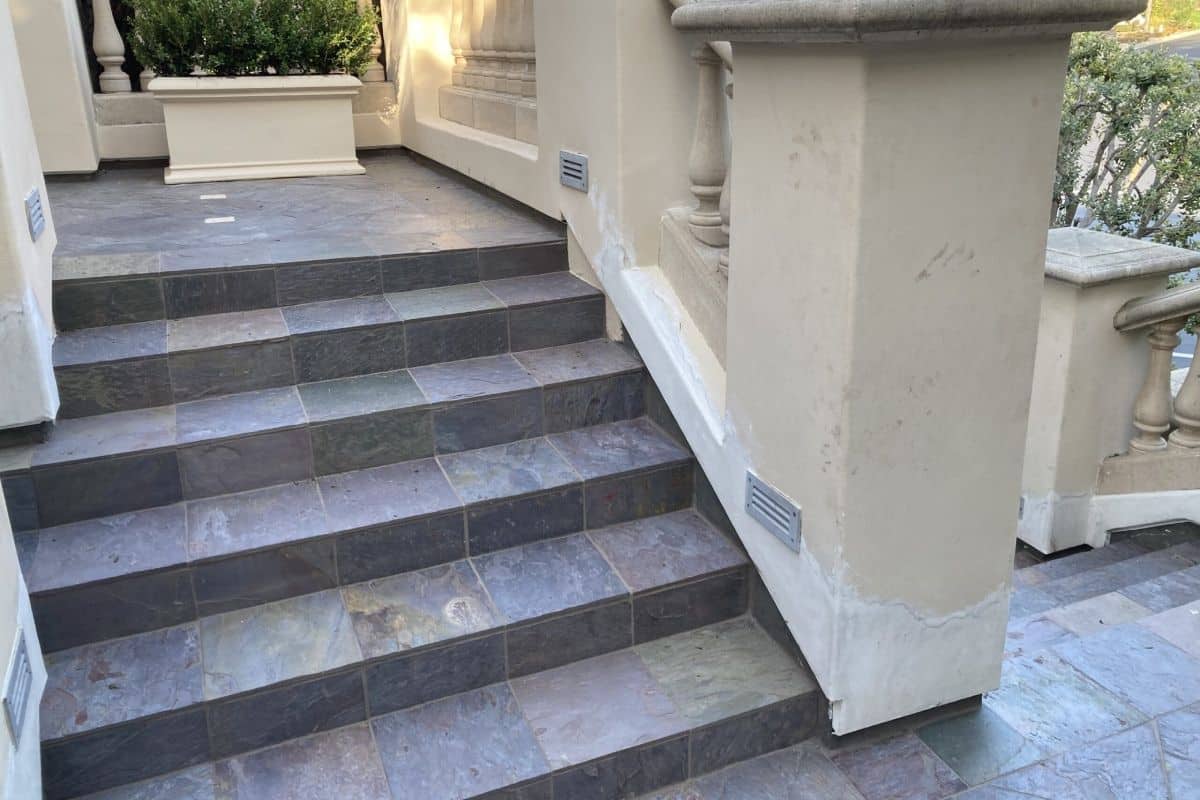
Waterproofing stairs goes beyond aesthetics. A waterproof membrane or quality seal fills concrete pores, prevents wood rot, and stops rainwater from entering gaps around doors and decks. Proper installation blocks water intrusion along risers and under treads, and shields stucco on stair sides, providing durable protection against winter snow and heavy rain. Understanding how waterproof membranes compare to sealants for decks can help you choose the right system, since a correctly chosen membrane outperforms surface paint every time.
Waterproofing Basement Stairs to Guard Vulnerable Entry Points
Basement stairs are especially vulnerable to moisture due to proximity to the ground and foundation walls. Rainwater and ground seepage easily infiltrate stairwell drains, doors, and cracks. Proper waterproofing with membranes and sealants keeps these vulnerable areas dry and structurally sound. Installing a canopy above the basement entrance significantly reduces rain and snow accumulation. Grading the ground around the entrance to slope away from the house prevents water from running into the stairwell.
Proof from Real Projects That Saved Money
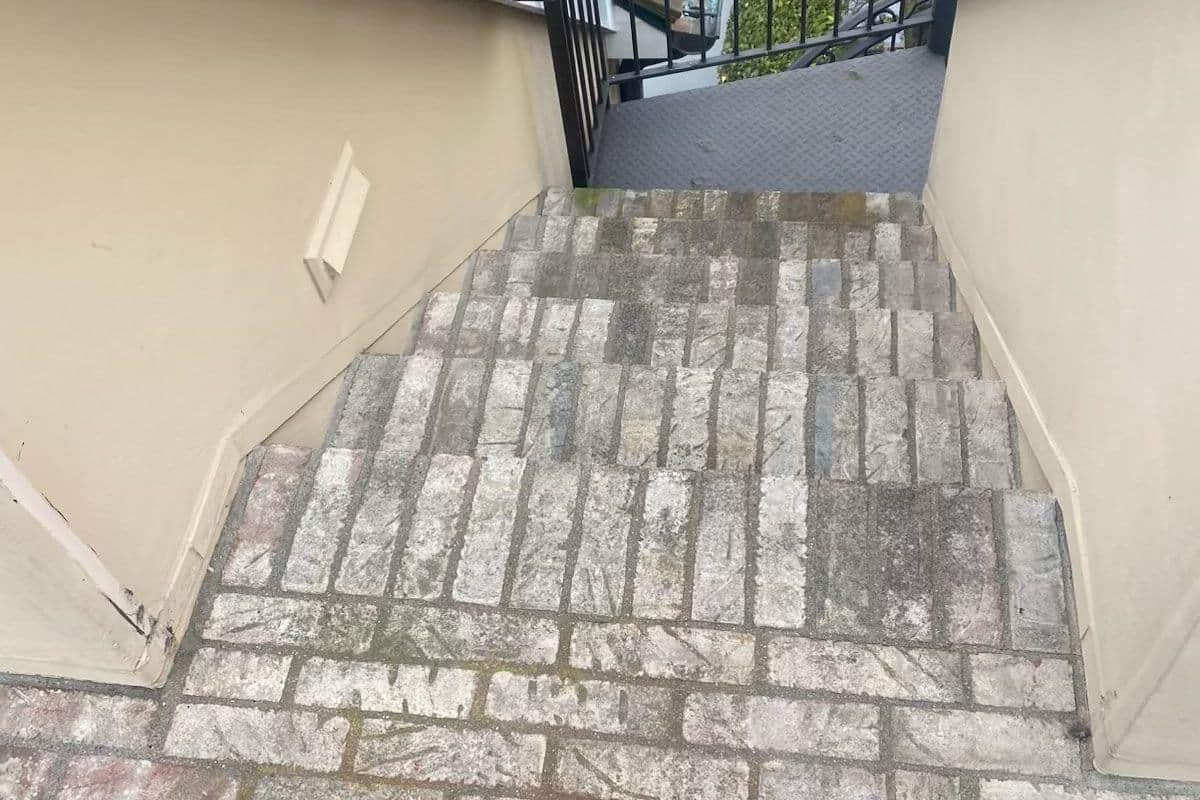
Hartwell Apartments, Cincinnati: After foundation cracks let water into the basement stairs, management applied a polyurethane waterproof membrane over 120 steps and adjacent foundation walls. Leaks dropped to zero, mold remediation costs fell from $18,000 to $0, and tenants reported fewer cold drafts within two months.
Rodriguez Family Home, Seattle: Rot destroyed six wood porch steps after blocked gutters and storms. A contractor sanded the treads, used a breathable sealant, and added a modern canopy. Replacement costs of $2,400 were avoided, extending stair life by about eight years. Homeowners facing similar issues can review this ultimate waterproof coating guide for wood deck protection and maintenance to understand how proper coatings and maintenance prevent long-term damage.
Note: Prices are just examples and may not reflect actual costs.
Compare Costs and Lifespans for Waterproofing Options
Note: Prices are just examples and may not reflect actual costs.
Choose the Right Waterproof Membrane for Long-Lasting Stairs
Materials vary by substrate. Concrete benefits from cementitious coatings or liquid-applied membranes. Wood needs breathable sealants that allow moisture to escape, preventing rot and mold. For decks and exposed areas, select durable membranes proven to withstand heavy foot traffic and weather cycles.
Inspect for foundation cracks, blocked gutters, and low spots where water pools. Proper surface preparation, sanding, cleaning, and damage repair are essential before sealant application. Quality work matters. Hire contractors who back their work with guarantees and post examples on their websites, such as Prestigedecking.com. It also helps to review guides on choosing the right pool deck resurfacing company to ensure you hire experienced professionals who follow proper preparation and waterproofing practices.
Act Now to Prevent Costly Stair Damage
Delaying allows moisture to widen cracks and accelerate damage. One unchecked leak can trigger $5,000 to $20,000 in structural repairs, lost rental income, or liability claims. Owners who act early save thousands, increase safety, and avoid emergency replacement.
Note: Prices are just examples and may not reflect actual costs.
Common hesitations include cost, disruption, and doubt about effectiveness. Concerned about price? Professional installation often costs less than full replacement. Worried about disruption? Most coating projects finish in one to two days for a standard staircase. Unsure if coatings work on your material? A qualified inspector explains options for concrete, wood, and stucco.
Book a Contractor and Know What Happens Next
Don’t let indecision cost more. Schedule an inspection. A contractor checks stairs, foundation walls, and basement areas, recommends membranes or seals, and provides a fixed price and timeline. Installation includes cleaning, crack repair, coating application, and a final inspection to ensure full coverage. This step-by-step plan lowers risk and keeps the job on track. You can also learn more about the importance of waterproof stairs and why proper sealing and membranes are essential for long-term durability and safety.
Prefer to avoid trial and error? Book a call for a tailored plan for your stairs and surrounding areas.
Frequently Asked Questions
Will a Waterproof Coating Stop Foundation Cracks?
A coating seals surface cracks and prevents water intrusion, but won’t structurally repair deep foundation damage. Repair major cracks first, then add waterproof membranes to prevent future water problems.
Can Waterproofing Be Used on Concrete and Wood Steps?
Yes. Concrete typically uses cementitious coatings; wood requires breathable sealants. Proper prep, like sanding and cleaning, improves adhesion and durability.
When Will I See Savings After Installing Waterproof Protection?
Savings appear quickly through avoided repairs and reduced mold remediation. Many owners report lower maintenance bills in the first year and delay replacement for years, saving thousands.
Closing thought: Waterproof coatings are among the smartest, cost-effective investments to protect stair safety and longevity. Act now to protect your property before problems multiply.