
What You’ll Learn:
An overview of waterproofing solutions and materials to prevent water damage in homes and buildings.
Why addressing hydrostatic pressure, drainage, and moisture issues matters for effective waterproofing.
Practical insights on specialized waterproofing methods for different areas, including basements, roofs, and bathrooms, plus maintenance tips and cost considerations.
Imagine waking up one morning to find a small pool in your basement, courtesy of the last heavy rain. Water damage can be devastating, both financially and emotionally. With the right waterproofing solutions, including professional deck waterproofing, roof waterproofing, and concrete structure protection, you can protect your home and ensure its structural integrity. This comprehensive guide explores waterproofing methods, their benefits, and why investing in them matters.
The Real Cost of Water Damage
Water damage isn’t just a minor inconvenience; it can lead to extensive losses. According to the Insurance Information Institute, water damage accounts for over $13 billion in claims annually. A single incident could cost thousands in repairs, not to mention the potential for mold growth and decreased property value. Ignoring proper waterproofing methods and falling for common waterproofing misconceptions now can lead to costly repairs later, especially when water infiltration and hydrostatic pressure are involved.
Note: Prices are just examples and may not reflect actual costs.
Understanding Hydrostatic Pressure and Water Seepage
Hydrostatic pressure plays a vital role in water seepage issues, especially in basements and foundations. It occurs when water in the soil around your home exerts pressure against walls and floors, forcing moisture through cracks and porous surfaces. Addressing hydrostatic pressure with the right waterproofing methods is essential to prevent water seepage and protect your structure from damage.
Improper drainage systems and poorly maintained gutters can exacerbate water accumulation around foundations, increasing hydrostatic pressure. Additionally, condensation from warm air meeting cooler surfaces can worsen moisture problems in basements.
Key Waterproofing Methods to Protect Your Home
Several waterproofing systems can keep your home safe from water ingress and water vapor damage. Here are the most effective techniques, each suited to different construction needs, so you can apply the right method to specific areas.
Cementitious Waterproofing
Cementitious waterproofing is a popular method that uses cement-based materials to create a waterproof barrier on concrete surfaces, as detailed in this complete guide to professional waterproofing methods. It is especially effective for foundations, basements, water tanks, and water treatment plants, providing a durable and reliable solution for wet environments. The construction industry widely uses this technique because it's easy to apply and bonds strongly. It typically forms a thin layer that integrates seamlessly with the concrete, enhancing the structure's waterproofing.
Liquid Waterproofing Membrane
Liquid waterproofing membrane techniques involve applying a seamless, flexible liquid coating that adapts to surface movements. This method is highly versatile and commonly used on roofs, balconies, and wet areas like bathrooms. The liquid membrane forms a continuous barrier that prevents moisture penetration and can elongate up to 280 percent, making it ideal for areas subject to structural shifts. It’s considered one of the right methods for areas where flexibility and durability are crucial.
Polyurethane Liquid Membrane
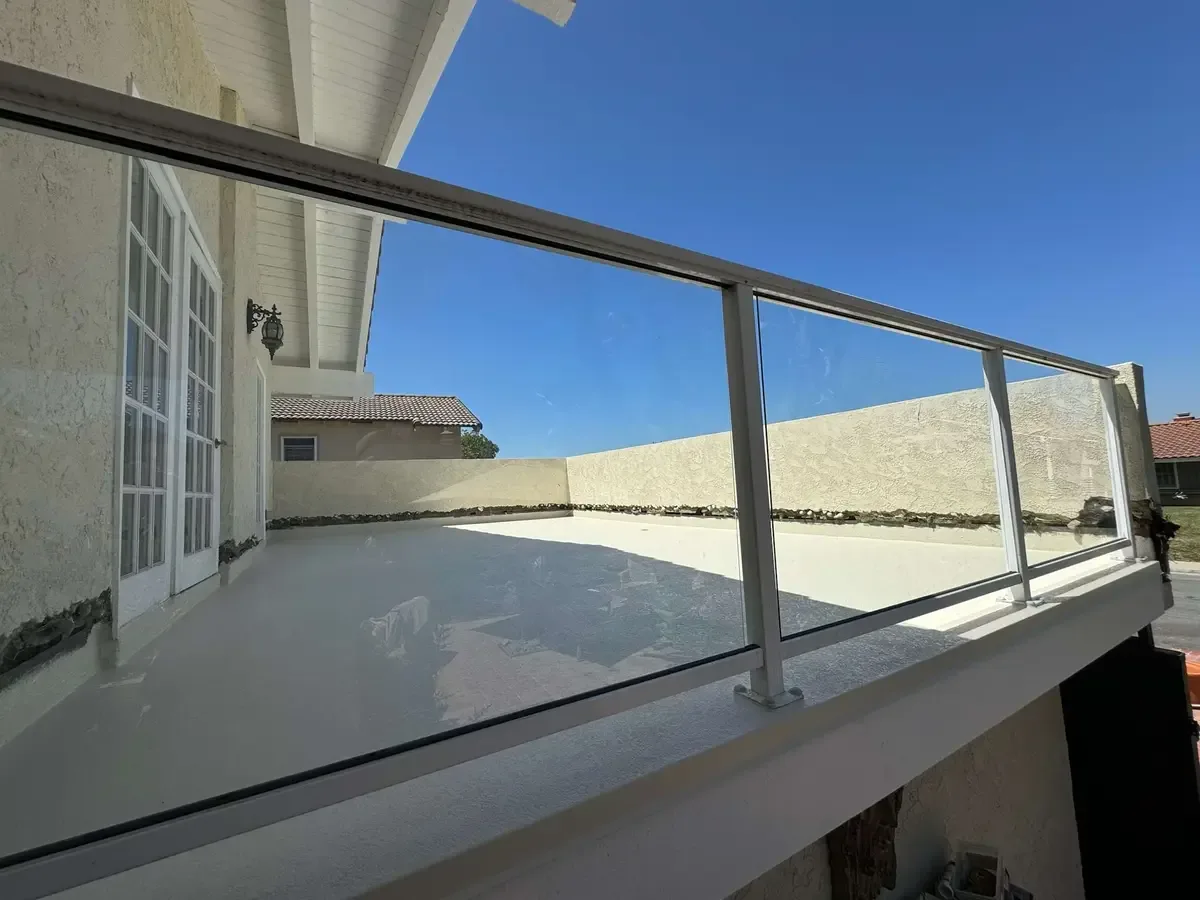
Polyurethane liquid membrane is an advanced waterproofing solution known for its elasticity and durability. It forms a tough, elastic skin that resists temperature variations and mechanical stress, making it suitable for podium decks, balconies, and green roofs. Proper surface preparation is crucial when applying this liquid membrane, as moisture presence can affect adhesion and long-term performance. This method is especially favored in building construction projects that require high-performance waterproofing.
Bituminous Coating
Bituminous coating, also known as asphalt coating, is a thick, asphalt-based layer that protects surfaces such as concrete foundations from water seepage. It acts as an effective vapor barrier and is valued for its moisture resistance. However, bitumen-based materials should not be exposed to prolonged sunlight, as they may become brittle and degrade over time. This coating typically forms a thin layer that adheres well to concrete, improving the structure's overall waterproofing.
Bituminous Membrane
Bituminous membrane waterproofing is preferred for low-sloped roofs due to its durability and self-adhesive properties. Composed of asphalt, polymers, and fillers, this membrane is available in torch-on and self-adhesive types. The exposed torch-on membranes are enhanced with mineral granules to resist weathering and wear. This membrane is one of the many waterproofing membrane types widely used in building construction.
Waterproofing Membrane
Waterproofing membranes come in both liquid and sheet forms, providing a protective barrier against moisture on floors, walls, and other surfaces. When evaluating different approaches, it helps to understand how waterproof membranes compare to sealants for decks. These membranes are essential for creating continuous waterproof layers, especially in areas exposed to water or vapor intrusion. The right method and membrane type depend on the specific application and environmental conditions.
Integral Systems
Integral waterproofing systems incorporate waterproofing materials directly into concrete mixes. This method makes the entire structure water-resistant from within, offering comprehensive protection suitable for various building applications. Integral systems are particularly effective in building construction, providing long-lasting waterproofing without additional surface coatings.
Waterproofing Bathrooms: Specialized Solutions for Wet Areas
Waterproofing bathrooms requires specialized liquid waterproofing membranes that create a seamless and flexible barrier against moisture. Polyurethane liquid membranes are particularly effective in these wet areas due to their elasticity and durability, preventing water seepage and protecting against mold growth. Proper bathroom waterproofing is critical to maintaining hygiene and structural integrity.
Sump Pump Systems: Enhancing Basement Waterproofing
A sump pump is an essential component in basement waterproofing systems, designed to remove accumulated water and prevent flooding, as outlined in this comprehensive waterproofing guide. Installed in a sump pit, the pump activates automatically when water levels rise, efficiently directing water away from the foundation. Integrating a sump pump with waterproofing methods significantly reduces the risk of water damage and maintains a dry basement environment.
Success Stories of Effective Waterproofing
Here are some success stories that illustrate the importance of effective waterproofing:
Smith Family Basement
The Smith family faced repeated basement flooding due to inadequate drainage and hydrostatic pressure. After investing in cementitious waterproofing and a sump pump system, they reported no water intrusion even after heavy rain. This project cost $5,000 but saved them potential losses of over $20,000 from water damage and mold remediation.
Note: Prices are just examples and may not reflect actual costs.
A Roofer’s Transformation
ABC Roofing Company applied polyurethane liquid membranes and bituminous membranes to all its low-sloped roofs. This change reduced roof leaks by 80% and improved customer satisfaction, leading to a 30% increase in repeat business.
The Cost of Inaction
Delaying waterproofing means risking significant financial repercussions. Beyond immediate repair costs, the long-term effects include:
Mold Growth - A single incident can lead to mold, which costs an average of $2,000 to remediate.
Decreased Property Value - Homes with water damage can lose up to 30% of their market value.
Health Issues - Prolonged exposure to damp conditions can lead to respiratory issues, further escalating healthcare costs.
Structural Damage - Water penetration can weaken concrete structures and cause spalling, compromising the building's integrity.
Note: Prices are just examples and may not reflect actual costs.
Addressing Common Concerns
Many homeowners hesitate to invest in waterproofing due to misconceptions. Let’s tackle a few:
It’s too expensive
While the upfront costs might seem high, consider the long-term savings. Preventive measures cost far less than repairs after water damage, especially when you consider the protection board and insulation benefits that extend the lifespan of roofing materials and structures.
I can do it myself
While DIY projects can save money, improper application can lead to failures. Hiring a professional ensures that the right waterproofing methods are used for your specific needs and comply with building codes.
My home has never flooded; I’m not worried
Water intrusion can happen unexpectedly, especially with changing weather conditions and increased moisture levels. Proactive measures safeguard your investment for the future.
Taking Action: Next Steps for Waterproofing
Investing in waterproofing is a vital step toward protecting your property. Once you decide to move forward, here's what happens:
Contact a qualified waterproofing contractor for an assessment.
Receive a detailed plan outlining the best waterproofing solutions for your property, considering specific conditions such as hydrostatic pressure and temperature variations.
Schedule the work at your convenience, knowing you are protecting your investment against water seepage and water ingress.
Don’t let procrastination put your property at risk. If you want to apply these waterproofing solutions without trial and error, reach out for a consultation today!
A Comprehensive Guide to Waterproofing Techniques
This comprehensive guide covers essential waterproofing solutions to protect your home from water damage. By understanding different waterproofing methods and their applications, you can protect different building areas effectively, extending your property's lifespan and structural integrity.
Frequently Asked Questions
What are the different types of waterproofing methods?
Waterproofing methods include cementitious waterproofing, polyurethane liquid membranes, bituminous coatings, and waterproofing membranes. Each method suits different applications and environments, helping keep your structure protected from water infiltration and hydrostatic pressure.
How do I know if my home needs waterproofing?
If you notice signs such as damp walls, mold growth, musty odors, or roof leaks, your home likely needs waterproofing. Additionally, if your area experiences heavy rain, flooding, or high moisture levels, proactive waterproofing can prevent future issues.
Can I waterproof my home myself?
While some homeowners attempt DIY waterproofing, it’s often better to hire a professional. Proper waterproofing requires knowledge of materials, techniques, and building-code compliance to ensure effectiveness and durability.
What are the benefits of waterproofing my basement?
Waterproofing your basement can prevent mold growth, protect your belongings, and increase your home’s value. It also helps maintain a dry environment, protects floors and walls, and reduces the risk of water penetration from hydrostatic pressure. Adding a sump pump to your waterproofing system further improves protection by actively removing water that accumulates in the basement.
How long does waterproofing last?
The lifespan of waterproofing systems varies by method and materials used. Generally, well-installed waterproofing can last anywhere from 10 to 30 years, depending on environmental conditions, maintenance, and the use of top coats and protection boards.
This comprehensive guide integrates essential waterproofing solutions and materials, highlighting their applications across various parts of a building. By understanding and applying these methods, homeowners and construction professionals can ensure long-lasting protection against water damage.