
What You’ll Learn:
Why waterproof painting matters for protecting interior walls and surfaces from moisture damage and costly repairs.
Step-by-step methods and best practices for applying waterproof paint effectively, including surface preparation and choosing the right product.
Practical waterproofing scenarios that show why preparation, product selection, and drainage details matter.
The Hidden Costs of Neglecting Waterproof Painting
Water seepage can deteriorate surfaces, encourage mold growth, and weaken building materials. Ignoring waterproof painting and deck waterproofing can lead to more than cosmetic issues: it can increase repair scope, disrupt use of the area, and shorten the life of the assembly. The actual cost depends on the source of the leak, the affected materials, and how long moisture has been present.
Waterproof Painting for Interior Walls
Waterproof painting is especially crucial for interior walls, which are vulnerable to moisture from everyday activities like cooking, bathing, and washing. Applying waterproof paint on interior walls helps prevent mold growth and protects against humidity-related damage, keeping your living spaces healthy and comfortable. This treatment is especially effective when part of a complete guide to professional waterproofing methods, including surface preparation, crack repair, and proper ventilation to prevent moisture from becoming trapped.
Understanding the Science Behind Waterproof Painting
Waterproof painting isn't just a trendy home improvement; it's a vital protective measure for your interior and exterior walls. These specialized coatings create a barrier that prevents moisture from penetrating surfaces such as concrete, wood, and metal. Many waterproof paints include a bituminous component and resin to boost effectiveness, helping them withstand high water pressure and humidity.
Cementitious waterproofing, which chemically bonds to concrete and masonry, is often used alongside waterproof paints to improve durability. Silicone-based repellents also create hydrophobic barriers on surfaces, further boosting water resistance.
Why You Should Consider Waterproofing Properties
Waterproof paints come with a range of benefits, including:
Resistance to Mildew: These coatings inhibit mold growth, keeping your walls clean and safe.
UV Resistance: Protect your colors from fading in sunlight, ensuring your home looks vibrant for years.
Flexibility: Many waterproof paints can stretch to accommodate hairline cracks without peeling or flaking.
Adhesion: Proper priming and adhesion to the substrate help the paint stay effective over time, even when exposed to rain or moisture.
Abrasion Resistance: Some waterproof paints offer abrasion resistance, making them suitable for flooring and furniture that undergo regular wear.
Matte and Decorative Finishes: Waterproof paints come in matte and decorative finishes, letting you maintain aesthetic appeal while ensuring protection.
Pressure Resistance: Certain waterproof paints, like Zinsser Watertite, can withstand up to 34 psi of water pressure, providing robust protection against water ingress.
The Best Methods for Applying Waterproof Paint
Ready to dive into your waterproof painting project? Here's a step-by-step guide to ensure you achieve the best results:
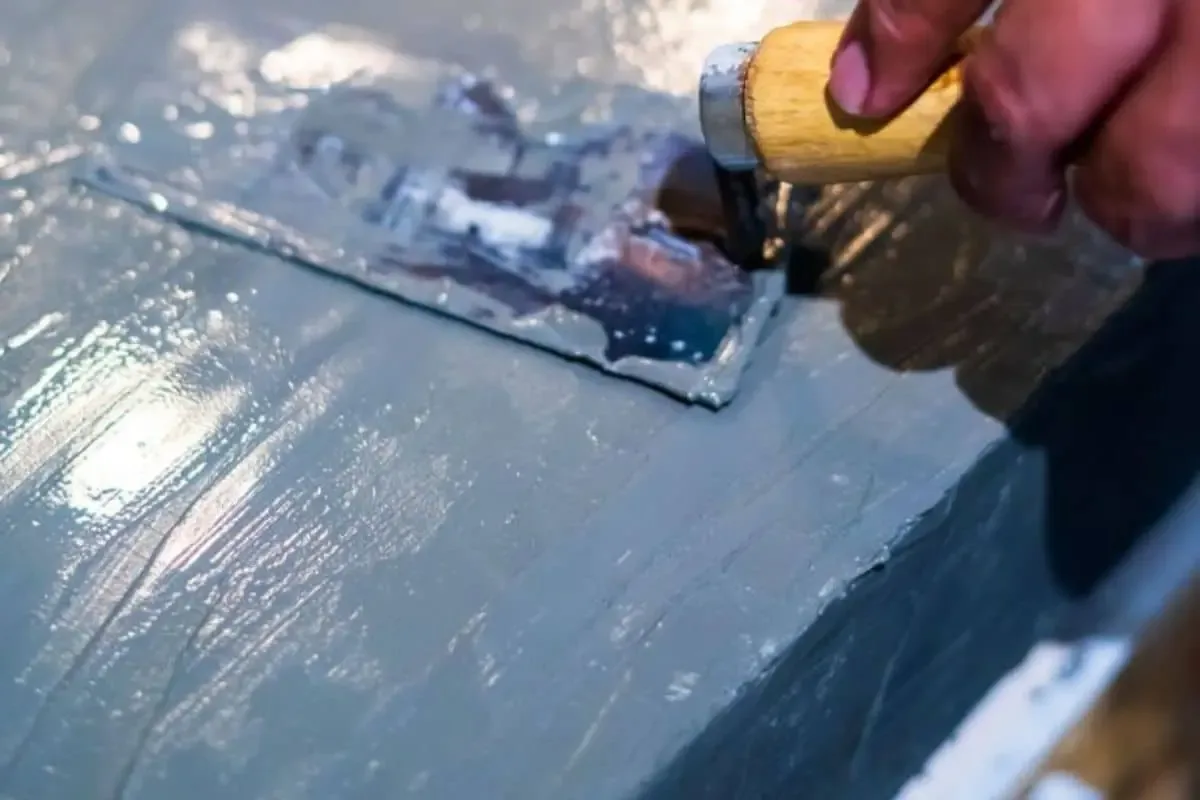
Preparation: Thoroughly clean the surface to remove dirt, dust, stains, and old paint. Proper surface preparation is crucial for adhesion and performance. Moisture testing before application helps determine if the surface is ready.
Repair Cracks: Fill in any structural cracks with a flexible sealant or crack filler to prevent future issues.
Choose the Right Product: Choose a solvent-free, non-yellowing waterproof paint suited to your substrate and exposure conditions. Consider paints with additives that improve waterproofing performance, such as elastomeric coatings that bridge micro-cracks or epoxy coatings that provide a hard, chemical-resistant surface. For guidance on finding the right professionals, check out this guide on choosing the right pool deck resurfacing company. Bituminous coatings, including bituminous mixes, can provide heavy-duty moisture protection.
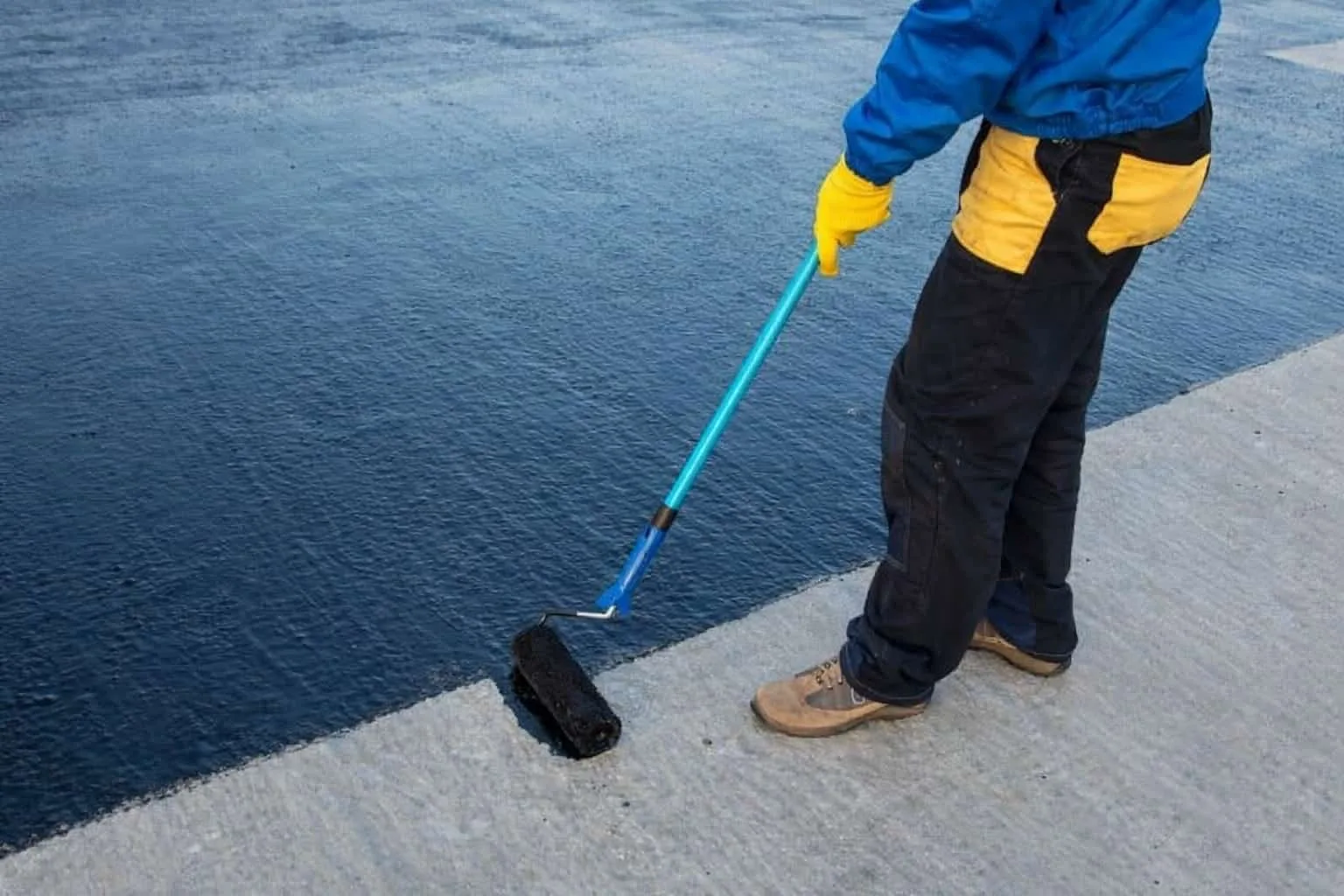
Application: Use a brush, roller, or spray for even coverage. For surfaces like balconies, pipes, or deck areas, consider a thick, durable coating with resin additives for enhanced waterproofing. Bituminous coatings provide a reliable moisture barrier, especially in demanding environments.
Drying Time: Allow adequate time for the paint to cure, usually 24-48 hours, depending on humidity and weather conditions. Ideal application temperatures range between 50°F and 90°F to ensure proper curing.
Multiple Coats: Multiple coats are often needed for complete waterproofing and optimal performance.
Ventilation: Ensure the area is properly ventilated during and after application to promote drying and prevent moisture entrapment.
Sealant Application: Applying a waterproofing sealant over the paint enhances durability and longevity.
Practical Waterproofing Scenarios
These common scenarios show why the full waterproofing assembly matters:
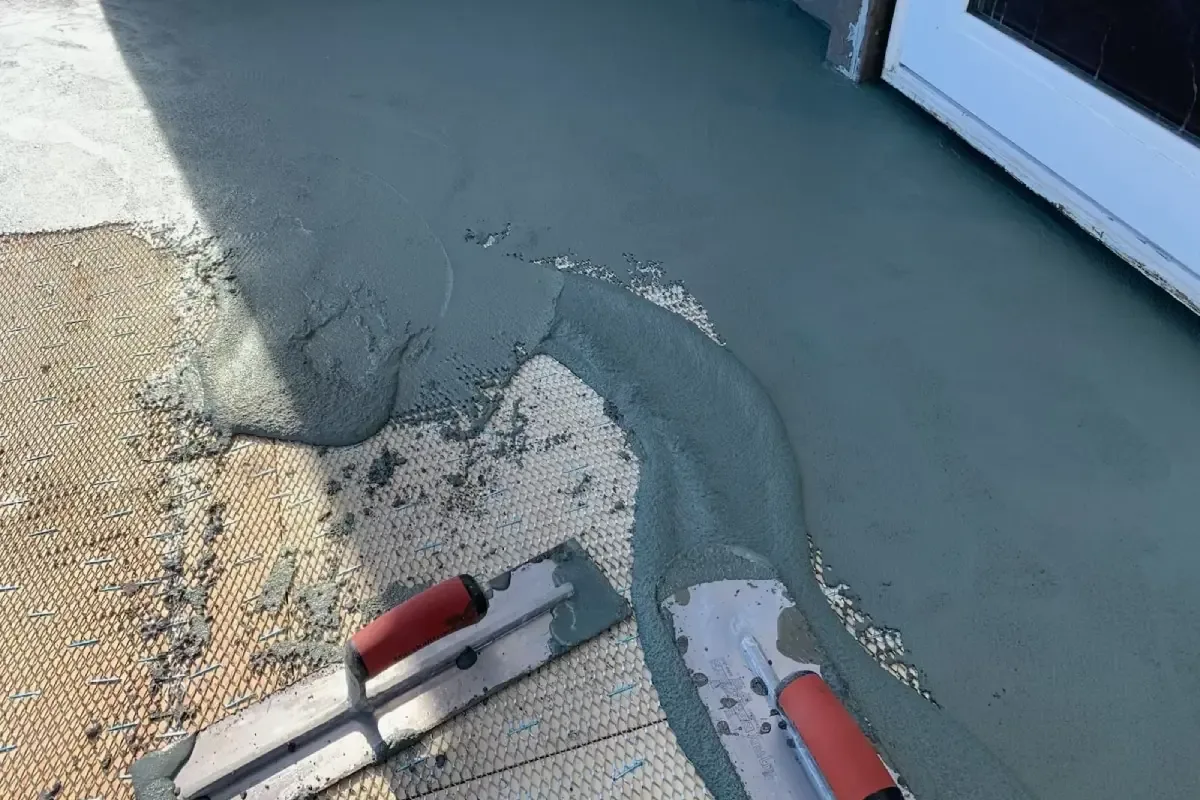
Concrete deck: A worn coating and untreated cracks allow moisture to reach the substrate. Cleaning, repairing cracks, and applying a compatible reinforced coating system restores the protective surface.
Balcony over occupied space: Water can enter at edges, penetrations, and transitions even when the field coating looks intact. Correct flashing and reinforcement details are as important as the finish coat.
What Happens If You Wait?
Delaying waterproof painting can lead to irreversible damage. The longer you wait, the more likely you are to face serious issues like mold infestations, musty odors, and crumbling walls. Consider the potential loss of time and money, and clear up common misconceptions about waterproofing so you can act now and avoid the headaches of remediation later. Without waterproof painting, moisture can seep into your walls and cause long-term structural damage. Additionally, trapped moisture can create hydrostatic pressure behind walls, potentially leading to foundation issues.
Addressing Common Concerns
Many homeowners hesitate to start waterproof painting for various reasons. Here’s how to tackle those concerns:
Cost: Upfront costs may seem high, but the long-term savings can be significant. One coat can prevent thousands in repairs.
Effectiveness: Some people doubt the durability of waterproof paint. However, when applied correctly, high-quality waterproof paints last for years and withstand harsh conditions, including exposure to rain, abrasion, and even oil stains. For more insights into how these finishes perform, check out this guide on EPA guidance on moisture and mold control.
Time Commitment: Many fear the project will take too long. With proper preparation, you can complete most jobs in a weekend.
Sealing the Deal: The Next Steps
If you've decided to invest in waterproof painting, the next step is easy. Start by evaluating your surfaces and choosing the right products. Need expert guidance? Book a consultation with us today to discuss your waterproofing needs. With our help, you can protect your home effectively and efficiently.
Summary
When done correctly, waterproof painting is an effective and economical way to protect your home from moisture damage. It requires proper surface preparation, the right product choice, and adherence to application guidelines. While it isn't a standalone solution for severe water intrusion or hydrostatic pressure, it plays a vital role in a comprehensive waterproofing strategy by enhancing durability, aesthetics, and indoor air quality.
Frequently Asked Questions
What is waterproof painting?
Waterproof painting involves applying specialized coatings designed to prevent water penetration and protect surfaces from moisture damage. These coatings often include resin and bituminous elements to improve waterproofing.
Can I apply waterproof paint over existing paint?
Yes, you can apply waterproof paint over existing paint, but ensure the surface is clean and in good condition. Repair any structural cracks before applying it to prevent issues and improve adhesion.
How long does waterproof paint last?
When applied correctly, high-quality waterproof paint can last 5 to 10 years, depending on the surface, environmental exposure, and treatment quality.
Is waterproof paint suitable for bathrooms?
Yes, waterproof paint is ideal for bathrooms because it protects against moisture and helps prevent mold growth. Choose a product specifically designed for high-humidity environments and surfaces prone to vapor exposure.
What surfaces can I use waterproof paint on?
Waterproof paint works on many different surfaces, including concrete, wood, metal, drywall, furniture, and flooring, making it versatile for both interior and exterior use.
What are some recommended waterproof paints?
Popular options include Rust-Oleum's Mathys Murfill, which is 100% waterproof and 400% elastic; Zinsser Watertite, which can stop up to 34 psi of water pressure; Birla Opus Alldry Total 2K, which resists dampness; and Birla Opus Alldry Wall n Roof 10, which resists 10 bar water pressure. For flexible and UV-resistant options, EPODEX 2K PU Paint is widely used.
Can waterproof paint trap moisture?
Yes, waterproof paint can trap moisture inside walls if underlying water intrusion issues are not fixed. This can lead to hydrostatic pressure buildup and potential damage. Proper surface preparation and addressing moisture sources before painting are essential to avoid this.
What is the role of bituminous coatings in waterproof painting?
Bituminous coatings provide heavy-duty moisture protection, especially for surfaces exposed to significant water pressure. They are often used in demanding environments and can be installed as part of a multi-layer waterproofing system.
How do elastomeric coatings help in waterproofing?
Elastomeric coatings are flexible and can bridge micro-cracks, providing long-term protection against water ingress and humidity. They suit exterior surfaces that experience minor movement.
What are marine paints?
Marine paints are specialized waterproof coatings designed to protect boats above and below the waterline. They offer excellent adhesion, chemical resistance, and protection against saltwater and marine growth.
How important is surface preparation?
Surface preparation is crucial for effective waterproof painting. Cleaning, moisture testing, and repairing cracks or defects ensure proper adhesion and prevent paint failure.
What weather conditions are ideal for applying waterproof paint?
Ideal application conditions involve temperatures between 50°F and 90°F with low humidity. Avoid painting in rain or during extreme temperature swings to ensure proper curing and performance.
How can I fix cracks before waterproof painting?
Use flexible sealants or waterproofing-grade crack fillers to repair cracks. This prevents water infiltration and improves the waterproof paint's durability.
Can waterproof paint be used on floors and furniture?
Yes, some waterproof paints offer abrasion resistance, making them suitable for floors, furniture, and other surfaces that undergo regular wear.
What is the benefit of applying a waterproofing sealant over paint?
A waterproofing sealant improves the paint's durability and longevity by adding a protective layer against moisture and environmental damage.
What is a damp-proof course (DPC)?
A DPC is a structural barrier installed within walls to prevent moisture from rising through capillary action. It is essential for chronic dampness issues and complements surface waterproofing treatments.
How does waterproof painting help prevent musty odors?
By creating an airtight seal, waterproof paint blocks moisture and the associated fungal growth that causes musty odors, especially in basements and damp areas.
What is hydrostatic pressure and how does it affect waterproof painting?
Hydrostatic pressure is the force exerted by water accumulating behind walls or foundations. Waterproof paint alone cannot relieve this pressure and may trap moisture, potentially causing structural damage if not addressed.
Can waterproof paint be applied to damp surfaces?
Some advanced waterproof paints, like Zinsser Watertite, can be applied to damp surfaces. However, surface moisture generally affects adhesion and performance, so drying and moisture testing are recommended before application.
What additives improve waterproof paint performance?
Additives like waterproofing agents, resins, and elastomeric components improve flexibility, adhesion, and water resistance, enhancing the longevity and effectiveness of waterproof paints.
How long should waterproof paint cure?
Curing times vary but generally range from 24 to 48 hours. Follow manufacturer guidelines and ensure proper ventilation during curing for optimal performance.
What is the difference between waterproof paint and varnish?
Waterproof paint creates a moisture barrier and is pigmented for color and protection, while varnish is a clear protective finish mainly for wood surfaces, enhancing durability and appearance but not necessarily waterproofing.
Can you use waterproof paint on metal surfaces?
Yes, waterproof paint suitable for metal protects against rust and corrosion. Some products are designed for multiple surfaces, including metal, wood, and concrete.
How does waterproof paint help with humidity?
Waterproof paint reduces moisture penetration, lowering indoor humidity levels and preventing damage to appliances, electronics, and building materials.
What role do epoxy coatings play in waterproof painting?
Epoxy coatings provide a hard, chemical-resistant, durable, waterproof surface, ideal for floors and areas exposed to chemicals and heavy wear.