What You’ll Learn:
- The importance of choosing the right pool deck non-slip coatings to ensure safety, durability, and temperature control.
- Step-by-step guidance on preparing, applying, and maintaining non-slip coatings for concrete pool decks.
- Real-world examples and expert tips to help prevent slips, reduce surface temperatures, and protect your pool area investment.
Your pool deck is a liability until you treat it
More than 200,000 slips and falls happen at residential pools each year, many on wet concrete surfaces where a single misstep can mean weeks of recovery or a homeowner’s insurance claim. If your pool deck gets slick after rain or when it’s wet from pool chemicals, you need targeted fixes, not generic pool-deck paint. You want a durable pool deck waterproofing solution in Orange County with non-slip coatings that cut surface temperatures, protect patio furniture, and keep kids, guests, and passersby safe. Who wants a lawsuit or a hospital bill? Act now.
Why most pool decks stay dangerously slippery
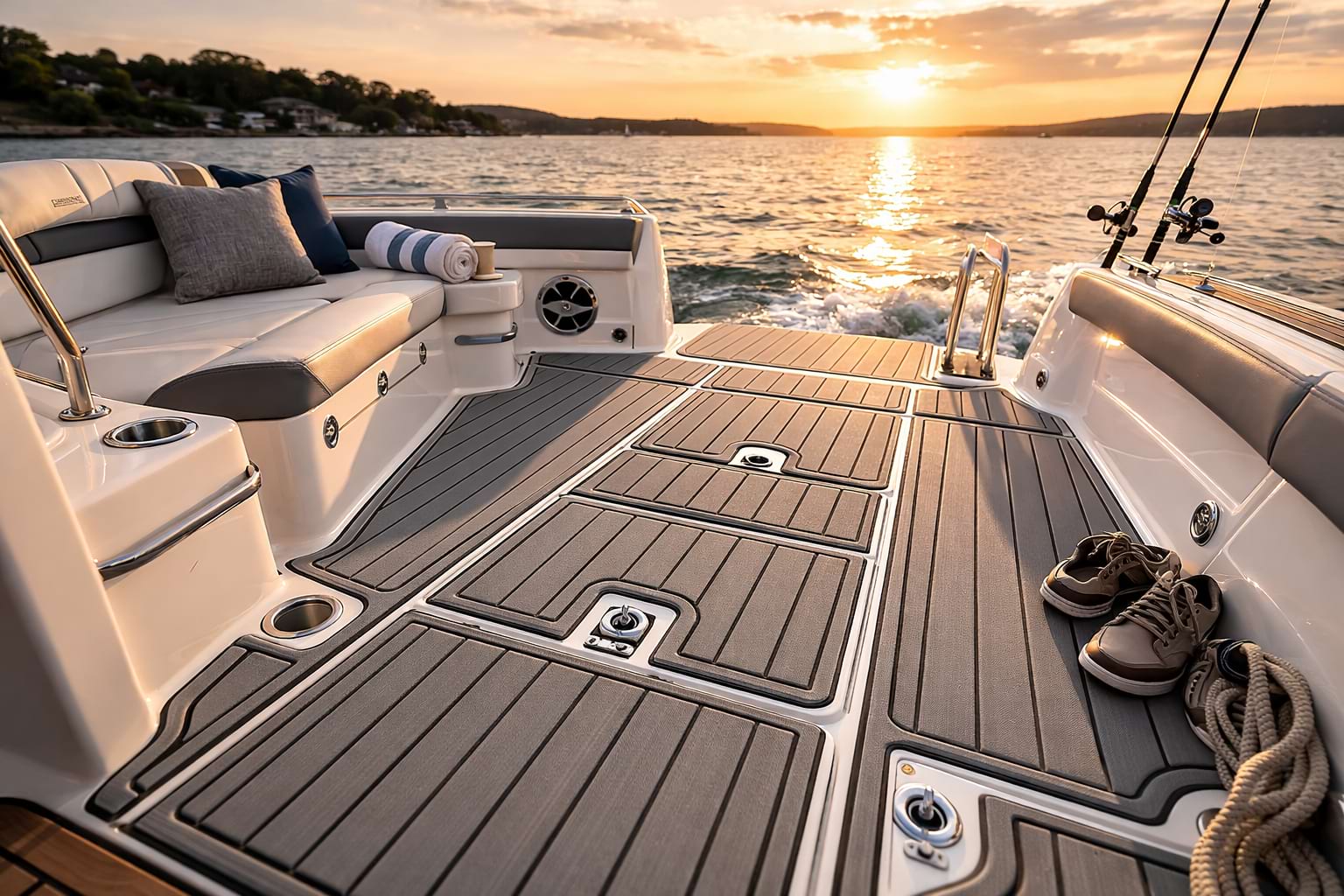
Pools create a hostile surface environment. Bare concrete and concrete deck finishes pick up soap, oil, sand, and dirt. Direct sunlight cooks the surface, while pool chemicals and humidity break down paints and sealers. Kool Deck and old acrylic coatings can peel and become slick when worn and covered in mildew. If you can barely walk on your concrete when it’s wet, the cause is material, wear, and environment. That combo gets worse over time, much like specialized surfaces like boat decks must be designed to withstand constant moisture, heat, and heavy use.
Common failure modes
- Worn pool-deck paint or coating that has lost grip
- Cracks and chipping that collect dirt and create slick zones
- Wrong sealer or clear coat that yellows or peels under the sun and pool chemicals
- Applying a single coat when the manufacturer recommends a primer and two coats
Real examples that prove what works
Case study 1: Marina Bay HOA. The HOA recorded 12 slip incidents in one season on a 3,200-square-foot concrete deck. We replaced failing Kool Deck patches with a textured acrylic non-slip coating system, applied two coats with broadcast sand for grip, and sealed edges with a non-yellowing sealer. Outcome: six months later, slip incidents dropped to 1, member complaints fell by 87%, and surface temperatures dropped 6°F in direct sun because the coating reflected heat.
Case study 2: the Smith family pool. Their 500-square-foot bare concrete patio became slippery after rain. They tried a DIY pool-deck paint kit, but it chipped and peeled after one season. We prepped the concrete, repaired cracks, applied a water-based primer, and then a two-coat anti-slip coating in a light color to reduce temperature. Cost was $2,700, downtime was 48 hours, and the family reported no slips, less staining, and a cooler surface for bare feet.
Note: Prices are just examples and may not reflect actual costs.
What happens if you do nothing
Ignoring a slippery pool area costs more than the anxiety it causes. A single hospital visit can cost more than $10,000. If your homeowners association loses members or a rental faces a liability claim, lost revenue could range from $5,000 to $50,000, depending on the settlement. Even without incidents, delaying maintenance leads to progressively more expensive fixes when chipping, peeling, mildew, and deeper cracks require full resurfacing. One reason it’s important to find the right waterproofing contractor is that small issues turn into major structural repairs.
If you act now, you preserve coverage and safety. If you delay, you increase risk and repair costs. Wait 12 months, and a $2,000 touchup can turn into a $10,000 concrete-deck overhaul.
Note: Prices are just examples and may not reflect actual costs.
Choosing the right pool-deck non-slip coating
Not every product labeled non-slip will work on concrete. Choose based on material, sun exposure, and pool-chemical contact. Each option trades off grip, durability, surface temperature performance, and maintenance. Be realistic: some systems need more prep but last far longer, which is why it helps to choose the right deck repair contractor in Orange County, CA to evaluate your surface and recommend the best system.
Note: Prices are just examples and may not reflect actual costs.
Match product features to your needs
- Heavy pool-chemical exposure: pick non-yellowing, non-flammable coatings and a compatible sealer
- Direct sunlight and hot feet: choose a light color to reduce temperature
- Frequent hosting and patio furniture: choose a durable coating that resists chipping and stains
Step-by-step to a safe non-slip surface
Follow these steps to convert a slippery pool deck into a long-lasting, slip-resistant surface. This plan raises confidence and cuts risk compared with guessing with generic paint.
- Inspect and clean the surface. Pressure-wash to remove soap, oils, sand, dirt, and mildew. Use a degreaser to remove stains, then let the concrete dry.
- Repair cracks and patch chips; grind high spots. For large cracks, use a concrete mix and an appropriate sealer to keep the surface sealed.
- Choose a primer suitable for bare concrete. Many systems require a primer and two coats. Follow the manufacturer’s coverage to avoid thin spots that peel.
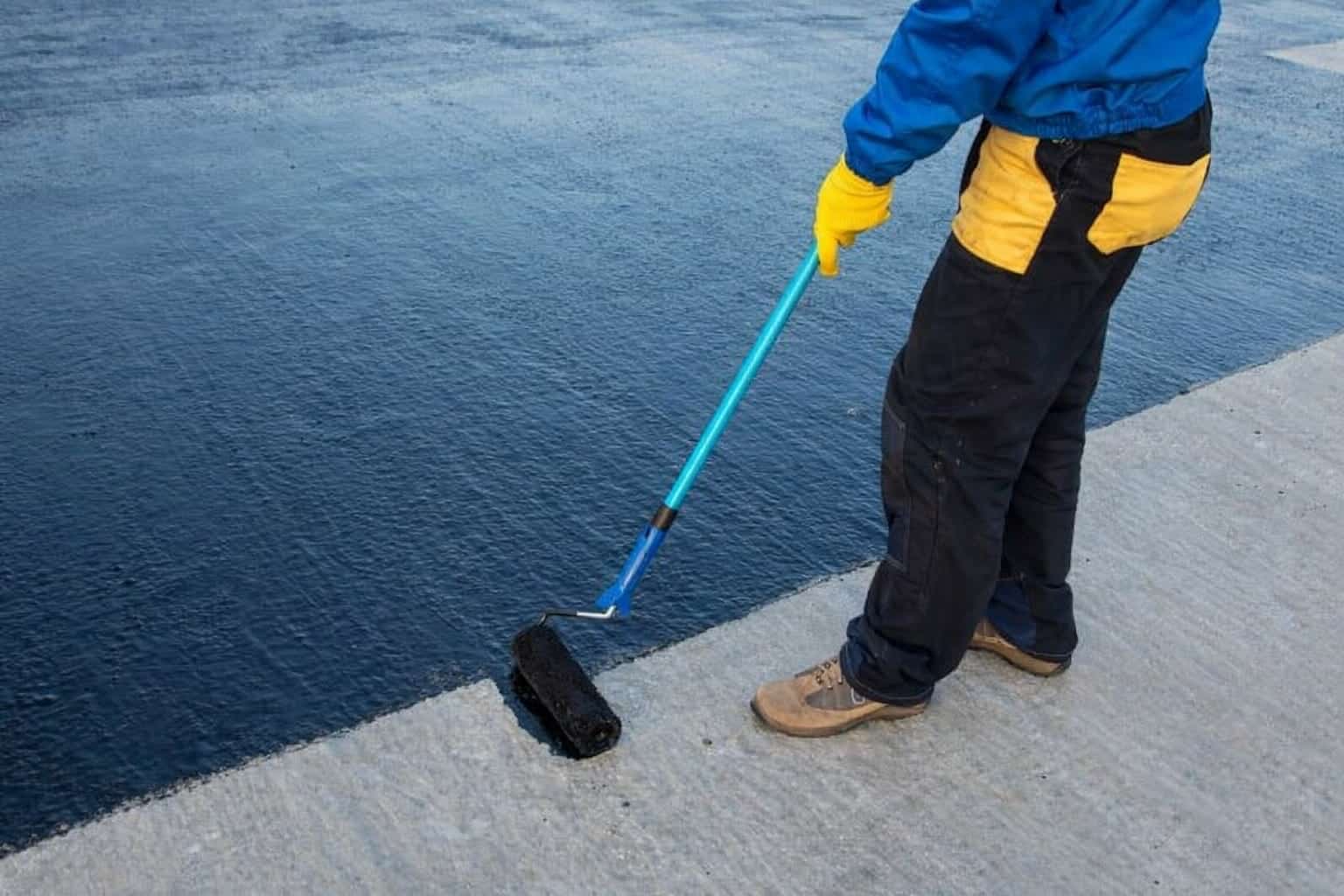
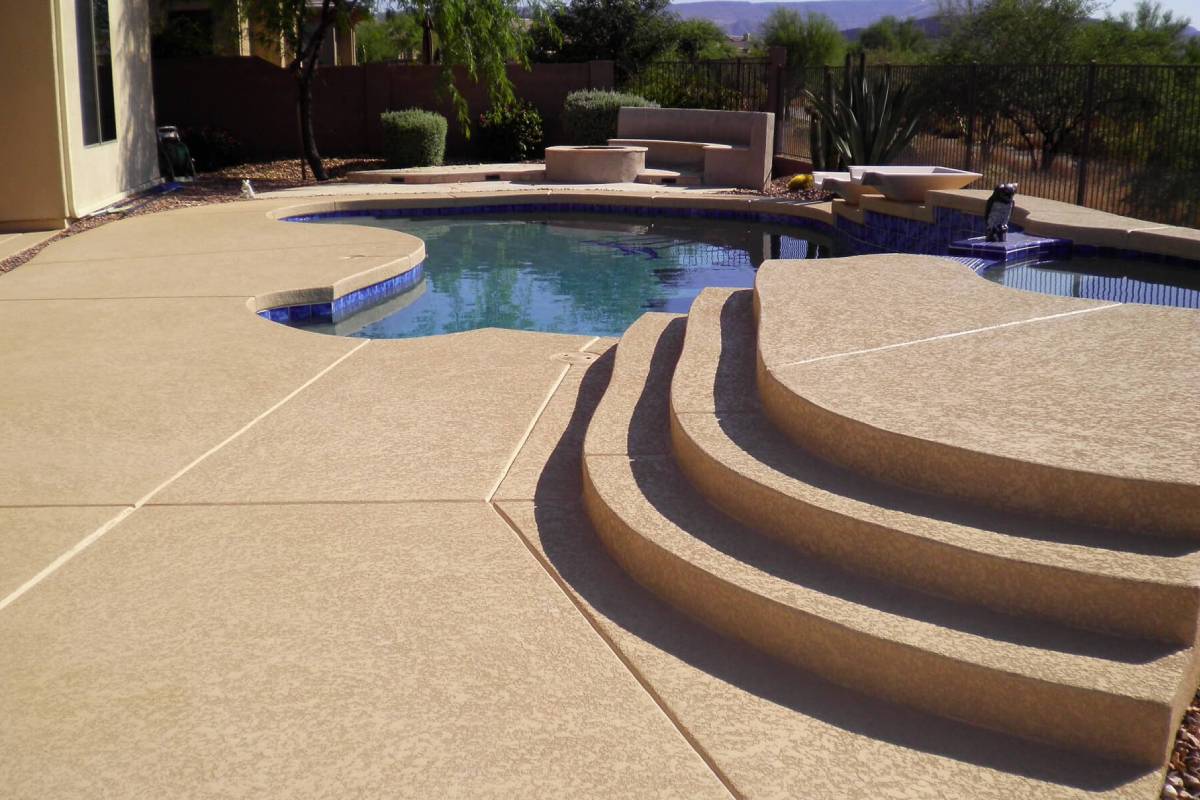
- Apply the first coat with a roller or sprayer, depending on the product. Broadcast sand or anti-slip grit while wet for extra grip, then wait the recommended cure time before the second coat. For a deeper breakdown of the process, see how you can get a slip-resistant pool deck surface.
- Apply the second coat per instructions. Some systems need a clear sealer on top to protect against pool chemicals and humidity.
- Allow full cure. Some water-based systems are walkable in 24 hours, but full chemical resistance can take 7 days. Use furniture pads when you return items.
Practical notes: Use a brush on edges and a roller for flat areas. Calculate gallons by dividing square footage by product coverage. A typical 500-square-foot deck may need 2 to 5 gallons per coat, depending on coverage. Keep a small touch-up kit on hand to prevent chipping and peeling over time.
Handle common objections
Objection 1: DIY coatings are cheaper. Many homeowners try pool-deck paint kits, but cheap coatings often peel or yellow in the sun and under pool chemicals, resulting in extra costs and downtime. Professional systems with primer and two coats can reduce long-term cost by about 40% over three years.
Objection 2: Surface temperatures. Pick a light-colored acrylic or water-based coating to cut heat. Some coatings tout cool technology and can shave peak surface temperatures by 5 to 10°F, keeping barefoot walking comfortable even in hot sun. Using protective sealers for decks can also help reduce heat absorption while protecting the surface from moisture and chemical damage.
Objection 3: maintenance and chemicals. Select a non-yellowing, chemical-resistant sealer and topcoat rated for pool chemicals. Regular cleaning with mild soap and a gentle brush prevents grit loss and keeps grip. Inspect annually and plan for a second coat every 3 to 7 years to keep the surface sealed.
Make the move from insight to execution
If you want to avoid trial and error, book a free inspection with a qualified installer who measures surface temperatures, tests adhesion on your concrete, and recommends the right slip coating. After you book an inspection, the inspector will assess cracks, determine whether your Kool Deck needs replacement, measure the impact of sun, rain, and humidity, and then provide a firm quote and timeline—typical turnaround: 2 to 5 days to prep and coat a 500 to 1,000-square-foot pool deck.
Friction-reduction planning means you’ll know the exact cost, gallons needed, and cure time before work starts. No surprises, no guesswork. You also get a maintenance sheet with stain removal tips, how to avoid soap build-up, and when to schedule a second coat.
Decide now and eliminate the biggest immediate risk
You can keep crossing your fingers and hope nobody slips, or you can take one decisive step that removes the biggest immediate risk: book a free inspection. The fastest way to avoid DIY mistakes and reduce future repair costs is to get a professional assessment. After the inspection, you’ll receive a line-item estimate, recommended materials such as acrylic anti-slip or epoxy broadcast, and a guaranteed start date: no hard sell, just a clear path to a cooler, safer, slip-resistant surface. You can also explore additional surface options, such as non-slip pool decking tiles, for safety and style, and compare materials and design choices.
If you’re ready to skip trial and error, book a free inspection today and get a tailored plan for your pool deck surface, including options to reduce surface temperatures, protect patio furniture, and keep your pool area safe.
Frequently Asked Questions
Longevity of non-slip coatings on concrete decks?
Longevity depends on material and use. Acrylic anti-slip systems last roughly 3 to 7 years; epoxy broadcast systems can last 5 to 10 years under moderate use. Proper prep, two coats, and a compatible sealer greatly extend life.
Applying a coating over bare concrete or old paint?
Yes, but prep is critical. Bare concrete often needs etching and a primer. Old paint may require stripping or a test patch to confirm adhesion. Repair cracks and remove dirt, sand, and mildew before applying any coating.
Cleaning after adding sand or grit?
Broadcast sand increases grip and can trap dirt, but routine cleaning with a gentle brush and mild soap removes residue. Avoid oil-based cleaners, as they can reduce slip resistance.
Temperatures and barefoot comfort with coatings?
Light-colored coatings and reflective formulations can reduce surface temperatures by several degrees. Color choice and material affect barefoot comfort more than aggregate does.
Sealer needed after a non-slip coating?
A clear sealer protects against pool chemicals and UV and prevents yellowing. Some systems are self-sealing, but many recommend a non-yellowing clear sealer as a topcoat for long-lasting protection.
Cure times and when to use the pool area?
Cure times vary by product. Many water-based systems are walkable in 24 hours, but avoid heavy furniture and pool chemicals for 3 to 7 days to reach full chemical and abrasion resistance.
After a free inspection, what happens?
An inspector will test adhesion, measure surface temperatures, recommend a primer and the right coating, provide a written estimate with gallons and coverage, and schedule a prep and application date. You will receive maintenance instructions and, if applicable, a warranty document.
Pool Deck Paint Basics and Limitations
Pool deck paint is often the first solution homeowners consider for improving slip resistance and appearance. While it can add color and some protection, typical pool deck paint alone often lacks the durability and slip resistance needed for safety around wet areas. Paints may peel, chip, or yellow quickly under sun and pool chemical exposure, making them a short-term fix rather than a lasting solution. For best results, pool deck paint should be part of a system that includes primers, sealers, and anti-slip additives.
Durable and Slip-Resistant Deck-O Coatings
Deck-O coatings are specialized acrylic-based sealers designed to provide a clear, durable, and slip-resistant surface on concrete pool decks. These coatings often include slip-resistant additives and offer improved resistance to pool chemicals, UV rays, and wear. Deck-O products create a protective film that enhances grip without compromising comfort, making them an excellent choice for maintaining safety and aesthetics on concrete pool decks. Applying Deck-O coatings typically involves thorough surface preparation, two coats, and, in some cases, a clear sealer for added protection.
Anti-Slip Additives Enhancing Safety and Traction
Adding anti-slip additives such as sand, rubber granules, or quartz to pool deck coatings is a proven method to increase traction on wet surfaces. These additives create a textured surface that reduces the risk of slips and falls, even when the deck is soaking wet. Anti-slip treatments can be mixed into paints, sealers, or coatings and are essential for pool areas with high foot traffic or where safety is a priority. Proper cleaning and maintenance ensure that these textured surfaces remain effective over time without trapping excessive dirt or grime.