
What You’ll Learn:
- California’s Balcony Inspection Laws, including SB 721 and SB 326, mandate periodic safety inspections of Exterior Elevated Elements (EEEs) such as balconies, decks, and stairways in multifamily buildings and condominiums to prevent tragedies like the 2015 Berkeley balcony collapse.
- Building owners and HOA boards must engage qualified professionals to inspect structural integrity, waterproofing, and load-bearing components, with required repairs completed promptly to comply with safety codes and avoid fines or legal liabilities.
- Understanding the inspection process, deadlines (notably January 1, 2026), and maintenance responsibilities helps protect property value, ensure resident safety, and avoid costly emergency repairs or penalties.
Balcony Law Compliance and Why Proper Waterproofing Protects Lives
California’s balcony law isn’t bureaucratic red tape designed to make life harder for property owners. It’s a tombstone. Written in the wake of a horrific tragedy, ignoring it is playing Russian roulette with your property, your finances, and potentially, human lives.
On June 16, 2015, a fifth-floor balcony in Berkeley collapsed during a birthday party, killing six students and seriously injuring seven others. The cause? Severe dry rot in the wooden joists is a hidden killer that compromises the structural integrity of the entire elevated structure, often preventable through professional balcony waterproofing in Orange County, CA. That tragic balcony collapse haunts every line of Senate Bills 721 and 326. So, when you ask why you should care, the answer is simple: prevention is a legal mandate, not an optional expense.
Safeguard Your Investment: Decoding Senate Bills 721 and 326
California responded to the Berkeley tragedy with two key pieces of legislation, often referred to as the “balcony inspection law.” While they have subtle differences, their goal is the same: to prevent another catastrophe by mandating periodic inspections of Exterior Elevated Elements (EEEs).
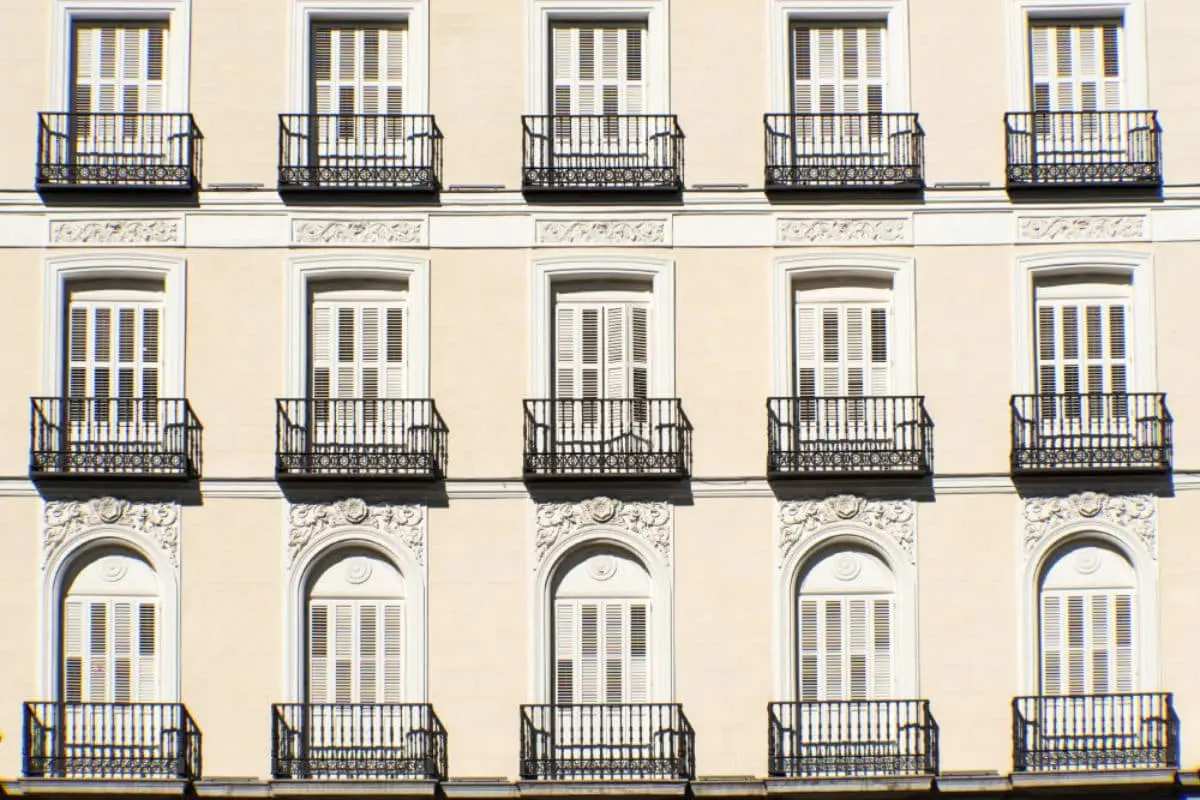
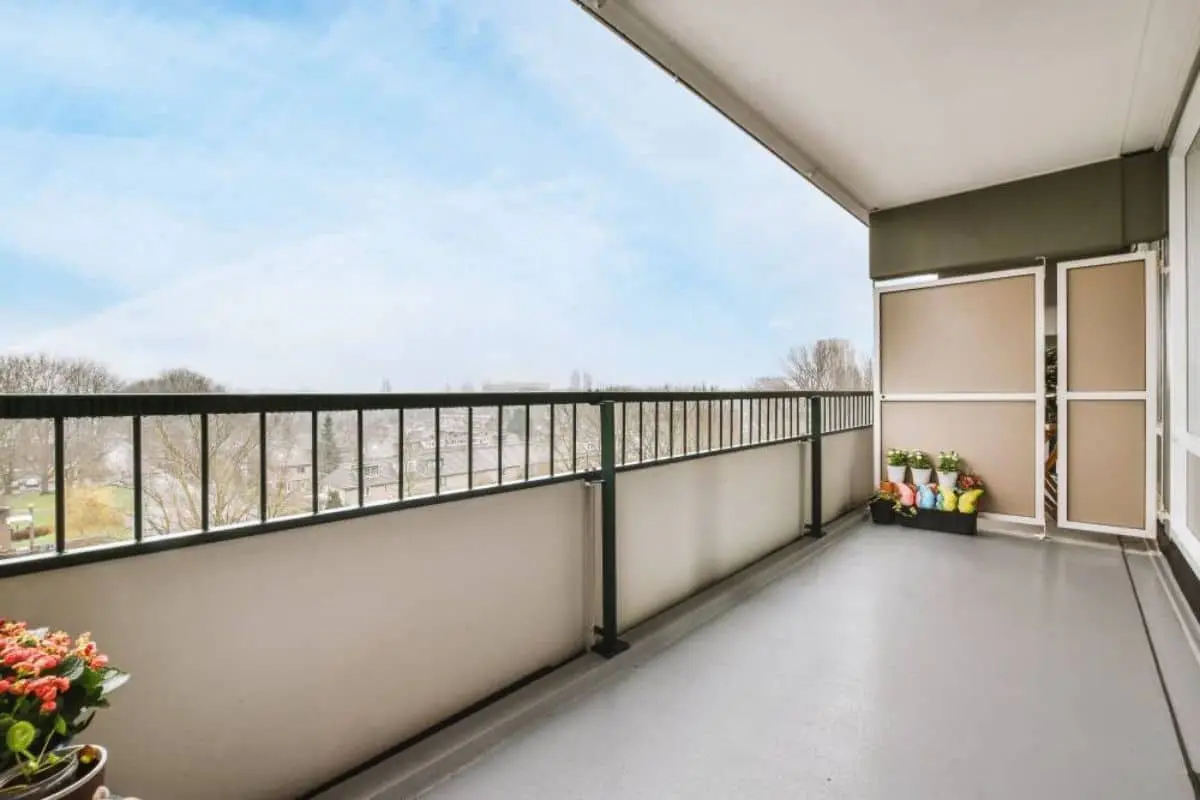
What exactly are EEEs? They are the structures you see every day: balconies, decks, porches, stairways, walkways, and entry structures. If they are more than six feet above ground level, designed for human occupancy, and rely on wood-based products for structural support, they fall under this critical law.
Here is the breakdown:
- SB 721 (The Apartment Law): This applies to apartment owners with buildings containing three or more units. It is the primary safety code for most multifamily buildings, ensuring tenant safety.
- SB 326 (The Condo Law): This applies to condominium associations and is managed by the HOA board. It requires similar inspections to be included in their reserve study to protect all unit owners.
Both laws require these building elements to be inspected by a qualified professional, such as a licensed architect, engineer, or general contractor with specific experience. They meticulously inspect for anything that threatens the structural integrity of these elevated exterior elements, especially issues with load-bearing components and their associated waterproofing, as detailed in the ultimate waterproof coating guide for wood deck protection and maintenance. Your first inspection deadline approaches rapidly, and missing it is not an option for responsible property management.
The Financial and Legal Cost of Delaying Required Property Inspections
Let’s talk numbers. Some property owners see “required inspections” and immediately think “expense.” That is the wrong way to look at it. An inspection is an investment in your property’s longevity and safety; ignoring the law is a guaranteed liability with staggering costs.
The cost of inaction is not just a potential fine from local building departments. It is a cascade of financial and legal pain, risks underscored by the importance of regular deck inspections. Waiting until you have obvious hazardous conditions is already deep trouble. The difference between proactive steps and reactive panic is enormous, potentially saving you hundreds of thousands of dollars.
Table: Comparing the financial impact of proactive vs. reactive balcony maintenance.
Note: Prices are for illustration only and may not reflect actual costs.
Delaying your first inspection pushes you squarely toward the right side of that table. A minor issue with a walking surface today becomes a complete structural replacement tomorrow. The choice is between managed, preventive measures and a full-blown crisis.
A Clear Choice Between Long-Term Asset Protection and Escalating Legal Liability
Every multifamily property owner in California stands at this fork in the road. Your decision in the next few months will define your risk profile for the next decade.
On one path, you have the proactive owner. They understand the balcony law. They see the initial inspection deadline of January 1, 2025, not as a finish line, but as a starting gun. They partner with a reputable firm to have their California balcony inspections completed early, often incorporating protective solutions such as professional deck sealers. If inspection reports identify issues, they schedule the required repairs methodically, controlling costs and timelines, and maintaining property value.
On the other path is the procrastinator. Objections bog them down:
- “It’s too expensive and complicated.” This owner fails to see that a $2,000 inspection is a rounding error compared to a $200,000 lawsuit for structural failure. The process is not complicated when you hire a professional to handle it, making compliance effortless.
Note: Prices are for illustration only and may not reflect actual costs. - “My balconies look fine.” This is the most dangerous objection. The Berkeley balcony’s exterior elements looked passable, but its structural heart was rotten. The law exists precisely because the deadliest threats, like moisture intrusion and compromised structural loads, are invisible to the naked eye.
- “The deadline was recently extended to 2026 for some; I have time.” Big mistake. The reason for any extension is the massive bottleneck of qualified inspectors. As the deadline nears, prices will skyrocket, and availability will vanish. Waiting guarantees you will pay more for a rushed job, if you can even find someone. You risk non-compliance simply because you waited too long, and you could face penalties and potential property closure.
The proactive owner protects their asset. The procrastinator gambles with it. Which one are you?
What a Proper California Balcony Inspection Actually Involves
Getting this right is not about a person kicking a few posts. A real safety inspection is a forensic analysis of your elevated structures, which is exactly why you should care about the California balcony law. Knowing the process removes uncertainty and fear, replacing them with a clear path to compliance.
When you work with a professional team like Prestige Decking, we demystify the entire inspection. Here is what happens after you schedule your California balcony inspection:
- Initial Assessment: We review your property plans for buildings with 3 or more units and identify all EEEs requiring inspection, ensuring no critical areas are missed.
- On-Site Inspection: A licensed and qualified inspector examines a statistically significant sample of your balconies, walkways, and other elevated structures. This involves more than just a visual check.
- In-Depth Investigation: We use advanced tools such as moisture meters and borescopes to examine the interior of the structure, assessing the condition of load-bearing components and structural elements without causing unnecessary damage. We meticulously hunt for dry rot, corrosion, and waterproofing failures that could compromise safety.
- Thorough Documentation: Every finding is documented with high-resolution photographs and detailed notes. We assess everything designed to deliver structural loads from the EEE to the building’s foundation.
- Comprehensive Inspection Reports: You receive a detailed report, stamped by a licensed professional, that clearly states whether the structures are in adequate working order or pose an immediate safety threat. This report is ready for submission to your local enforcement agency to demonstrate your compliance.
If repairs are needed, the report will outline the necessary repairs and corrective work with specific recommendations. This document is your roadmap to compliance and safety, echoing guidance that California communities must prepare for balcony inspections. The fastest way to get this roadmap and avoid the pitfalls of non-compliance is to contact a qualified inspection service specializing in California balcony laws. Reach out to reputable companies experienced in performing comprehensive balcony inspections to ensure your property meets all safety and legal requirements. You get a clear picture of your property’s health and a plan to address any issues, fulfilling your due diligence and protecting your investment.
Frequently Asked Questions About California Balcony Laws
What is the difference between SB 721 and SB 326?
SB 721 applies to apartment buildings with three or more units and makes the property owner solely responsible for inspections and any necessary repairs. SB 326 applies to condominiums and common interest developments, placing responsibility on the Homeowners Association (HOA) board to conduct assessments as part of its reserve study to ensure collective safety.
Who can perform a balcony inspection?
The law requires a licensed architect, a civil or structural engineer, or a building contractor holding an A, B, or C-5 license, with at least 5 years of verifiable experience in the construction of multi-story wood-frame buildings. Vetting your inspector’s qualifications is vital to ensure a thorough and legally compliant assessment.
What if the inspection finds repairs are needed?
If the report finds conditions posing an immediate threat to safety, the inspector must notify the local building official within 15 days, triggering immediate action. For non-emergency repairs, the owner has a set period (typically 120 days) to complete the repair requirements. A detailed report outlining the necessary repairs provides a clear path forward for any corrective work, ensuring you meet compliance deadlines.
Does this law apply to all exterior elements?
No, it targets explicitly Exterior Elevated Elements (EEEs) that are more than six feet above ground level, rely on wood-based products for structural support, and are designed for human occupancy. This includes balconies, decks, porches, and exterior stairs and walkways on a multifamily property. Ground-level patios or structures made entirely of concrete or steel are generally exempt from these specific inspection requirements.
Act Now: Don’t Wait for a Red Tag on Your Door
This is not a summary. This is your final nudge. The inspection deadline is not a suggestion. It is a legal mandate born from a tragedy you do not want to be associated with. Waiting for your local building department to post a notice of hazardous conditions on your property is a catastrophic failure of your duty as an owner, leading to severe financial penalties and potential property closure.
Every day you delay, the pool of qualified professionals shrinks, and the cost of compliance rises. You choose to move from a position of control to one of desperation. You decide to risk everything on the hope that your hidden structural supports are fine, a gamble that has proven deadly in the past.
Your property’s safety, your financial security, and your peace of mind are on the line. Take the proactive step that protects all three. Schedule your certified balcony inspection with Prestige Decking today and gain the confidence that comes from being compliant, safe, and in control of your valuable assets.