
How to Vet and Hire a Waterproofing Contractor Without Costly Mistakes
That persistent musty odor wafting from your basement or the telltale peeling paint on your deck isn’t just an annoyance. It’s a silent alarm, signaling a potential five-figure repair bill and a quiet thief stealing your home’s value, one water droplet at a time. Many homeowners ignore these warnings, hoping the problem will magically disappear. It never does. Instead, it only escalates, becoming exponentially more expensive.
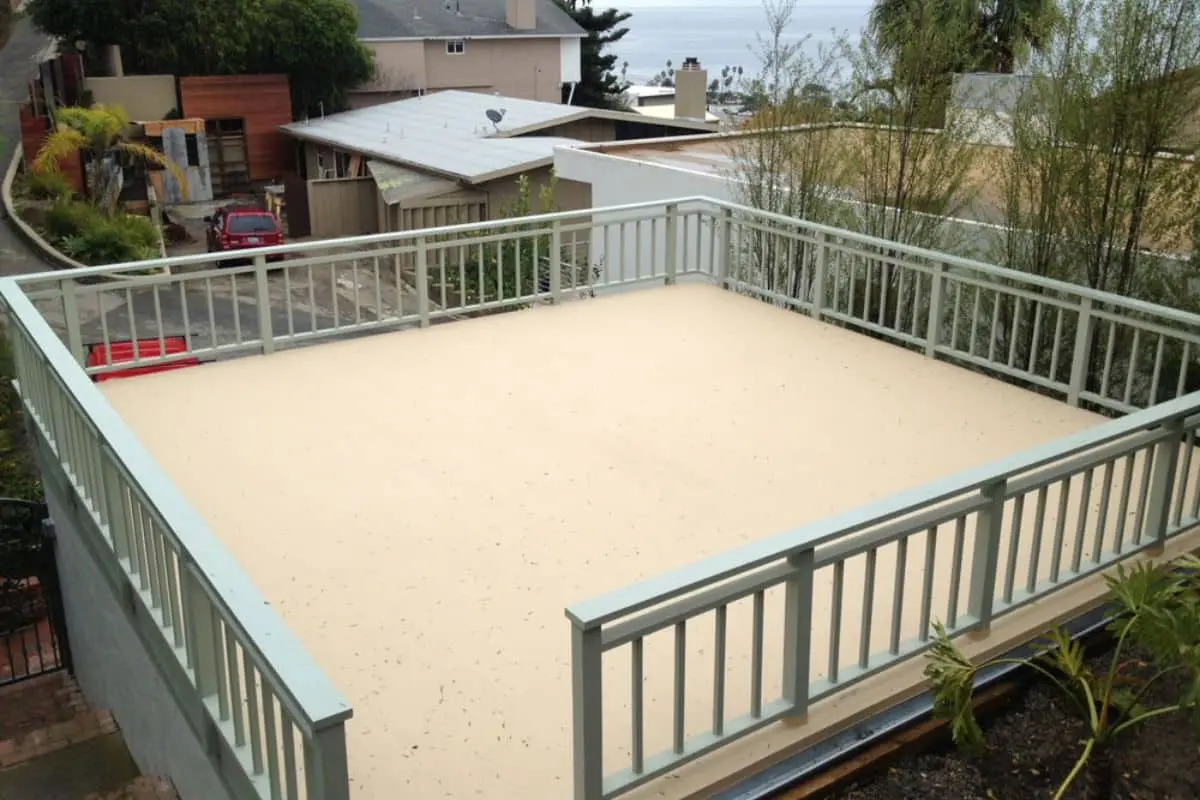
Choosing a waterproofing contractor can feel overwhelming. The market is flooded with options, from one-person operations with a single truck to established, multi-crew firms. However, hiring the wrong one is often worse than doing nothing at all. You could spend thousands of dollars only to find yourself with the same damp walls, a voided warranty, and a deeper financial hole. This guide isn’t just a checklist; it’s a strategic battle plan for finding the right waterproofing contractor and protecting your most significant investment from the ground up – starting with proven deck waterproofing services in Orange County, CA.
The Alarming Cost of “Waiting and Seeing”: Why Inaction Invites Disaster
Let’s confront the real cost of inaction. It’s not the price of a few bags of DampRid. It’s the slow, silent destruction of your property. When moisture infiltrates your home, it doesn’t just sit there; it immediately goes to work, eroding your investment.
First, it attacks your home’s very foundation. Water accumulation from heavy rainfall can exert immense hydrostatic pressure on your basement walls, leading to hairline cracks that quickly escalate into significant structural damage. What begins as a small fissure can rapidly become a repair bill ranging from $10,000 to $30,000, and your insurance company will likely deny coverage, deeming it a maintenance issue.
Then comes the insidious health hazard. Persistent moisture creates the perfect breeding ground for mold growth. Black mold (Stachybotrys chartarum) isn’t just unsightly; it releases spores that devastate your indoor air quality, contributing to allergies, asthma, and severe respiratory problems. Professional mold remediation is another unplanned, four-figure expense, often starting at $2,000 for a small area. The choice is stark: homeowners who act decisively at the first sign of moisture damage save thousands in costly repairs. Those who wait often pay for the problem twice: once for a failed, temporary patch job and again for the professional, lasting fix, which usually requires durable deck sealers designed for long-term moisture protection. This is why timely and effective basement waterproofing is essential to protect your home and health.
Note: Prices are just examples and may not reflect actual costs.
Decoding Waterproofing Methods: Why a “One-Size-Fits-All” Solution Doesn’t Exist
Before you can hire the right professional, you need to speak their language. A common mistake is focusing on a single product, such as a sealant, rather than understanding the comprehensive strategy. The right waterproofing solution depends entirely on how and why water is entering your home.
Exterior vs. Interior Approaches: Stopping Water at the Source vs. Managing Its Entry
An experienced contractor understands that the best defense is a good offense. Exterior waterproofing prevents water from reaching your foundation. This is often the most comprehensive, long-term solution. It involves excavating around the foundation, applying a waterproof membrane (e.g., a polymer-modified asphalt membrane), and installing robust drainage systems (such as French drains) to safely channel water away. While more invasive, it’s the correct fix for serious hydrostatic pressure issues and foundational leaks.
Interior waterproofing, conversely, is a water management system—an approach detailed in the complete guide to professional waterproofing methods for homeowners and builders. It accepts that some water may penetrate the basement walls and focuses on controlling it once inside. This often involves installing interior drainage channels (like a perimeter drain system) that lead to one or more sump pumps, which then pump the water out and away from the house. This can be an effective and more affordable waterproofing method, especially for managing a high water table or minor seepage. Still, it does not prevent water from reaching the foundation itself.
Whether you choose a basement waterproofing company or a basement waterproofing contractor, it is essential to select experienced professionals who understand these distinctions and can recommend the right approach for your home.
Interior vs. Exterior Waterproofing at a Glance
Note: Prices are just examples and may not reflect actual costs.
A truly qualified professional will not push one method over another. They will diagnose the root cause of your moisture problem and explain precisely why a specific combination of waterproofing products and systems is the right solution for your unique situation, whether it involves sealing masonry surfaces against UV rays or installing complex drainage.
The Vetting Gauntlet: Separating Professional Waterproofers from Costly Amateurs
Now for the main event: finding the best waterproofing contractor. This isn’t about a lucky Google search. It’s about a systematic verification process. Follow these steps to effectively filter out 90% of pretenders and ensure you hire a reputable, effective partner.
Step 1: Verify Credentials and Insurance Like a Seasoned Investigator
This is non-negotiable. Do not even consider a contractor who cannot immediately provide proof of being a fully licensed contractor in your state (e.g., a general contractor’s license or specialized waterproofing license). A license proves a baseline of competency and accountability. Equally important is insurance. They need two critical types: general liability and workers’ compensation. Why? If an accident occurs on your property and they are not adequately covered, you could be held personally liable for injuries, property damage, and legal fees. Always ask to see the certificate of insurance. A legitimate waterproofing company will provide it without hesitation from their insurer.
Additionally, ensure they are well-versed in local building codes specific to waterproofing and foundation repair. An improper installation that violates code can cause major headaches when you try to sell your home or if future issues arise.
Step 2: Scrutinize Their Track Record: What Do Past Projects Reveal?
A company’s past performance is the best predictor of its future performance. Don’t just take their word for it; thoroughly investigate their track record using resources like this ultimate guide to low-maintenance outdoor living solutions. Start with online customer reviews on reputable platforms like Google, Angie’s List, and HomeAdvisor. Look for patterns, both positive and negative. One negative review might be an anomaly; a dozen complaining about the same issue (e.g., missed deadlines, poor communication, recurring leaks) is a glaring red flag.
Check their rating with the Better Business Bureau (BBB). A strong rating from the business bureau (e.g., A+ accreditation) demonstrates a commitment to resolving customer issues. But don’t stop there. Ask the contractor to provide at least three references for similar waterproofing projects they have completed in the last 12-24 months. Call those customer references. Ask them specific, probing questions: Was the project completed on time and within budget? Was the final price what you were quoted? How has the repair held up through heavy rainfall or seasonal changes? Would they hire this company again?
Step 3: Analyze the Proposed Solution, Not Just the Price Tag
This is where many homeowners make a critical error: they gather three quotes and pick the cheapest one. That is a recipe for disaster in waterproofing. When you evaluate different contractors, you are not just comparing prices; you are comparing comprehensive solutions. The cheapest bid often comes from someone cutting corners, using inferior waterproofing products (such as a thin, ineffective sealant), or proposing a temporary fix rather than a permanent cure.
A professional proposal from a top-tier waterproofing company will be detailed and transparent—precisely the kind of clarity emphasized when choosing the right deck repair contractor in Orange County. It will explain exactly what they plan to do, why they are doing it, and what specific materials and systems they will use to complete the job (e.g., “We will install a 4-inch perforated drain pipe with a filter fabric, leading to a 1/3 HP sump pump”). If one contractor proposes a simple sealant while another recommends a complete exterior drainage system, you need to understand the fundamental differences and justifications for each approach. Ask questions until you are confident you are investing in a quality service that provides a permanent, long-term solution for preventing water damage—not just a quick patch.
The DIY Trap: Why Waterproofing Isn’t a Weekend Warrior Project
It’s tempting. You see a bucket of “waterproofing paint” at the hardware store and think, “I can handle this and save a fortune.” This is a critical and often catastrophic mistake. Applying a coat of sealant to your basement walls is like putting a Band-Aid on an arterial bleed. You are merely hiding the symptom, not curing the underlying disease.
Effective waterproofing requires a precise diagnosis of the source of the moisture—an approach emphasized in guides on how to find a reliable basement waterproofing company. Is it condensation from high humidity? A structural foundation crack? Improper grading around your home? Is hydrostatic pressure pushing water through the concrete? Each problem requires a distinct, specialized approach. A DIY job that fails to address the root cause will, at best, fail within a year, leaving you right back where you started. At worst, it can trap moisture inside the concrete, accelerating decay, fostering hidden mold growth, and turning a solvable problem into a catastrophic, multi-thousand-dollar nightmare. This is a job for experienced contractors who understand the complex dynamics of water intrusion and how to make your home dry and keep it that way. Do not turn a solvable problem into an unmanageable one to save a few dollars upfront.
Your Blueprint for a Dry Home: From First Call to Lasting Protection
You’ve seen the risks of waiting and the pitfalls of choosing the wrong help. The path forward is not complicated; it is decisive. This is the point where you move from worrying to solving. Taking action is the obvious next step. You need a precise diagnosis from a professional who has seen it all.
Here’s what that transparent process looks like, with no surprises. When you work with a professional waterproofing service, they remove the uncertainty. The first step to a permanently dry home and a functional basement or crawl space is understanding the true scope of your waterproofing needs. This isn’t something you can guess from a YouTube video or a quick online search. It requires an expert eye and specialized diagnostic tools.
The fastest way to avoid costly mistakes and get a definitive answer is to have a professional assess the situation. Schedule your free, no-obligation waterproofing assessment today and get a clear, personalized action plan from our certified experts. Here’s what happens next: a qualified expert will visit your property, conduct a thorough inspection of your foundation, crawl space, or deck, accurately identify the source of the moisture, and provide you with a detailed, written proposal outlining the right waterproofing solution tailored specifically for your home. No pressure, no sales gimmicks, just a clear path to a lasting solution and peace of mind.
Frequently Asked Questions About Waterproofing
How do I choose a waterproofing contractor for home improvement projects? My location is the United States.
To choose a waterproofing contractor for home improvement projects in the United States, verify that they are fully licensed and insured, experienced with similar projects, and knowledgeable about local building codes and safety standards. Check their customer reviews and references, ensure they provide a detailed written contract, and offer a strong warranty covering both materials and labor. Prioritize contractors who give a thorough inspection and recommend the right waterproofing solution tailored to your home’s needs.
What is the difference between interior and exterior waterproofing?
Exterior waterproofing proactively prevents water from reaching your home’s foundation by creating a barrier outside, often involving excavation and the application of membranes and drainage systems. Interior waterproofing manages water that has already entered your basement, typically by channeling it through perimeter drains to sump pumps. The correct method depends on the specific cause of your water problem, from hydrostatic pressure to cracks in the basement walls or a high water table.
How do I know if I have a serious water problem?
Telltale signs include a persistent musty odor, visible mold growth, peeling paint or wallpaper, efflorescence (a white, chalky mineral deposit on masonry surfaces), and, of course, any visible water in your basement or crawl space. Even minor dampness or condensation can be a symptom of a larger issue with your foundation or drainage. Any sign of moisture warrants a professional inspection.
Is financing available for large waterproofing projects?
Most reputable waterproofing contractors understand that this can be a significant investment for homeowners. They often partner with trusted financing companies to offer flexible payment plans, including low-interest or deferred-payment options. Don’t let the upfront cost be an immediate barrier; always ask about available financing options during your consultation to explore how to make your essential home protection affordable.
What kind of warranty should I expect from a waterproofing company?
A confident, experienced contractor will back their work with a substantial, long-term, and ideally transferable warranty. Look for warranties that cover both materials and labor for at least 10-25 years, or even a lifetime. Be wary of vague promises or warranties that only cover materials, not installation labor. A strong, clearly defined warranty is a key indicator that you are investing in a long-term solution and that the company stands behind its quality service and craftsmanship.
Stop Patching; Start Protecting: Secure Your Home’s Future Today
You have a choice. You can continue to live with the anxiety that comes with every heavy rain forecast, wondering if today is the day a small leak becomes a devastating basement flood. Or, you can make a decisive move to protect your home’s value, your family’s health, and your peace of mind for decades to come.
Patching cracks and painting over water stains is not a strategy; it is a temporary delay tactic. The underlying problem is still there, growing silently behind the wall, waiting for the next storm. The path to a secure, dry home is one call away. Stop the cycle of temporary fixes and recurring damage.
Don’t let moisture dictate the health and value of your home any longer. The path to a secure, dry home is within reach. Schedule Your Free Waterproofing Assessment now and let our experts help you get it right the first time, ensuring lasting protection for your most important investment.