What You’ll Learn:
- The importance of waterproofing solutions in protecting your property from water damage, mold, and structural deterioration.
- Various effective waterproofing methods and products, including liquid coatings, cementitious coatings, and sump pumps.
- Practical steps for planning and executing sealing projects to ensure long-lasting protection and maintain your home’s value.
Understanding the Risks of Water Damage
Imagine waking up to find your basement walls soaked, floors warped, and the structural durability of your home compromised. Water infiltration can wreak havoc, causing costly repairs and posing health risks from mold and mildew. According to the Insurance Information Institute, water damage is among the most common claims, with the average claim costing about $11,000. If you don’t act, you’re not just risking your property; you’re throwing money away. Regular inspection and repair of roof flashing, investing in specialized rooftop deck waterproofing, and maintaining clear gutters and downspouts are essential preventive measures to avoid water intrusion and protect your home.
Note: Prices are just examples and may not reflect actual costs.
Why You Can’t Afford to Ignore Waterproofing
The cost of inaction is staggering. Every year, homeowners incur thousands in water-damage repair costs. In fact, neglecting proper waterproofing methods can lead to a 25% reduction in your property’s value. Think about it: a small investment in protective sealers for decks and general waterproofing products now can save you from significant losses later. Proper caulking and sealing around windows and doors also prevent water intrusion and dampness. Maintaining humidity levels below 50% is important to prevent mold and mildew, especially in basements.
Exploring Effective Waterproofing Systems
Numerous waterproofing solutions are available, each designed to tackle specific challenges. Here are some of the most effective:
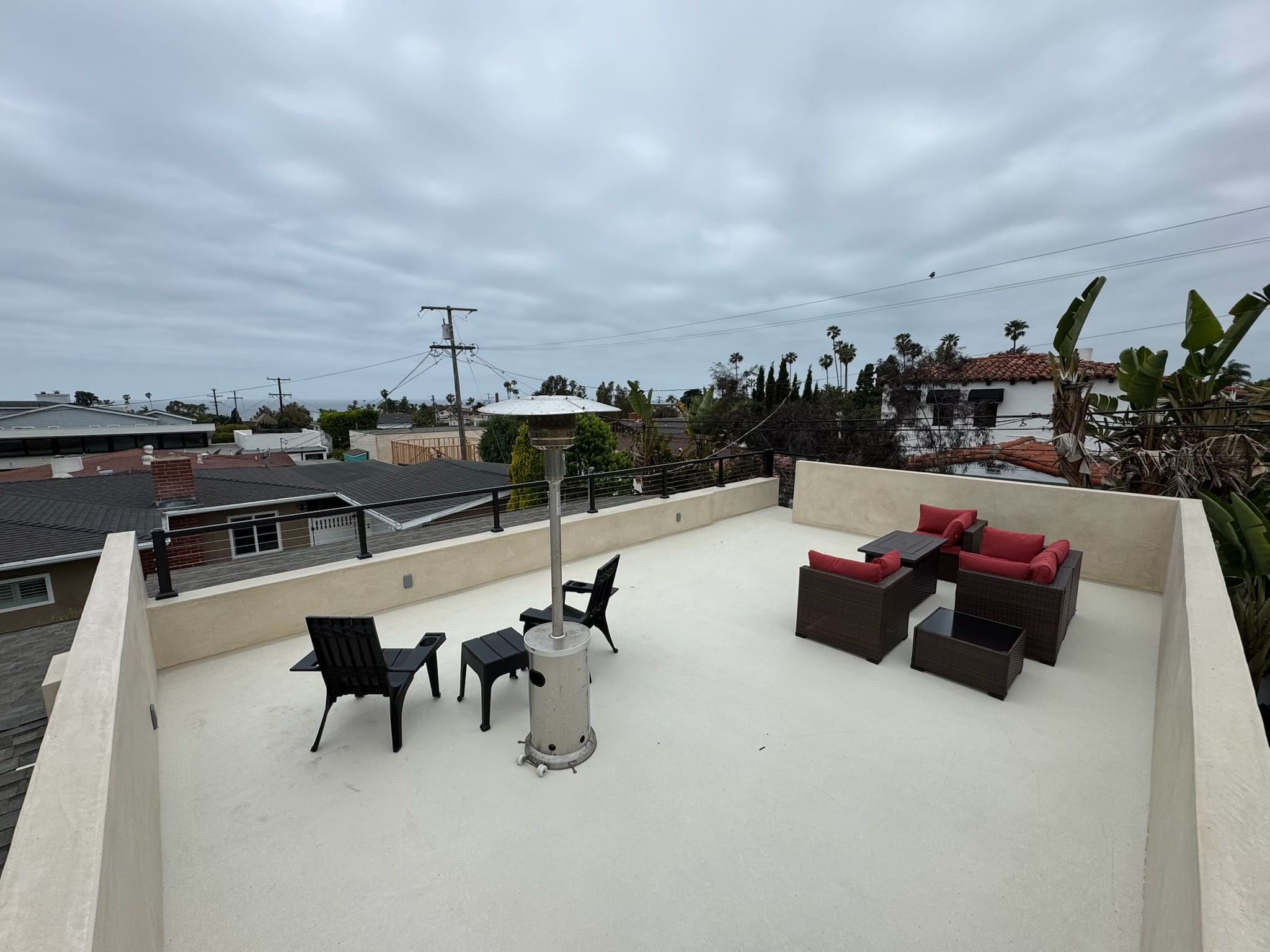
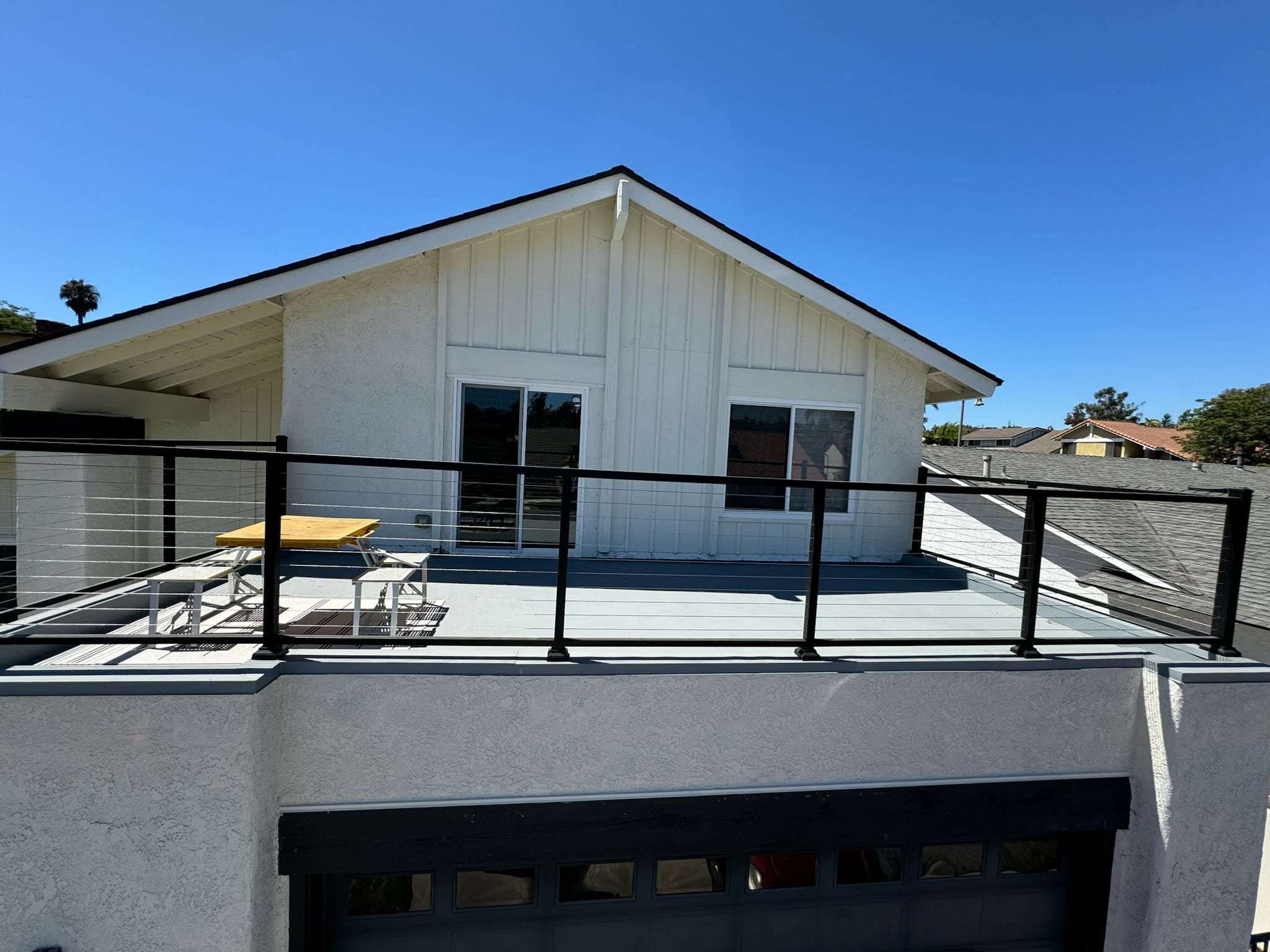
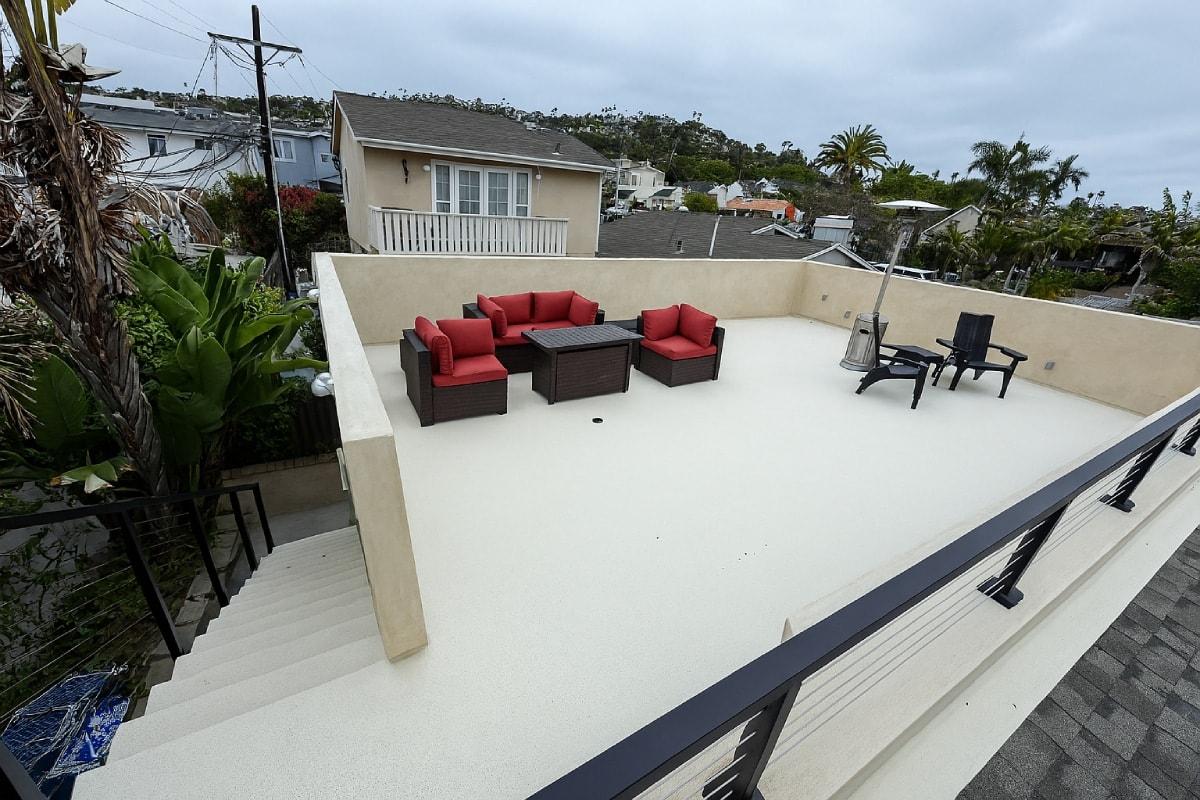
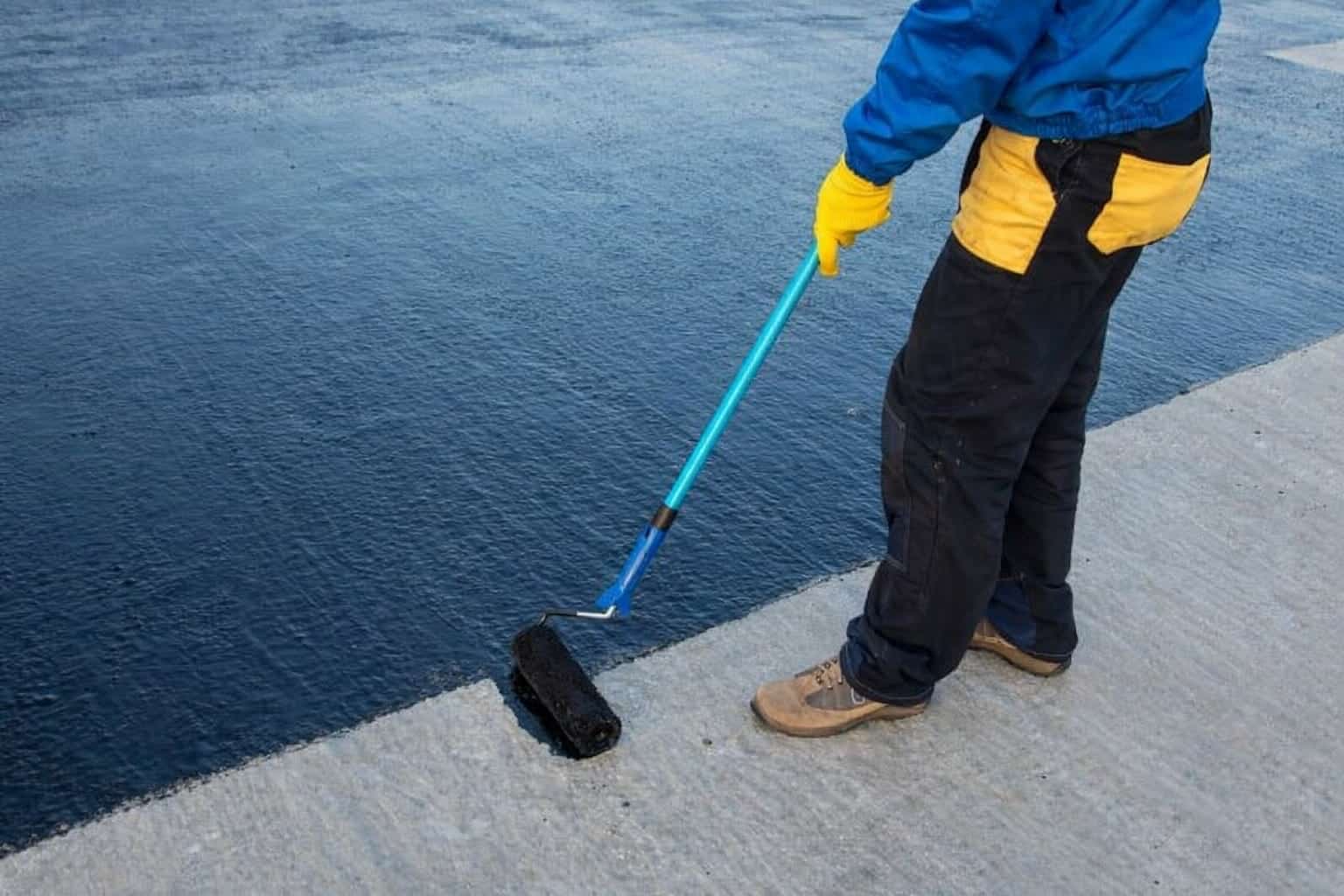
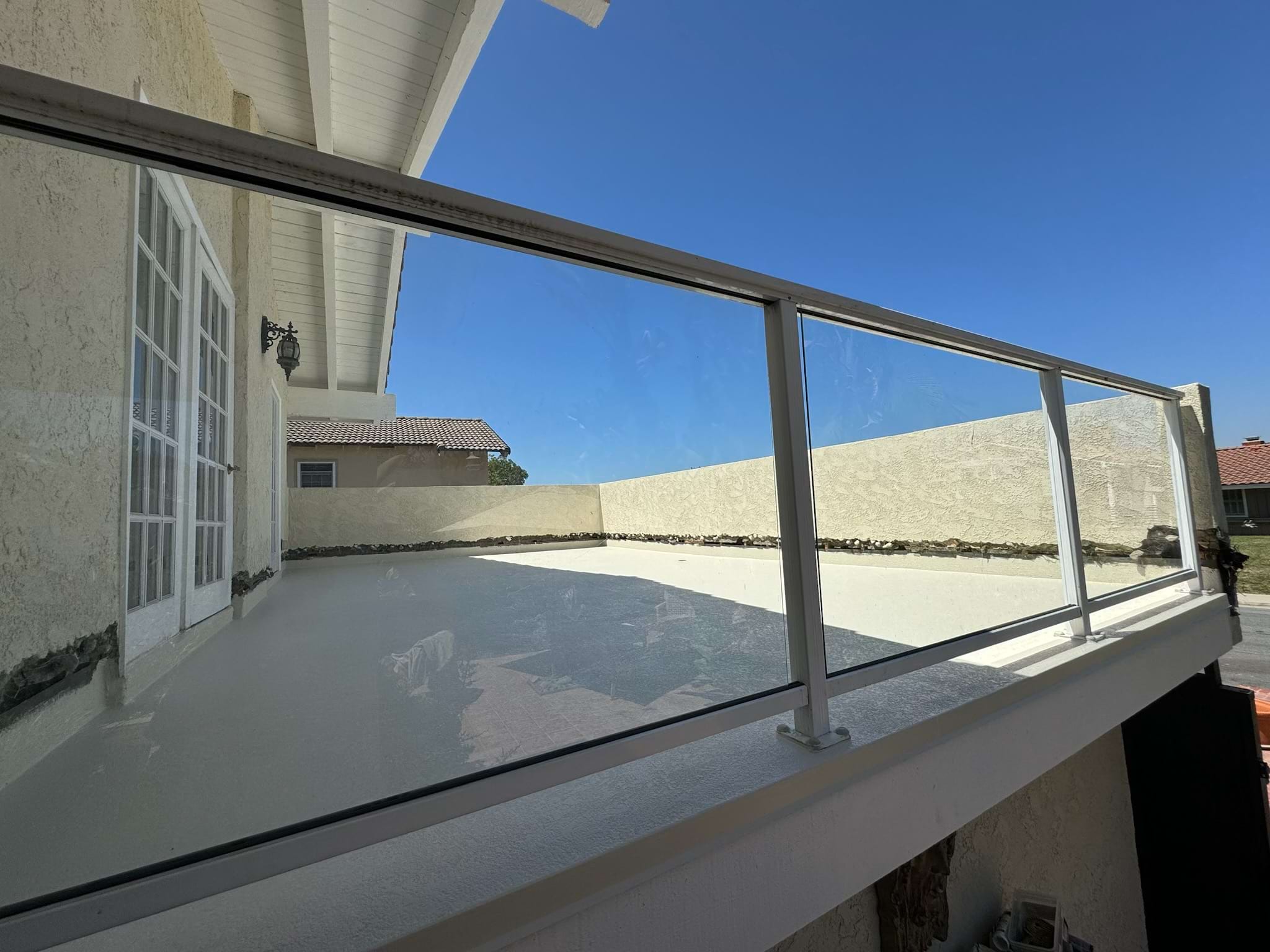
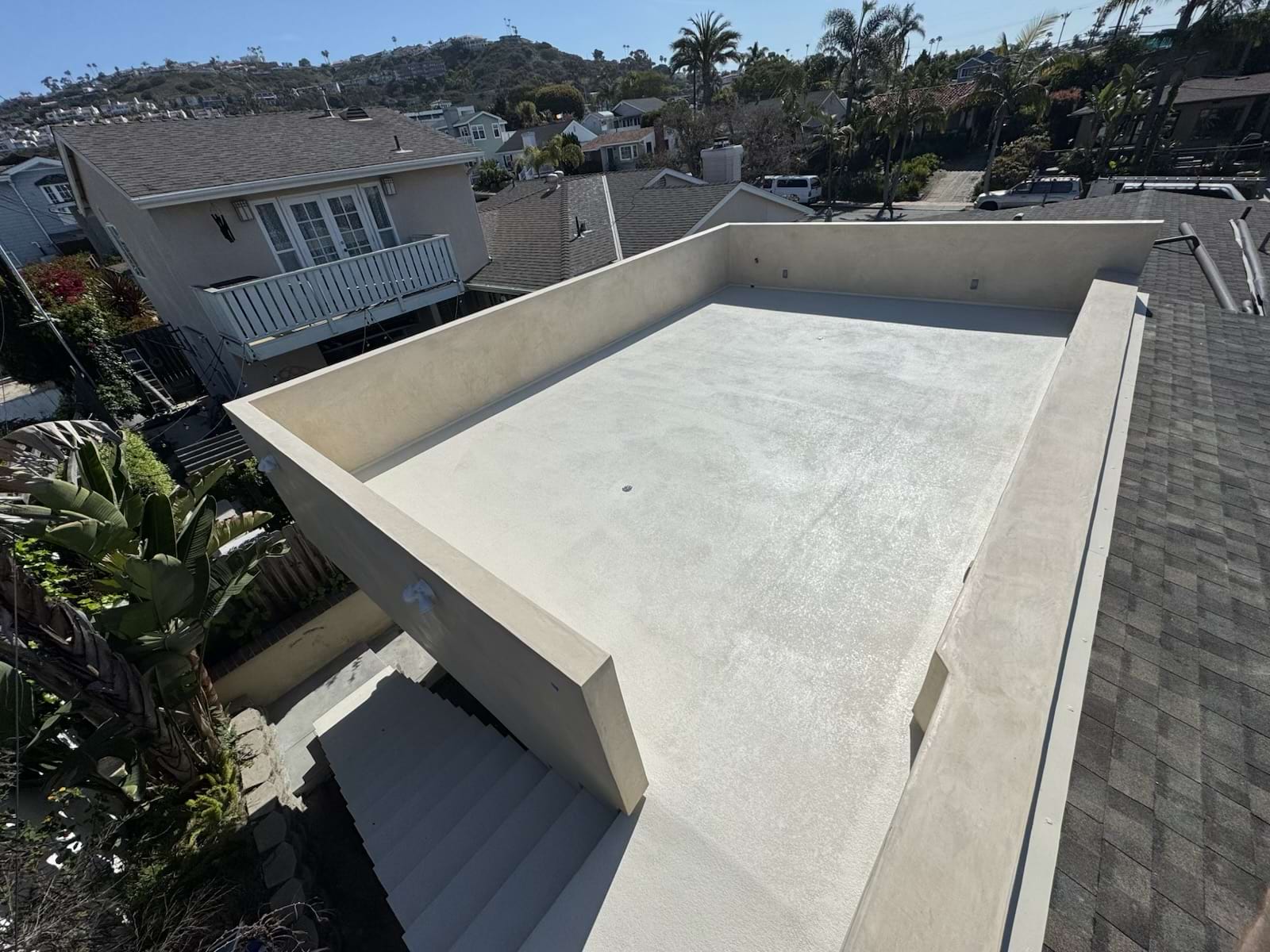
- Liquid Membrane – This eco-friendly waterproofing material creates a seamless barrier on surfaces, making it ideal for roofs and balconies. Its one-coat application ensures quick and efficient coverage, enhancing the structure’s resistance to water intrusion.
- Poured Concrete – Used for foundations, it provides strong resistance against water seepage.
- Basement Waterproofing – Critical for homes in flood-prone areas, this method includes interior drainage systems and exterior waterproofing membranes.
- Bentonite Systems – These create a gel-like barrier upon contact with moisture, offering an extra layer of protection against water penetration.
- Exterior Drainage Systems – Such as French drains, these systems redirect water away from the foundation, preventing hydrostatic pressure buildup.
- Sealing the Foundation – Applying sealants to the foundation prevents hydrostatic pressure from forcing water through masonry, a crucial step in comprehensive waterproofing.
- Sump Pumps – These devices collect water in a pit and pump it away from the building, helping safely manage accumulated water.
Roof Waterproofing Protecting Your Home’s First Defense
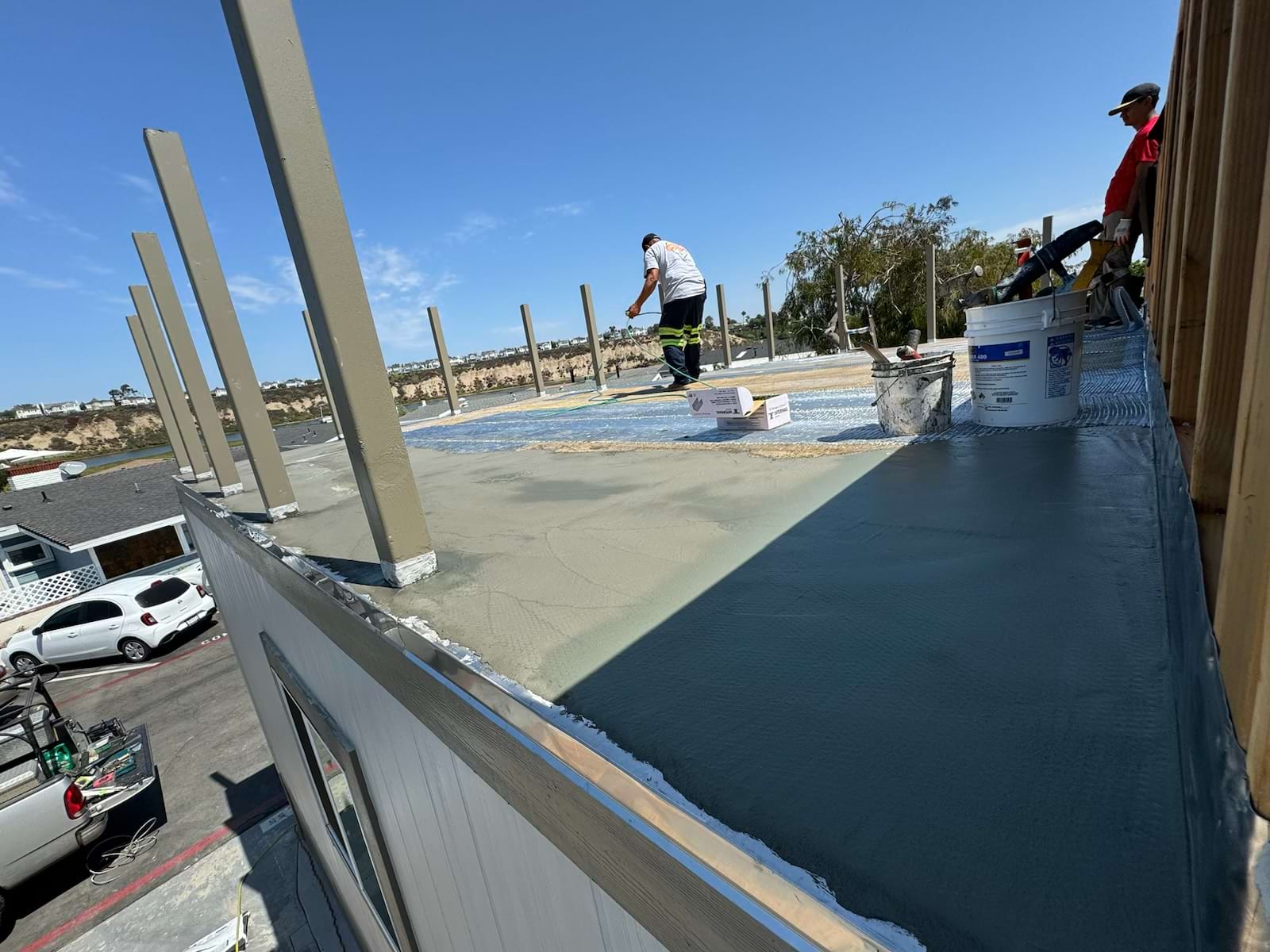
Roof waterproofing is essential as the roof is the most exposed part of your building to rain and harsh weather. Applying specialized waterproofing materials and coatings can prevent water seepage, protect insulation, and extend the roof’s lifespan. Using premium, waterproof deck solutions ensures your roof and exposed surfaces remain resilient against leaks and structural damage. The thickness of the waterproofing layer is crucial to durability, and a proper topcoat can provide additional UV-ray and weathering resistance.
Waterproofing Products and Materials
Selecting the appropriate waterproofing materials is crucial for effective protection. Options range from liquid coatings and cementitious coatings to bituminous membranes and polyurethane-based solutions. Cementitious coatings, popular for foundations, cost between $2 and $4 per square foot and provide a durable barrier. Bituminous membranes have an application cost of $2.73 to $5.21 per square foot and are widely used for their toughness. EPDM rubber membranes, available in 45 mil and 60 mil thicknesses, offer flexibility and durability for roof coating. Using high-quality waterproofing materials not only stops water intrusion but also enhances the durability and longevity of your property. Leading manufacturers and companies in the market offer a variety of these products, allowing you to choose based on your specific needs and budget.
Note: Prices are just examples and may not reflect actual costs.
- UltraTech Weather Pro WP+200 – This advanced waterproofing product fills tiny holes in concrete, plaster, and mortar, breaking the interconnectivity of capillaries to protect the structure from dampness and seepage.
Basement Walls and Basement Waterproofing
Basement surfaces are particularly vulnerable to moisture intrusion, which can compromise your home’s structural strength. Implementing an effective complete guide to professional waterproofing methods for homeowners and builders involves sealing basement walls with waterproof coatings and installing drainage systems to keep moisture levels in check. Protecting these areas prevents dampness, mold growth, and costly repairs. Applying waterproof sealants to interior basement walls provides a secondary defense against moisture, while exterior membranes prevent moisture penetration. A primary sump pump with battery backup is crucial for safely removing accumulated water.
Maintaining Structural Strength Through Waterproofing
Water damage can weaken your home’s structural integrity by causing cracks, rust, and decay in essential building materials such as brick, mortar, plaster, and concrete. Proper waterproofing safeguards your property’s foundation and structure, ensuring long-term durability and safety. Investing in waterproofing solutions helps maintain your home’s integrity and prevents costly structural repairs.
Planning and Executing Waterproofing Projects
Successful sealing projects require proper planning and execution. Assessing the specific needs of your building, choosing suitable materials, and hiring experienced professionals can make all the difference. Whether it’s a small repair or a full-scale waterproofing system installation, attention to detail guarantees optimal results. Re-grading the yard and installing exterior drainage systems, like French drains, redirects water away from the foundation, preventing water accumulation and reducing hydrostatic pressure.
Choosing the Right Waterproofing Materials
Selecting the appropriate waterproofing materials is essential for effective protection against water damage. High-quality options, as outlined in a comprehensive waterproofing painting guide, to keep your deck and home safe from water damage include cementitious coatings, bituminous membranes, and polyurethane solutions. These options offer durable barriers that safeguard your property from moisture infiltration. Using the right materials ensures long-lasting efficiency and helps maintain your home’s structural integrity.
Advantages of Liquid Membrane Waterproofing
Liquid coating waterproofing is a popular choice due to its seamless application and excellent adhesion to surfaces. This eco-friendly material forms a flexible, durable barrier that prevents water penetration on roofs, balconies, and walls. Its quick drying time and one-coat coverage make it an efficient and cost-effective waterproofing solution.
Top Picks for the Best Waterproofing Products for Your Property
When it comes to the best waterproofing products, quality and performance are key. Leading products like polyurethane membranes, cementitious coatings, and advanced bituminous membranes provide superior resistance to water damage and extend the lifespan of your property. Investing in these top waterproofing products ensures reliable protection and peace of mind. The square foot coverage of these products varies, so it is important to consider the thickness of the applied layer for maximum effectiveness.
Real-World Success Stories
Consider a homeowner in New Jersey who has been dealing with persistent water issues. They invested in a comprehensive waterproofing system, including basement and roof coating. After installation, the homeowner reported a 50% decrease in humidity levels, and their property value improved significantly. Another example is a commercial property in Florida that utilized specialized materials on its terraces—highlighting the broader importance of protecting your building and why waterproofing matters—which successfully prevented water damage and increased tenant retention rates by 30%.
Addressing Common Concerns
Before jumping into sealing projects, here are some common objections you might have:
- “Is it really necessary?” Yes, absolutely. The long-term benefits of preventing water damage far outweigh the initial costs.
- “Will it disrupt my daily life?” Many waterproofing solutions can be installed with minimal disruption, especially when handled by professional contractors.
- “What if I choose the wrong solution?” Consulting with waterproofing experts or a trusted waterproofing company can help you select the best products tailored to your property’s needs.
Start Protecting Your Property Today
Once you’ve decided to invest in waterproofing, the process is straightforward. Start by assessing your property’s specific needs and reaching out to professionals who can guide you in selecting the right waterproofing solutions. If you want to apply this without trial and error, book a consultation with our waterproofing specialists today.
FAQs About Home Waterproofing
Q1: What is the best waterproofing method for my home?
The ideal waterproofing solution depends on your home’s structure, climate, and moisture challenges. Basements often benefit from a combination of interior drainage systems and exterior waterproofing, while roofs may require specialized coatings or membranes to prevent leaks and water intrusion.
Q2: How long do waterproofing solutions last?
Most professionally installed waterproofing systems can last between 10 and 30 years, depending on the materials used, environmental conditions, and maintenance. Regular inspections and timely repairs can help maximize their lifespan and effectiveness.
Q3: Can I waterproof my home myself?
While DIY waterproofing products are available, professional installation often provides more reliable and long-lasting protection. Experienced contractors can identify underlying issues, recommend the most effective solutions, and help prevent costly mistakes.
Q4: Why is the thickness of the waterproofing layer important?
The thickness of a waterproofing layer directly affects its durability and ability to resist water penetration. Properly applied coatings with adequate thickness offer stronger protection against moisture damage and tend to last longer.
Q5: Are waterproofing paints effective for interior walls?
Yes. Waterproofing paints can help create a moisture-resistant barrier on interior walls, reducing the risk of dampness, mold, and fungal growth. They are particularly useful in areas prone to humidity, such as bathrooms, laundry rooms, and basements.