What You’ll Learn:
- The critical role of safety decking in preventing falls and ensuring secure outdoor living and work environments.
- The financial and reputational risks of neglecting secure decking, contrasted with its long-term benefits.
- Practical guidance on installation, maintenance, and how secure decking enhances both current and future projects.
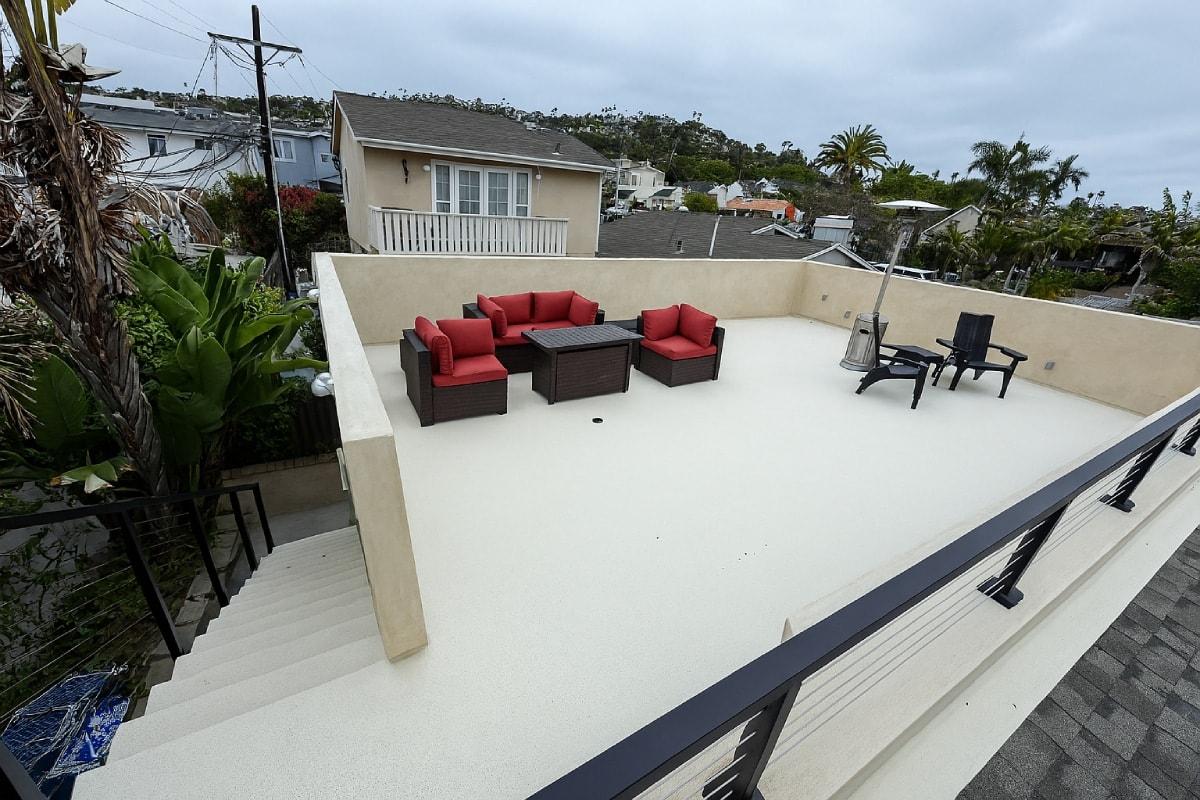
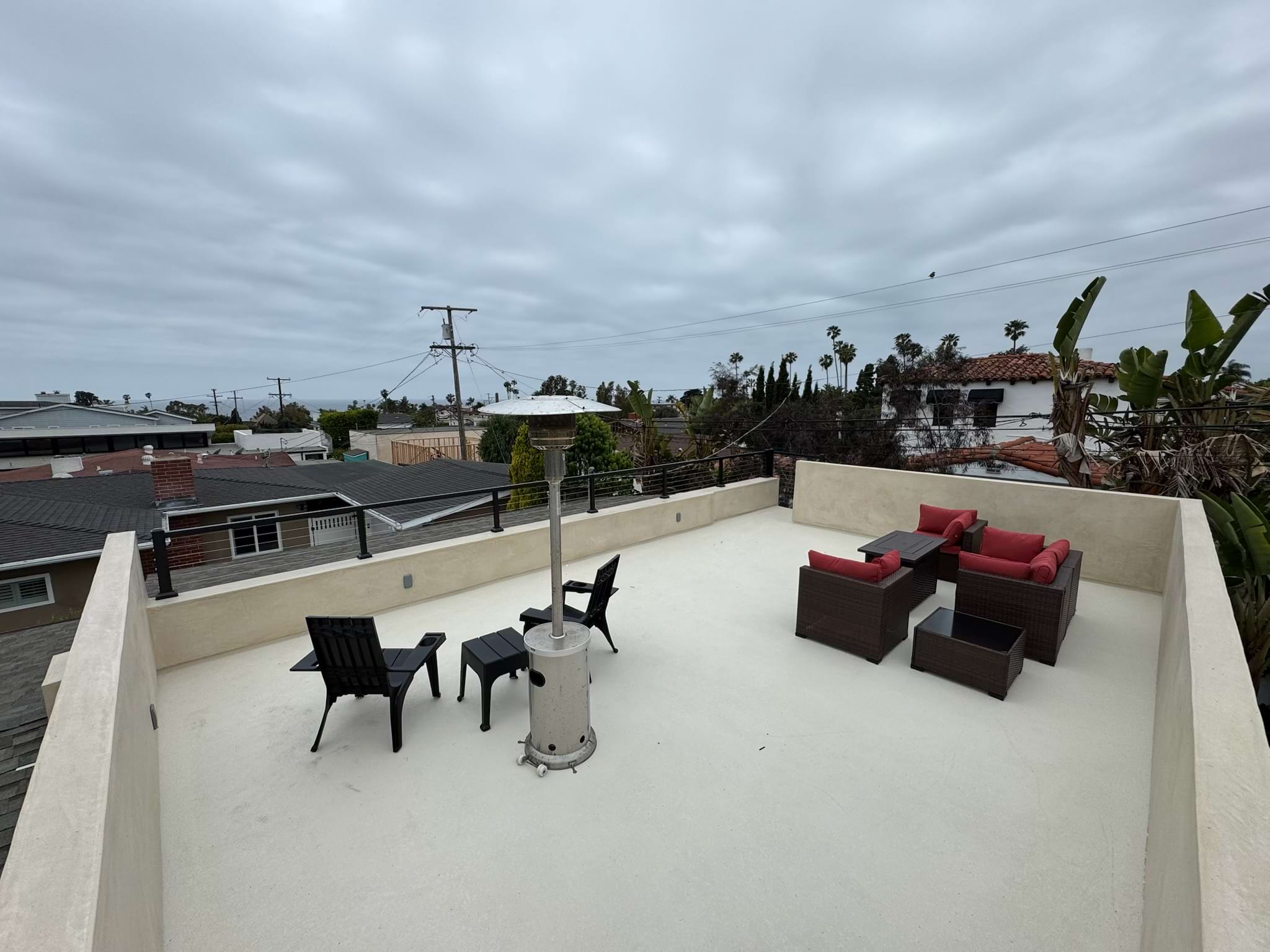
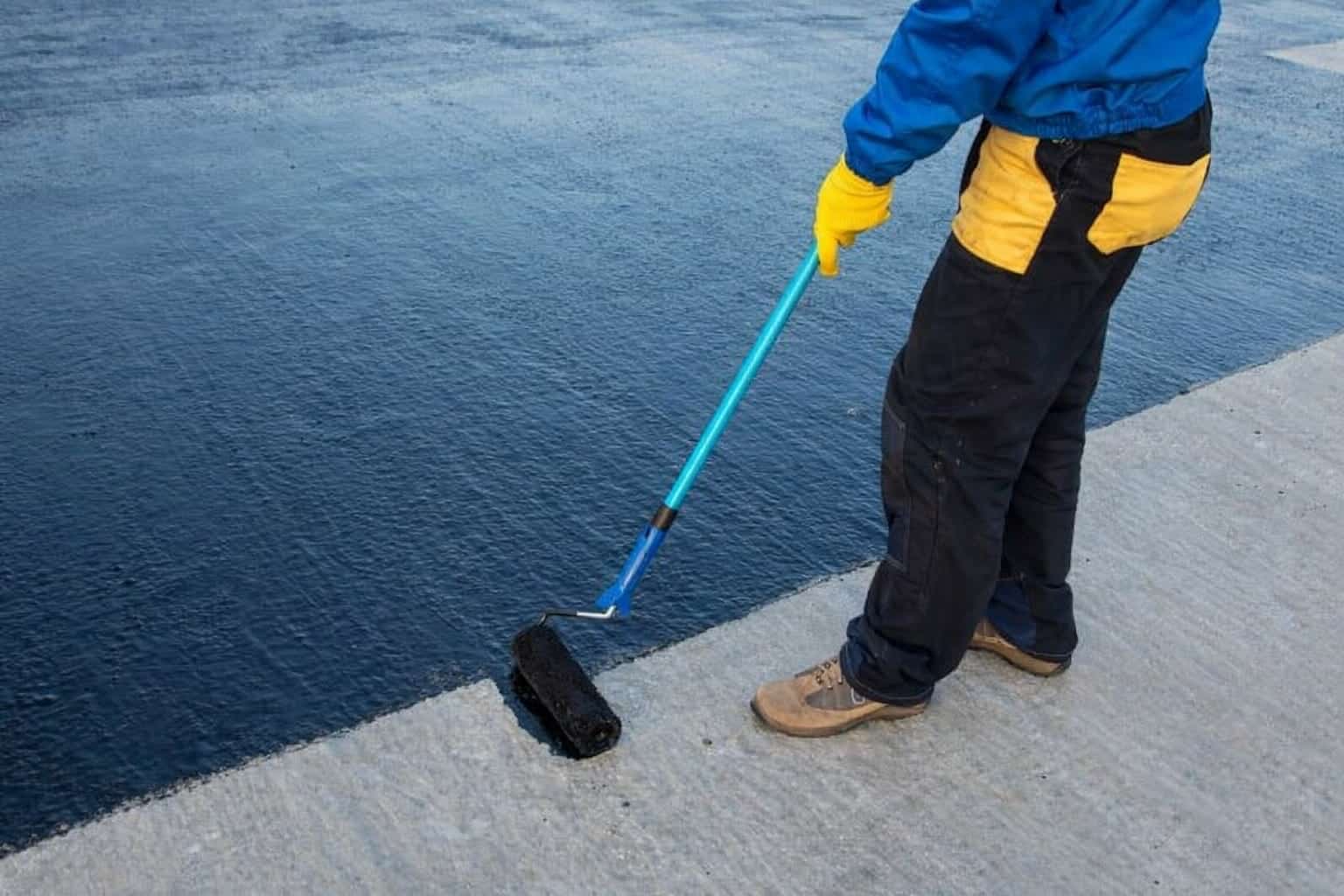
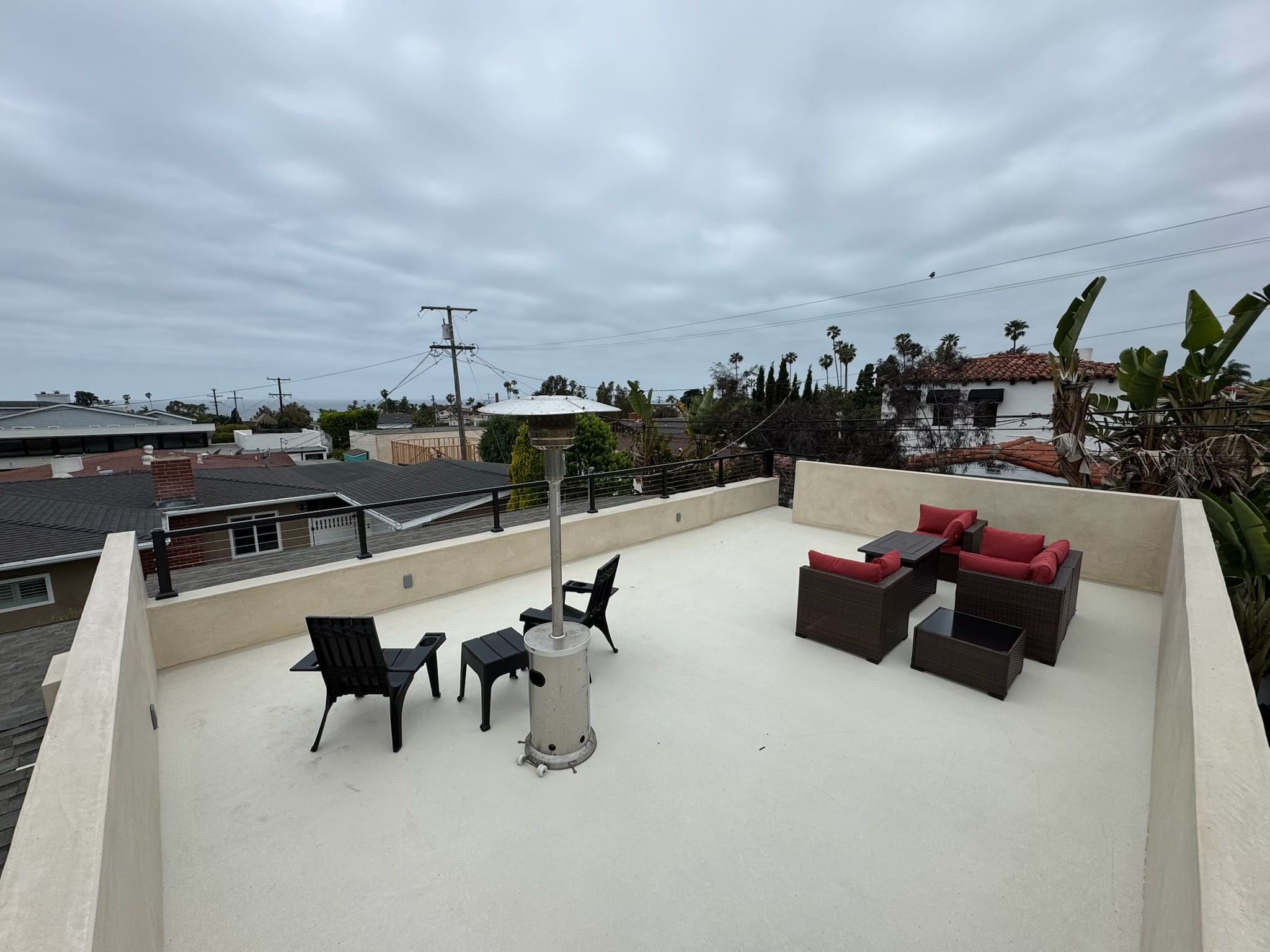
Imagine stepping out onto your deck and feeling a wave of anxiety wash over you. The thought of a slip, a fall, or worse, an accident looms large. Statistics show that falls are among the leading causes of injuries in outdoor living spaces, particularly on construction projects. Secure decking offers a solution that not only enhances your outdoor experience but also keeps you safe. Investing in secure decking is essential to creating a safe, lightweight, durable, and reliable working platform. It is also vital to select metal decking systems when appropriate, as they provide additional structural strength and longevity. Choosing lighter-colored decking can help mitigate heat retention and prevent burns, especially in sunny climates. Furthermore, if you are located in the region, professional deck waterproofing in Orange County, CA, is a critical step in ensuring the long-term integrity and safety of your outdoor structure.
Meeting Industry Standards
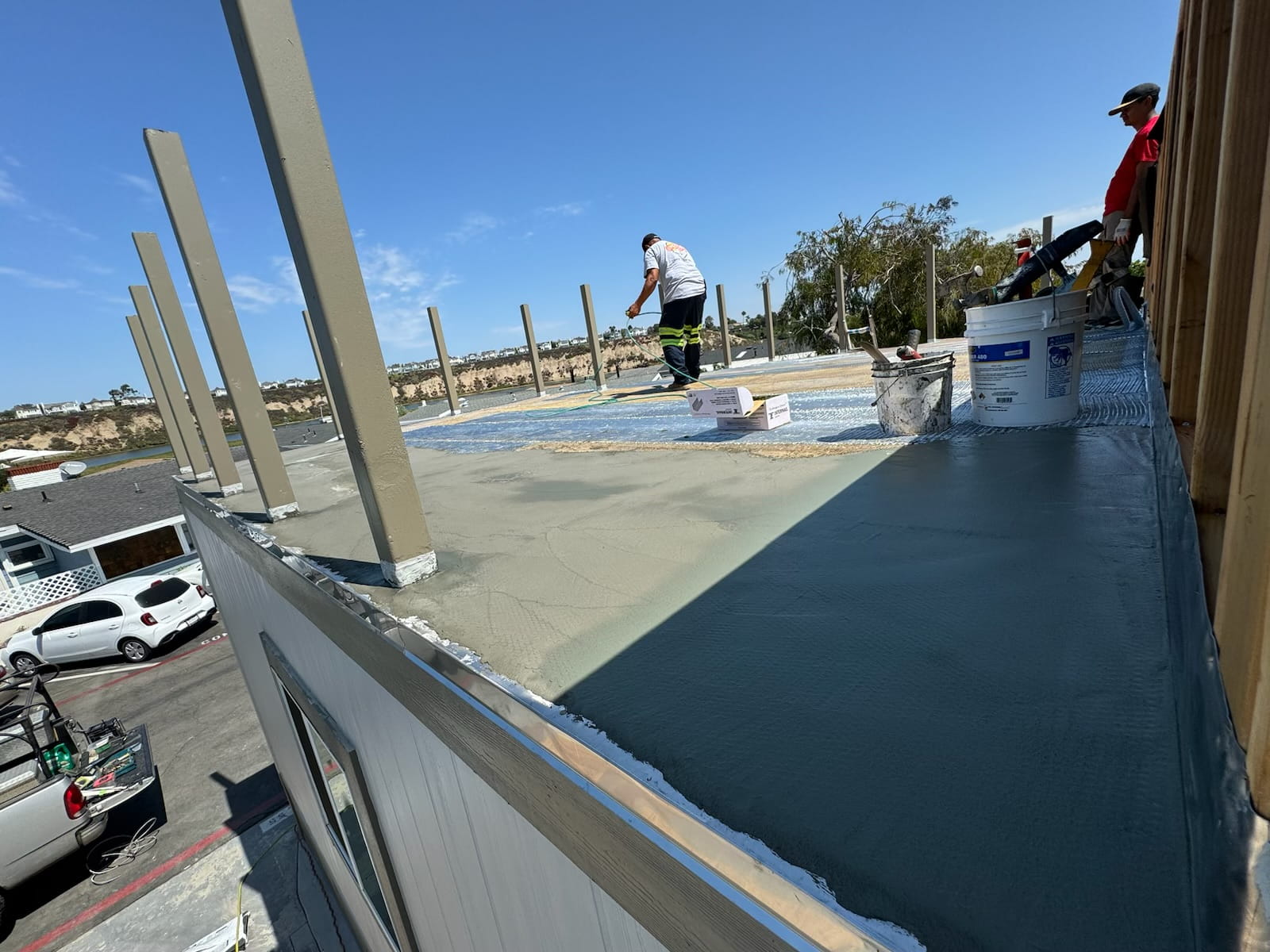
Safety decking must meet strict industry standards to ensure safety and reliability. These standards define the materials, installation methods, and performance criteria necessary to provide a secure working platform. Compliance with industry standards ensures that secure decking effectively prevents falls and protects workers on site. It also ensures compatibility with other systems, such as fall-prevention and fall-arrest systems, which are vital for comprehensive fall protection. Meeting standards such as BS EN 12811-1:2003 is crucial to ensure the decking system’s integrity and safety. Incorporating waterproof deck solutions for lasting protection is another key element in maintaining this structural health over time. Secure decking must be installed by trained professionals who wear Personal Protective Equipment during installation to maintain compliance and safety. Additionally, secure decking is essential for preventing falls during construction, and fall prevention systems are required for falls over two meters.
The Importance of Safety Decking as a Safety Platform
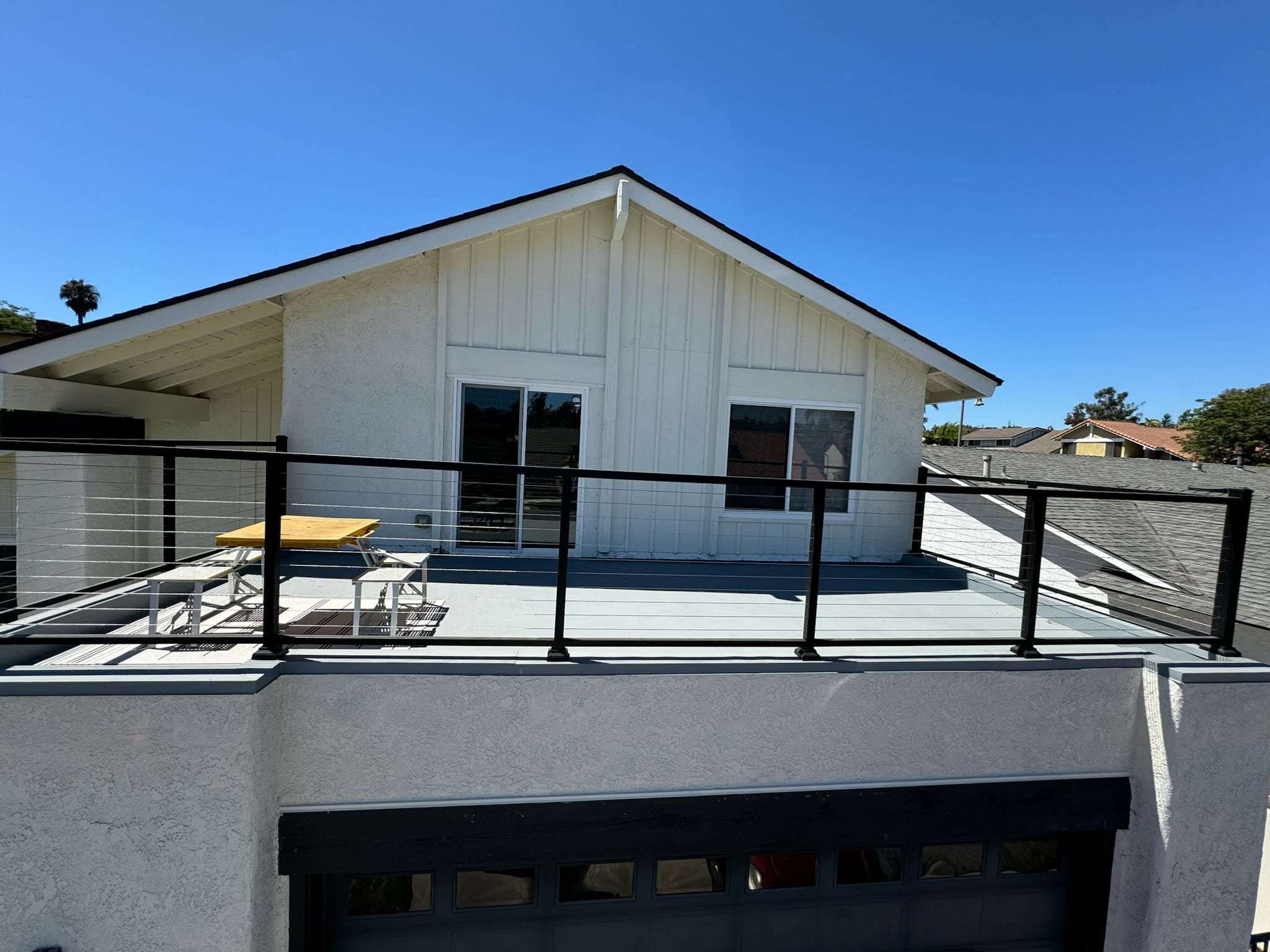
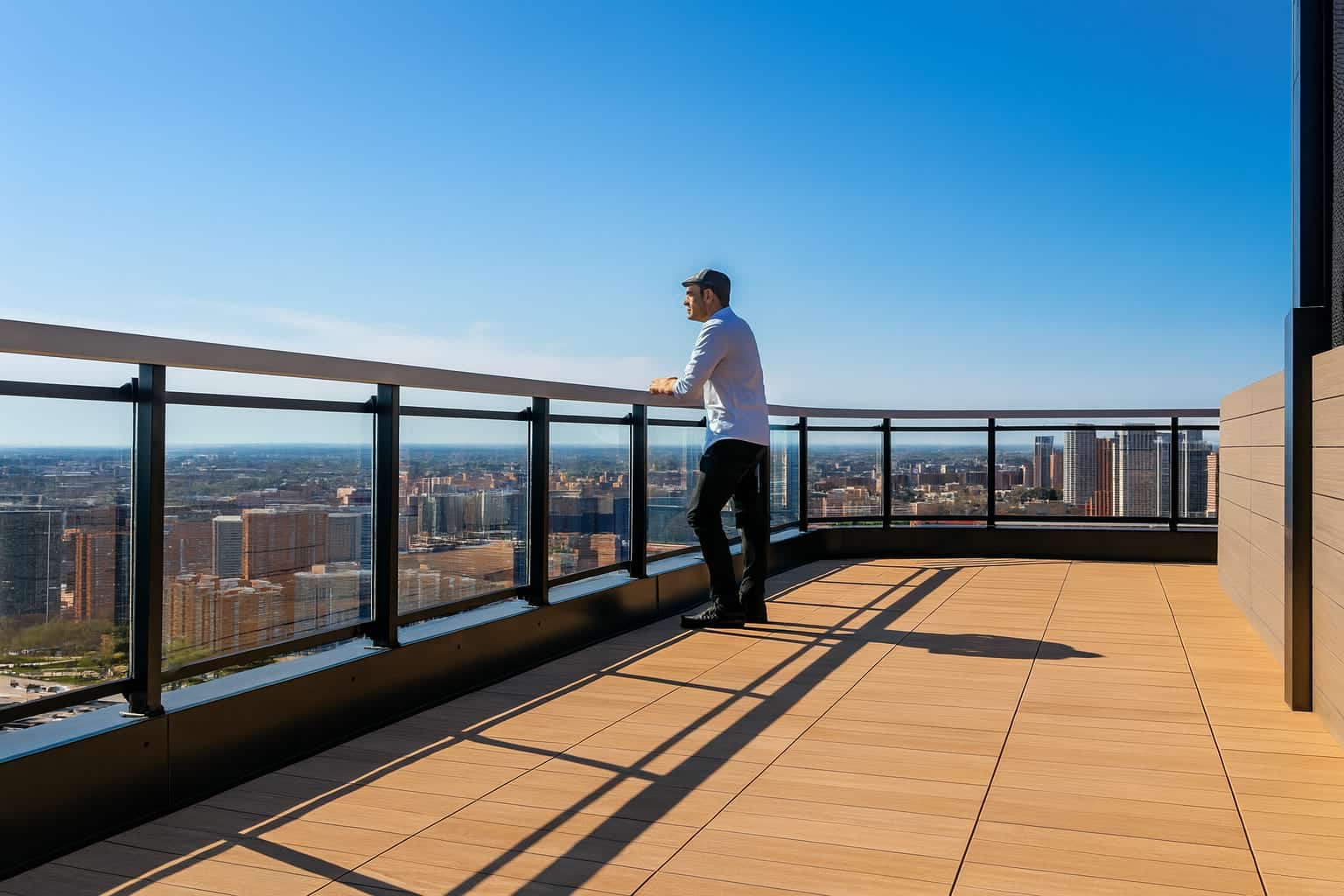
Safety decking serves as a reliable platform, providing a secure, stable surface that prevents falls and accidents. This platform is crucial for both outdoor living spaces and construction sites, ensuring that workers and users can perform their tasks safely. The use of a reliable safety platform significantly enhances fall prevention and overall site safety. It also covers floor openings, a common hazard on construction sites and roofs, helping prevent accidents. Installing guardrails on decks elevated more than 30 inches above grade and ensuring baluster spacing prevents a 4-inch sphere from passing through are additional safety requirements to protect children and workers alike. Using secure decking systems during construction helps mitigate these risks early, providing a safe working platform that supports efficient, secure operations.
The Cost of Inaction
Neglecting to invest in secure decking can lead to serious consequences. Consider this: the average cost of a workplace fall can exceed $40,000, including medical expenses and lost productivity. If you’re managing a construction project and an accident occurs due to inadequate safety measures, you risk not only financial loss but also reputational damage. Delaying this decision could cost you money, time, and future project opportunities.
Misjudging your structure’s true needs can also lead to costly mistakes, which is why understanding the most common misconceptions about waterproofing is crucial when planning your long-term safety strategy. Choosing a cost-effective safety decking solution early in your job can save significant expenses and reduce downtime. Additionally, delaying secure decking installation can disrupt project timelines, resulting in compressed handovers and delayed subcontractors. Prioritizing the installation of a safe working platform from the outset minimizes these risks and ensures your site remains compliant and secure.
Note: Prices are just examples and may not reflect actual costs.
Fall Protection and Fall Prevention: Adhering to Safety Regulations
Fall protection and fall prevention are fundamental aspects of construction safety, governed by strict safety regulations. Installing secure decking helps ensure compliance with these regulations by providing an effective, lightweight working platform and fall prevention measures. Secure decking is required if the fall risk exceeds two meters, and fall prevention systems must be in place for falls over two meters. Meeting safety regulations is essential to achieving the highest level of worker protection and minimizing the risk of serious on-site injury. This includes ensuring proper access and training for workers to use the equipment safely and effectively. Trained professionals must install safety decking to maintain compliance and effectiveness.
Weighing the Benefits of Action
Think about two scenarios: you implement secure decking today, ensuring your outdoor spaces are secure with a lightweight working platform. Now consider the alternative, waiting until an accident happens. The first scenario keeps your team safe and your project on schedule, while the latter can halt your progress, leading to delays and potential legal issues.
The choice is clear: act now to protect your investment. When expanding your focus to nearby areas like your swimming layout, learning how to choose the right pool deck resurfacing company ensures the entire perimeter gets the same level of care. A reliable company that supplies and installs safety decking can also provide training to ensure workers understand how to use the system properly.
Understanding Trad Deck and Safe Deck Systems
Choosing between a trad deck and a safe deck system is a crucial decision in secure decking. Trad decks are traditional, robust platforms widely used for fall prevention in construction, while safe decks often incorporate innovative safety materials and designs for enhanced safety and ease of installation. Some systems, like G & M Safe Deck and MacDeck, can support loads up to 2.0 kN/m², ensuring they can safely bear workers and materials. Selecting the right system ensures compliance with the highest industry standards and provides the highest level of protection. Some brands also offer compatibility with birdcage scaffolding, expanding the decking system’s on-site versatility. TRAD Safety Decking Boards are made from 100% recyclable, UV-stabilized high-density polyethylene, making them durable and environmentally friendly.
Complying with the Highest Industry Standards
Safety decking must meet the highest industry standards to ensure maximum protection and reliability. Adhering to these rigorous standards guarantees that the materials, design, and installation processes provide a safe working environment, reducing the risk of falls and accidents on site. This includes using corrosion-resistant fasteners to prevent deck weakening and ensuring proper railing height, both key safety factors often overlooked. For those transitioning from temporary job site safety to long-term property planning, exploring this deck’s system: the ultimate guide to low-maintenance outdoor living solutions, offers valuable insight into choosing materials that inherently look great while maintaining permanent structural integrity.
Achieving the Highest Level of Safety and Performance
Investing in secure decking that delivers the highest level of safety and performance is crucial for protecting workers and users alike. Systems engineered to this standard not only prevent falls but also enhance overall site efficiency and confidence, making them indispensable for any construction or outdoor living project. Trained professionals should use installation equipment to ensure safety and compliance. Secure decking must also comply with BS EN 12811-1:2003 standards to ensure quality and reliability. Products like Revdek panels offer 8% more coverage per panel by covering 1.08m², allowing quicker installation and fewer components. Capped composite decking is splinter-resistant and highly durable, making it ideal for safety decking applications.
Addressing Common Concerns
Is safety decking really necessary?
Absolutely. Secure decking is engineered specifically for fall prevention, ensuring compliance with safety regulations. Skipping this essential investment isn’t worth the risk.
Isn’t safety decking expensive?
While there is an upfront cost, think of it as a long-term investment. The financial implications of a workplace accident can far exceed the cost of installing secure decking. It’s a proactive measure to prevent accidents and save money in the long run.
Will it disrupt my existing setup?
Modern secure decking systems are designed for easy installation, minimizing disruption. Many options are also lightweight, allowing for quick setup and removal when needed.
What about slip resistance and durability?
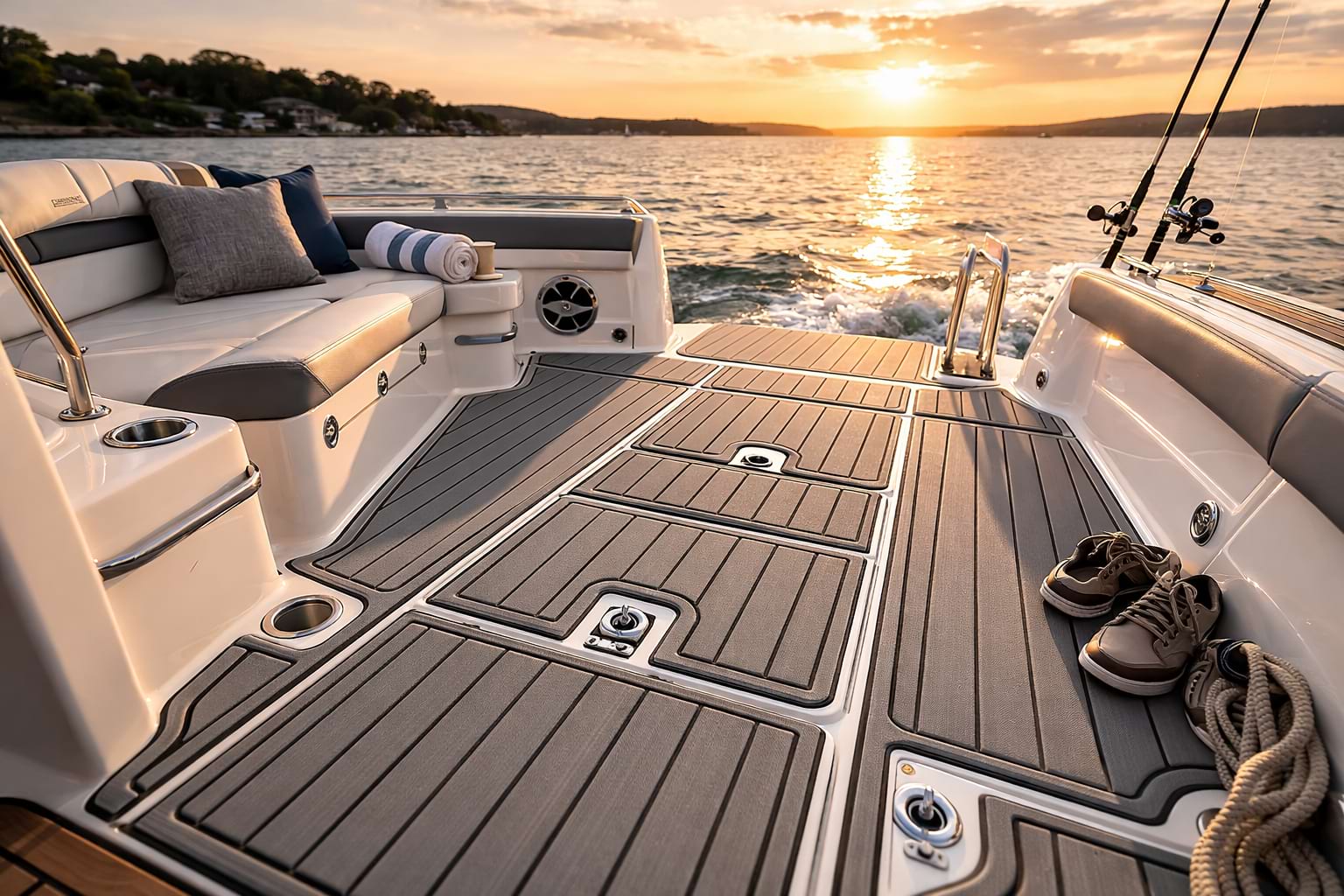
Choosing decking materials with good slip resistance, such as textured surfaces or capped composite decking, is especially important near pools or moist environments to minimize accidents. Selecting materials that resist rot and mold prevents structural damage and enhances durability.
What Happens After You Act
Once you decide to invest in secure decking, the process is straightforward. You’ll work with a reliable contractor who understands your needs. Expect a consultation to discuss your specific requirements and preferences, followed by a professional installation that meets the highest industry standards. Part of this process often involves protecting the foundation itself; using premium deck sealers ensures moisture doesn’t compromise the structure beneath your feet. With this safety measure in place, you can focus on your tasks without worrying about falls or injuries.
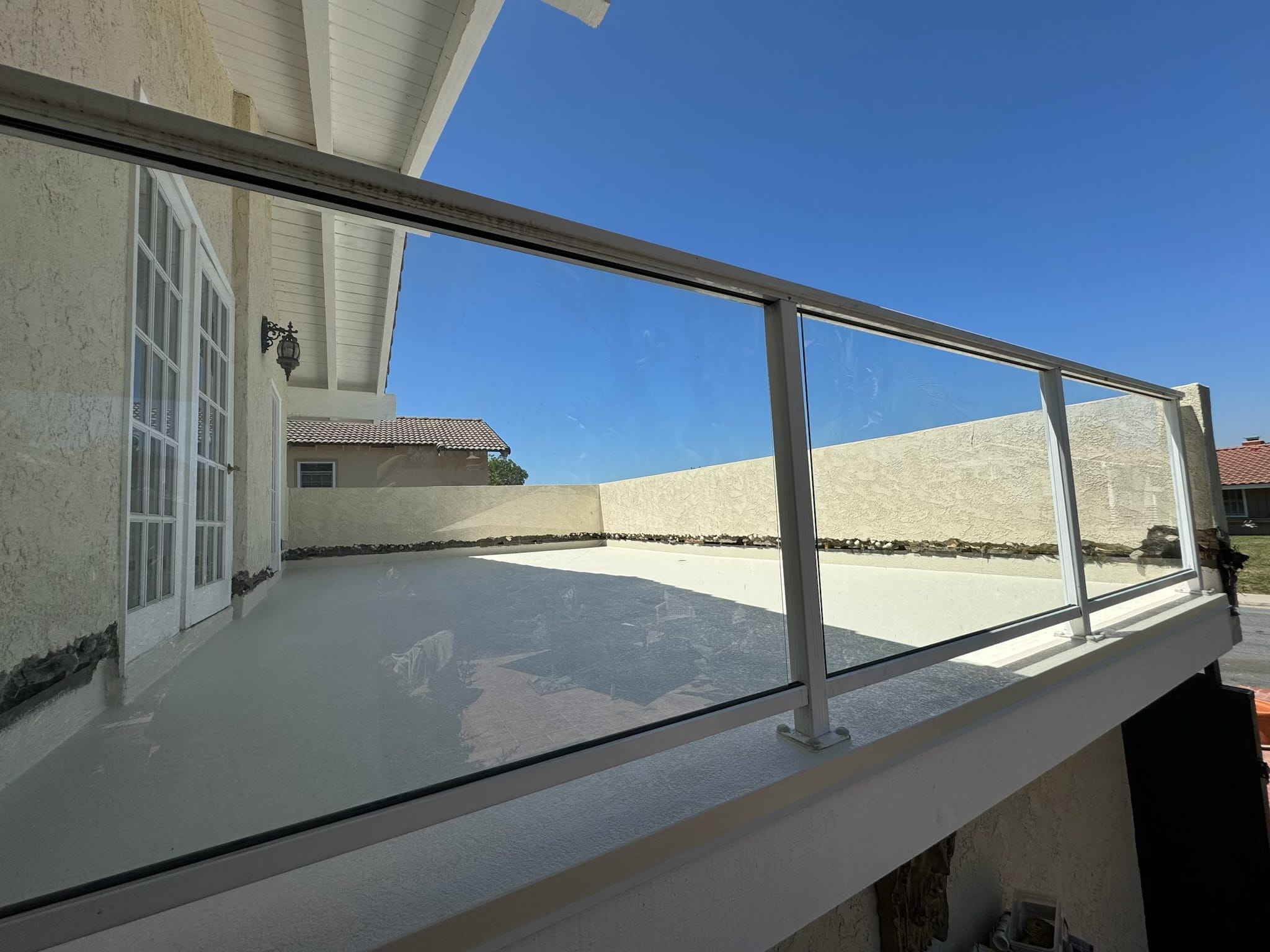
Setting the Stage for Future Projects
Installing secure decking not only secures your current outdoor living spaces but also sets a precedent for all future projects. It shows your clients and team that you prioritize their safety and well-being. In a competitive market, this can provide a significant advantage. You’ll enhance your reputation and attract more clients who value safety just as much as you do.
Using a well-known brand for your secure decking also reinforces your commitment to quality and safety. Once that structural foundation is entirely sound, you can pivot to personalizing the space—exploring creative deck privacy ideas is a fantastic way to make your secure layout feel genuinely secluded, comfortable, and tailored to your lifestyle.
Take Action Now
If you want to ensure the safety of your outdoor living spaces and prevent serious accidents, it’s time to take the next step. Investing in secure decking is a smart choice that will pay off over time. Don’t wait for an accident to happen; contact us today to discuss your secure decking options.
FAQs About Safety Decking
Q1: What materials are used in safety decking?
Safety decking is commonly manufactured from durable materials such as aluminum and engineered composites. These materials are selected for their strength, slip resistance, and long-term durability, helping them meet strict safety and performance standards.
Q2: How do I maintain safety decking?
Routine maintenance includes cleaning the surface, inspecting for signs of wear, and checking components such as fasteners, railings, and support structures. Most safety decking systems are designed to be low maintenance while providing reliable long-term performance.
Q3: Can safety decking be used for both residential and commercial projects?
Yes. Safety decking is suitable for a wide range of applications, including residential patios, balconies, and walkways, as well as commercial and construction environments where enhanced safety and durability are required.
Q4: What load capacity should I expect from safety decking?
Load capacities vary by system and manufacturer. Many safety decking products are engineered to safely support workers, equipment, and materials while meeting applicable building and safety standards. Always verify load ratings for your specific product and project requirements.
Q5: Are there specific regulations for railing height and baluster spacing?
Yes. Building codes typically establish minimum railing heights and maximum baluster spacing requirements to improve safety. Compliance with local building regulations is essential to ensure proper protection, particularly in areas accessible to children.
Q6: When should safety decking be planned and installed?
Safety decking should be incorporated into project planning as early as possible. Early coordination helps prevent construction delays and ensures that framing, joist spacing, and installation methods align with manufacturer recommendations and project specifications.
Q7: Is training necessary for safety decking installation?
Yes. Safety decking should be installed by qualified professionals who understand manufacturer requirements, safety procedures, and applicable regulations. Proper training helps ensure safe installation, regulatory compliance, and long-term performance.