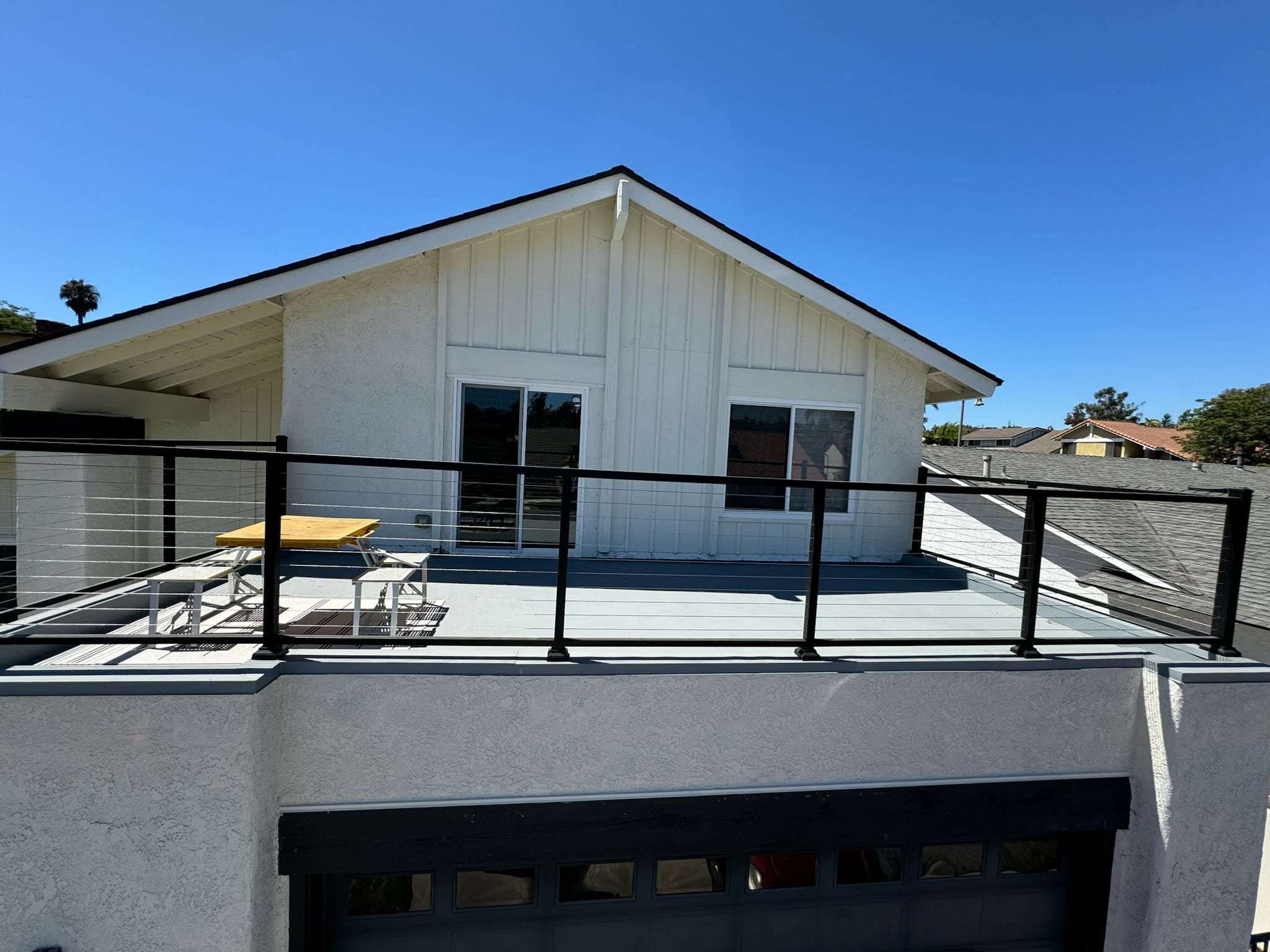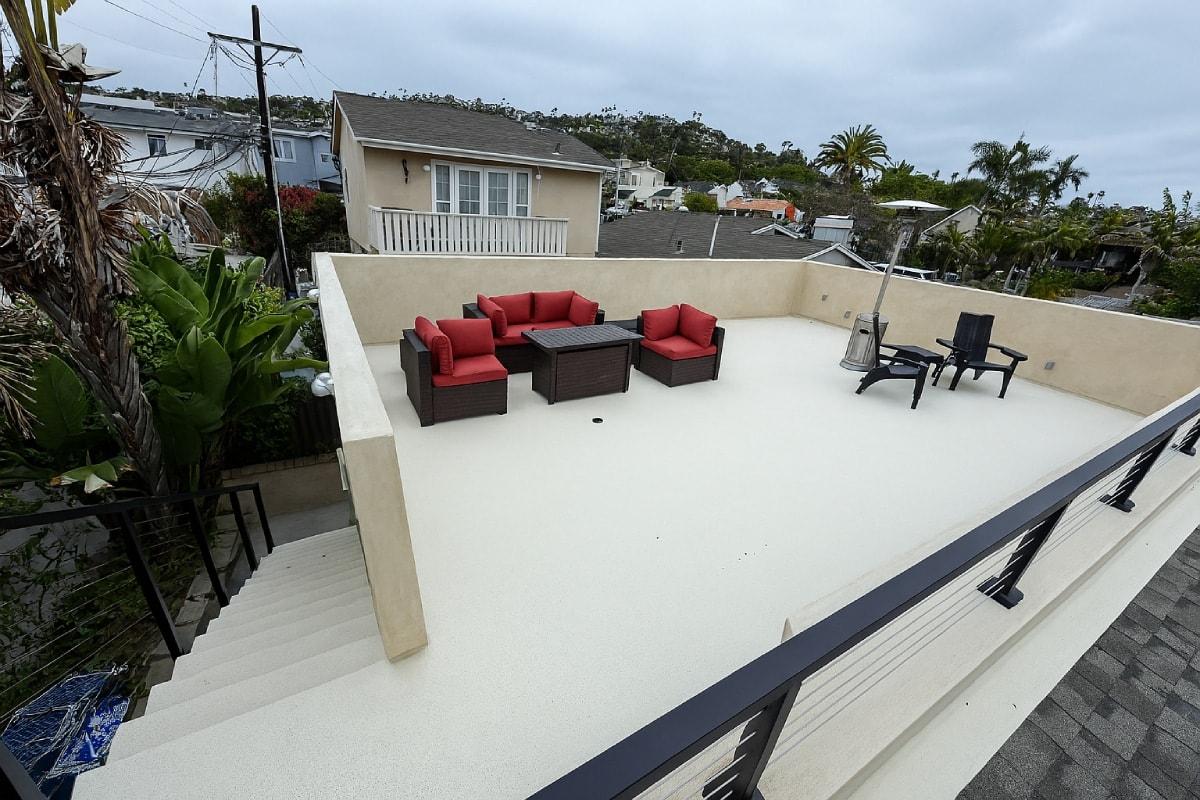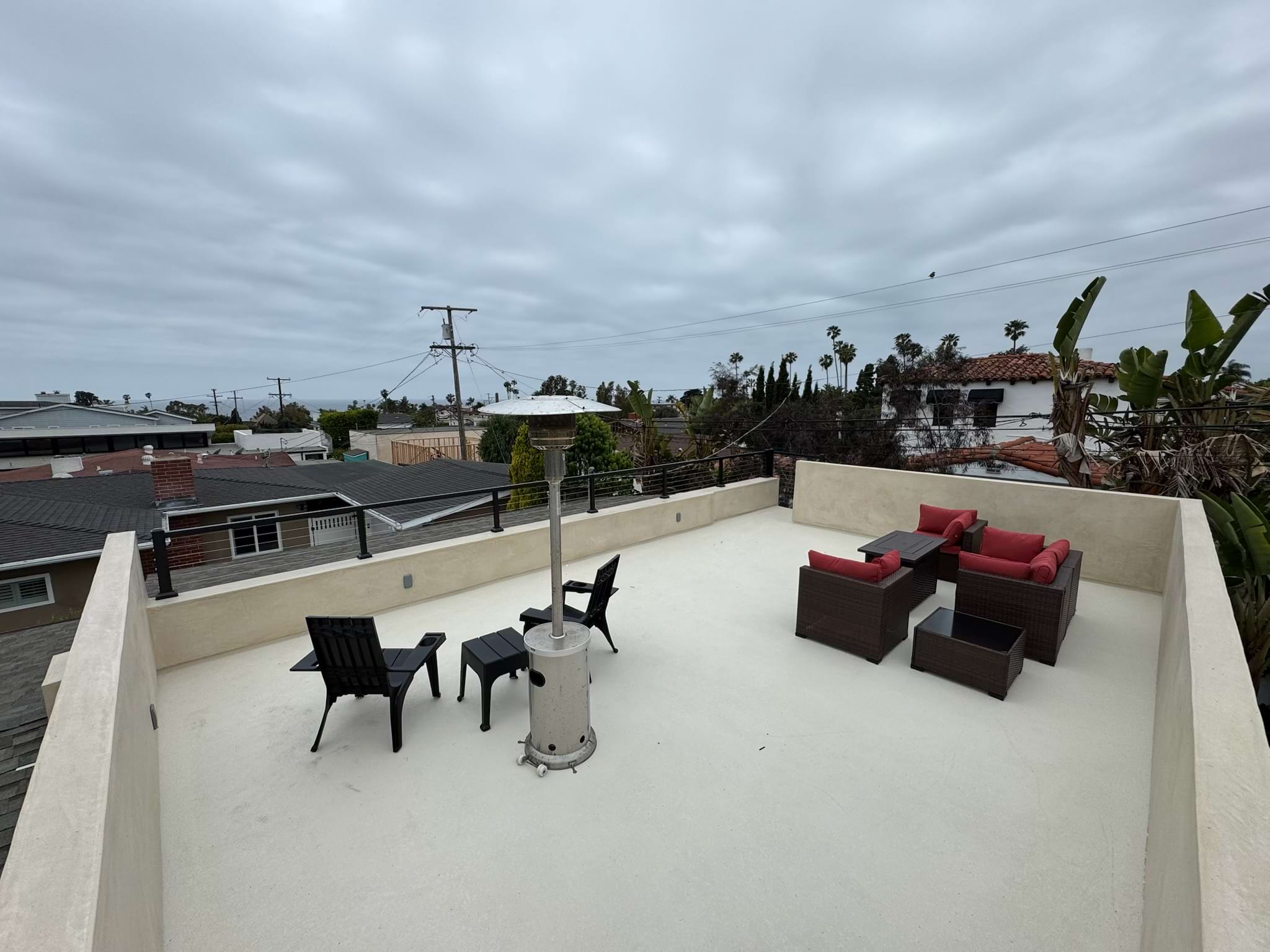

What You’ll Learn:
- How can I protect my deck box from UV damage and weathering, extending the life of my wood deck and outdoor furniture?
- The importance of high-quality deck sealers, UV-resistant coatings, exterior paint alternatives, and adding shade to prevent sun damage.
- Ways to protect your outdoor seating, patio furniture, outdoor cushions, and deck substructure through regular maintenance, sun protection, and clever storage.
How to Prevent Sun and Weather Damage to Your Wood Deck
Your wood deck and patio furniture are constantly exposed to the sun and UV rays, causing fading, cracking, warping, moisture damage, and other effects of weathering. Protecting your deck box and deck from UV damage and weathering, through professional deck waterproofing, preserves their beauty and structural integrity while preventing costly repairs.
How Sun and UV Exposure Affect Wood Decks and Outdoor Materials
UV rays break down lignin in wood deck boards, leading to graying, brittleness, and splintering. This damage allows moisture to penetrate, causing rot, mold, mildew, and warping. Outdoor cushions and synthetic materials in patio furniture fade and become brittle due to sun exposure. Regular maintenance and sun protection are essential to avoid expensive repairs and water damage.
How Can I Protect My Deck Box From UV Damage and Weathering
Deck boxes are particularly vulnerable to sun damage and weathering due to their constant outdoor exposure. To protect your deck box, use UV-resistant materials or apply UV-protectant spray regularly. Elevating the box off the ground with rubber feet or bricks and using fitted covers can prevent moisture absorption and extend its lifespan.
Choose the Right Deck Sealers and Stains with UV Protection
Use high-quality deck sealers and stains containing UV inhibitors and pigments to shield your wood deck from sun damage. Oil-based stains with transparent oxide pigments provide excellent UV protection and enhance your deck’s appearance, especially when paired with proven deck sealers. Apply two coats for maximum defense and ensure your deck sealers include UV-resistant coating to prevent fading.
Proper Deck Preparation and Application
Clear furniture, dirt, and other debris from your deck. Clean thoroughly with a deck cleaner and sand rough or old finishes to ensure proper sealer absorption. Use a pressure washer cautiously at low pressure (600-800 PSI) to avoid damaging wood fibers. Apply two coats of deck sealers or stains, allowing adequate drying time between coats.
Add Shade to Protect Your Deck and Outdoor Space
Adding shade reduces direct sunlight and heat on your deck boards and outdoor furniture, preventing fading and warping.
- Patio Umbrellas: Flexible, affordable, and with fade-resistant fabric, though coverage is limited.
- Pergolas and Awnings: Permanent shade solutions that enhance comfort and usability.
- Natural Shade: Plant deciduous trees near your deck to provide summer shade and winter sun.
Providing a shaded area for your deck and patio furniture is one of the best ways to protect them from sun and heat damage.
How to Choose and Maintain Patio Furniture That Resists Sun Damage
Selecting quality patio furniture designed to withstand sun exposure is key to maintaining your outdoor space’s appeal. Look for materials such as HDPE plastic, treated wood, aluminum, or synthetic wicker that offer natural UV resistance. Regularly clean your patio furniture with mild soap and water to remove dirt and prevent buildup that can accelerate fading or deterioration. Best practices are aligned with waterproof coating protection and maintenance. Applying UV protectant sprays designed for outdoor furniture materials helps maintain color and structural integrity. When not in use, cover or store cushions and delicate pieces to reduce sun damage and prolong their lifespan.
Fade-Resistant Fabrics and Materials for Outdoor Use
Outdoor cushions and fabrics are especially vulnerable to sun damage, fading, and weakening from UV rays. To protect them, choose fade-resistant fabrics like Sunbrella® or other solution-dyed acrylics that offer superior color retention and UV protection. Applying UV-protectant sprays to synthetic materials can add an extra layer of defense against sun damage. Storing cushions indoors or in deck boxes when not in use also helps prevent fading and extends their usability. Investing in fade-resistant materials is essential for maintaining vibrant outdoor seating and cushions season after season.
Create a Shaded Area to Shield Your Deck and Furniture
Establishing a shaded area is one of the most effective ways to protect your deck, deck box, patio furniture, and outdoor cushions from harsh sun exposure. Options include:
- Installing pergolas, gazebos, or retractable awnings to provide permanent or adjustable shade.
- Using patio umbrellas for flexible, movable sun protection.
- Planting trees or shrubs nearby to offer natural shade and cool the area.
A well-shaded area reduces UV rays and heat, preventing fading, warping, and heat damage to your outdoor materials. This also creates a more comfortable outdoor space for relaxing and entertaining.
Patio Umbrellas as a Practical Sun Protection Solution
Patio umbrellas offer a convenient and stylish way to create shade and protect your outdoor furniture from harmful UV rays. Their portability allows you to adjust coverage throughout the day, making them a versatile option for sun protection on decks and patios, one of many smart ideas outlined in 10 tips to protect your deck from the sun. Choosing umbrellas with fade-resistant fabrics ensures long-lasting color and durability.
Protect Outdoor Furniture, Cushions, and Deck Boxes from UV Damage
UV rays damage all outdoor materials:
- Choose UV-resistant patio furniture and outdoor cushions made from fade-resistant fabrics, such as Sunbrella.
- Apply UV-protectant sprays (e.g., 303 Aerospace Protectant) to plastic, synthetic materials, wood, and wicker to prevent fading and brittleness.
- Use fitted covers and store cushions indoors or in deck boxes to protect from the sun and moisture.
Ways to Protect Your Outdoor Space From Sun Damage
Effective ways to protect your outdoor space include using UV-resistant materials, applying protective coatings, and incorporating shade structures. Regular cleaning and maintenance also help preserve the appearance and integrity of your deck and furniture, especially when you understand how waterproof deck coating protects against mold and mildew. Combining these strategies maximizes sun protection and extends the life of your outdoor investments.
Maintain Your Deck and Outdoor Space Regularly
Regular maintenance extends the life of your deck and outdoor furniture:
Avoid high-pressure washing to prevent wood damage. Elevate deck boxes using rubber feet or bricks to prevent moisture absorption and rot.
Protect Your Deck’s Substructure from Moisture and UV Damage
Deck joists and beams are vulnerable to water and sun damage. Use flashing tape (deck joist tape) to waterproof joists before installing deck boards. This barrier prevents moisture damage, mold, rot, and other elements, effectively doubling the substructure’s lifespan, an approach reinforced by the best ways to protect your deck from sun damage.
Rotate and Rearrange Outdoor Seating and Furniture
Prevent uneven sun exposure and fading faster by rotating and rearranging chairs and outdoor seating periodically. This maintains an even appearance and prolongs the life of your furniture and outdoor cushions.
Use Light Colors and UV-Resistant Materials
Light-colored deck stains, furniture, and cushions reflect sunlight and heat, reducing fading and heat damage. Choose materials like HDPE plastic for patio furniture, which naturally resist UV rays and weathering better than other synthetics.
When to Seek Professional Help
If your deck shows deep cracks, soft spots, extensive graying, or structural issues, consult a professional. Experts can inspect your deck and recommend repairs or replacement to ensure safety and longevity.
Frequently Asked Questions About Deck Protection
How Often Should I Seal My Deck?
Apply deck sealers every 2 to 3 years, depending on sun exposure and climate. Test by dropping water on the deck; if it soaks in, it’s time to reseal.
Can I Paint My Deck Instead of Staining?
Exterior paint is not recommended because it can trap moisture, leading to peeling and rot. Stains penetrate wood and allow it to breathe, providing longer-lasting protection.
Is Pressure Washing Safe for Decks?
Use a pressure washer carefully at low pressure (600-800 PSI) with a fan-tip nozzle to avoid damaging wood fibers. Avoid high pressure that causes splintering and fuzz.
How Do I Protect Outdoor Cushions from Fading Faster?
Use cushions made from fade-resistant fabrics like Sunbrella, apply UV protectant sprays, and store cushions indoors or in deck boxes when not in use.
Are Treated Lumber Decks Immune to Sun Damage?
No. Pressure-treated lumber resists rot and insects but lacks UV protection. It still requires UV-blocking stains or sealers to prevent graying and cracking.
Protecting Your Deck and Outdoor Space for Long-Term Durability
Protecting your deck box, wood deck, patio furniture, outdoor cushions, and outdoor seating from UV damage and weathering requires the best protection products, shade, and regular maintenance. Inspect your deck and furniture regularly, clean gently, apply UV-resistant deck sealers and coatings, and add shade structures or natural shade. These steps help avoid costly repairs, extend the life of your outdoor materials, and let you enjoy your outdoor space for many seasons.
Take action now by scheduling an expert inspection or starting your maintenance routine. Your deck, furniture, and wallet will thank you for the best protection against sun, rain, heat, water damage, and other elements.